
BIOSKIN: A Façade System for Cooling City Heat Islands
SCROLL DOWN
The phrase “extremely hot day” denotes a day on which the temperature is 35°C or higher. The phrase has become standard in summer, but it actually came into use in 2007, when the Japan Meteorological Agency defined it. Although the temperature has risen about 0.6°C globally in the past hundred years due to global warming, in Tokyo it has risen 3°C, with the heat island phenomenon believed to be the major cause.
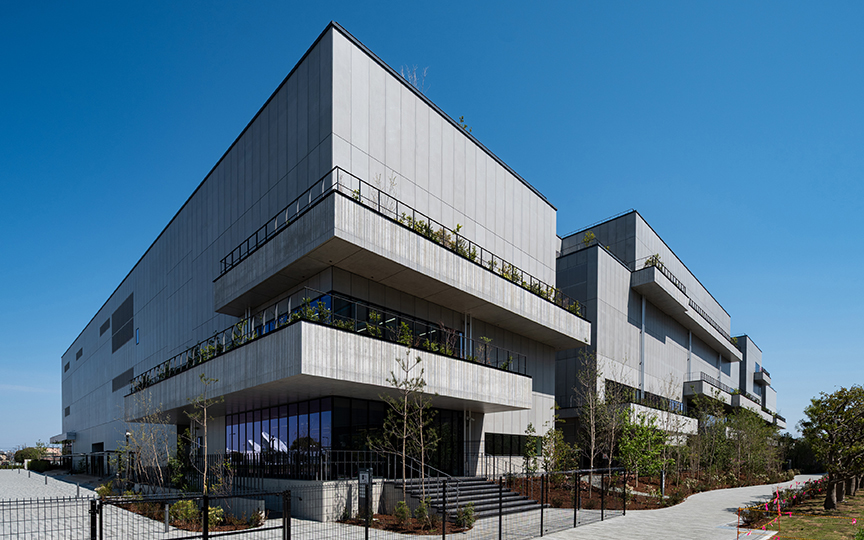
As a countermeasure to heat islands, the greening of parts of construction areas, such as rooftops and walls, is being promoted, primarily by the Ministry of Land, Infrastructure, Transport and Tourism. Despite being a good measure for producing cool spots, it will prove difficult in terms of using cubic capacity to the maximum.
In keeping, effective countermeasures to the heat island phenomenon are being explored, centering on the construction industry. With countermeasures being hastened, Nikken Sekkei is experimenting with progressive approaches to designing buildings that cool cities, with functions akin to those of trees and forests. Instead of cities becoming hotter the more that construction increases, what if they became cooler? Presented here, together with cases, is BIOSKIN: a technology that puts the brakes on the heat island phenomenon and which was inspired by the natural phenomenon of uchimizu [sprinkling water outside for cooling].



Construction: One Cause of the Heat Island Phenomenon
The more construction increases, the more the heat island phenomenon is stimulated. For this reason, the construction side must establish countermeasures to mitigate the heat island phenomenon.
The Concept for BIOSKIN: Rooted in a Seasonal Tradition of Japan
A key to the mechanism by which uchimizu reduces the temperature of the surroundings is the heat of vaporization phenomenon. The heat of vaporization refers to the heat absorbed by the surroundings when water evaporates. With uchimizu, the evaporation of water sprinkled on the ground drains the temperature of the surroundings, thus lowering the temperature. This phenomenon is similar to human perspiration, where the heat of vaporization curbs increases in body temperature.
Focusing on the heat of vaporization generated from the effects of uchimizu, Nikken Sekkei arrived at the idea of covering construction surfaces with devices that use said heat for cooling.
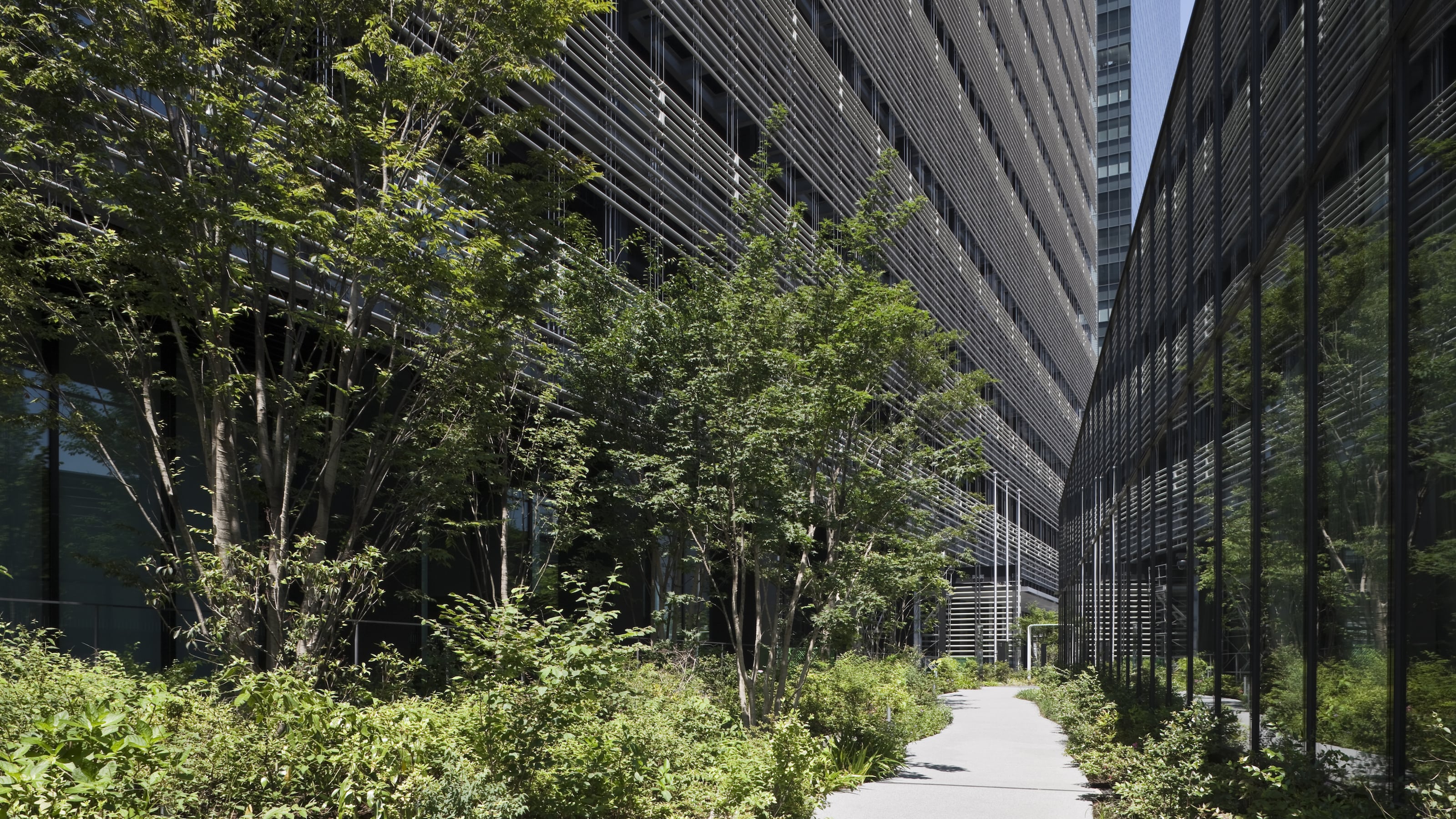
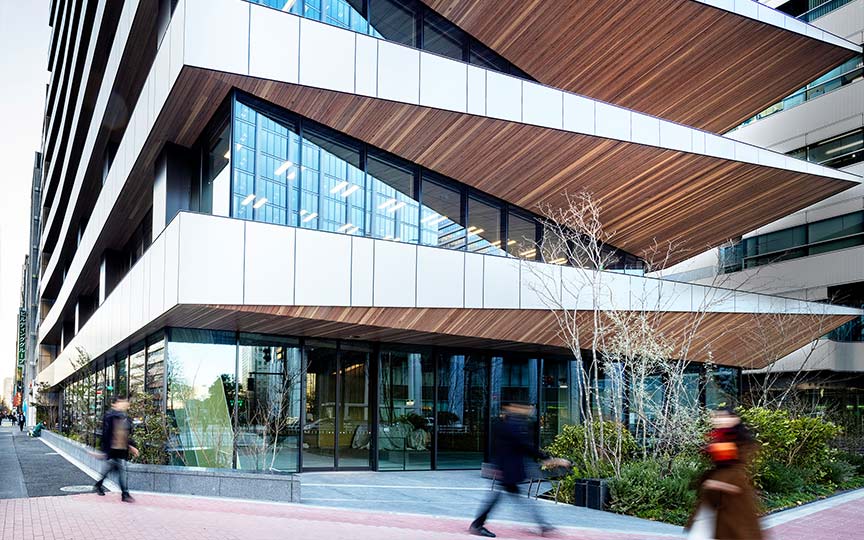
Case Study: The Use of BIOSKIN for the NBF Osaki Building
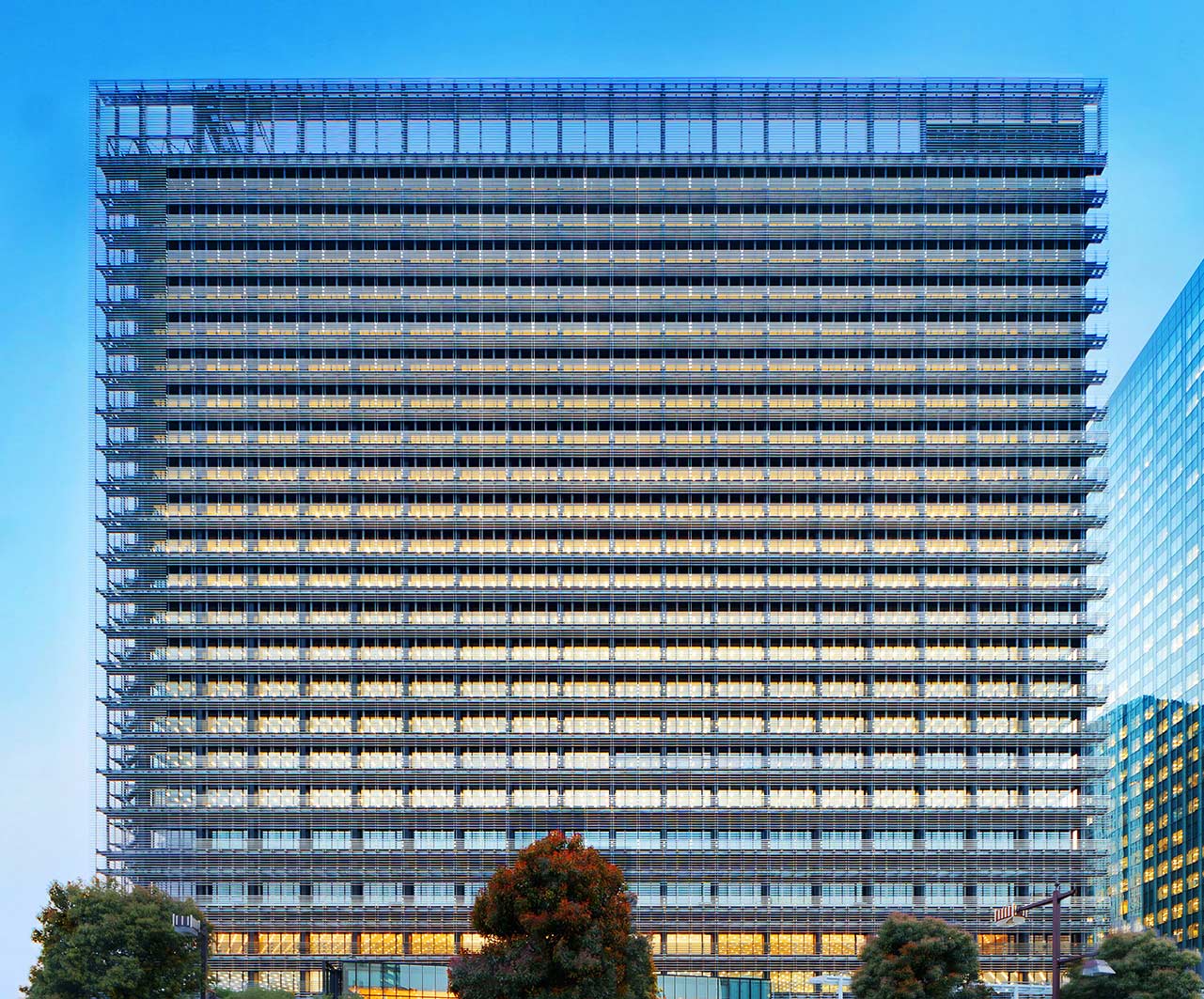
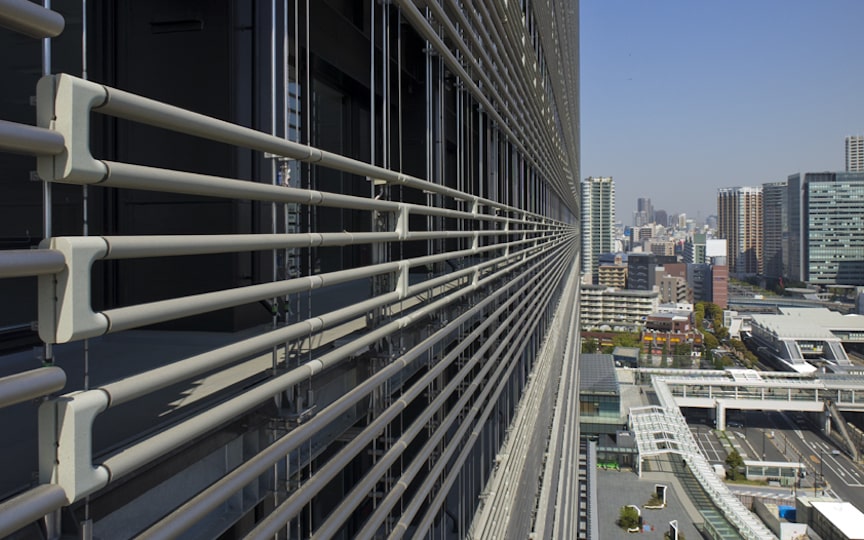
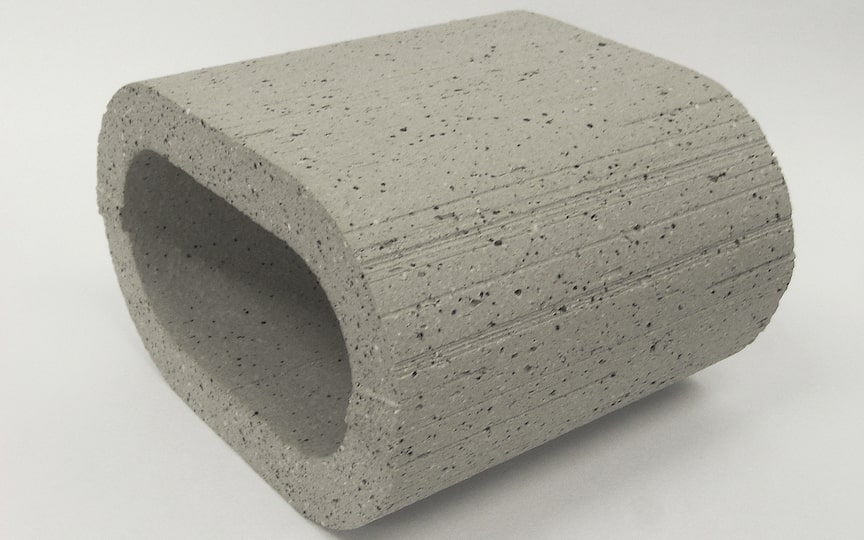
Other systems that use the heat of vaporization for cooling involve using dry mist or running water directly over glass surfaces, but water spattering is an issue with these systems. With BIOSKIN, water spattering is not a concern as water passes through pipes before seeping out. In addition, the resources for operating BIOSKIN are rainwater and solar energy. BIOSKIN is a mechanism that allows energy saving to be considered while nature’s bounty is received.
Effectiveness of BIOSKIN Proved in Experiments for Extremely Hot Days
What was surprising was the fact that bringing cool air in on the breeze lowered the ambient temperature by 2°C. It was confirmed that while suppressing the heat island phenomenon, BIOSKIN simultaneously leads to heat load reduction in indoor spaces. The BIOSKIN System started as an attempt to contribute to curbing both temperature rises in buildings themselves and the city heat island phenomenon; these experiments proved that it can also serve to create cool spots that have a positive effect on the surroundings.
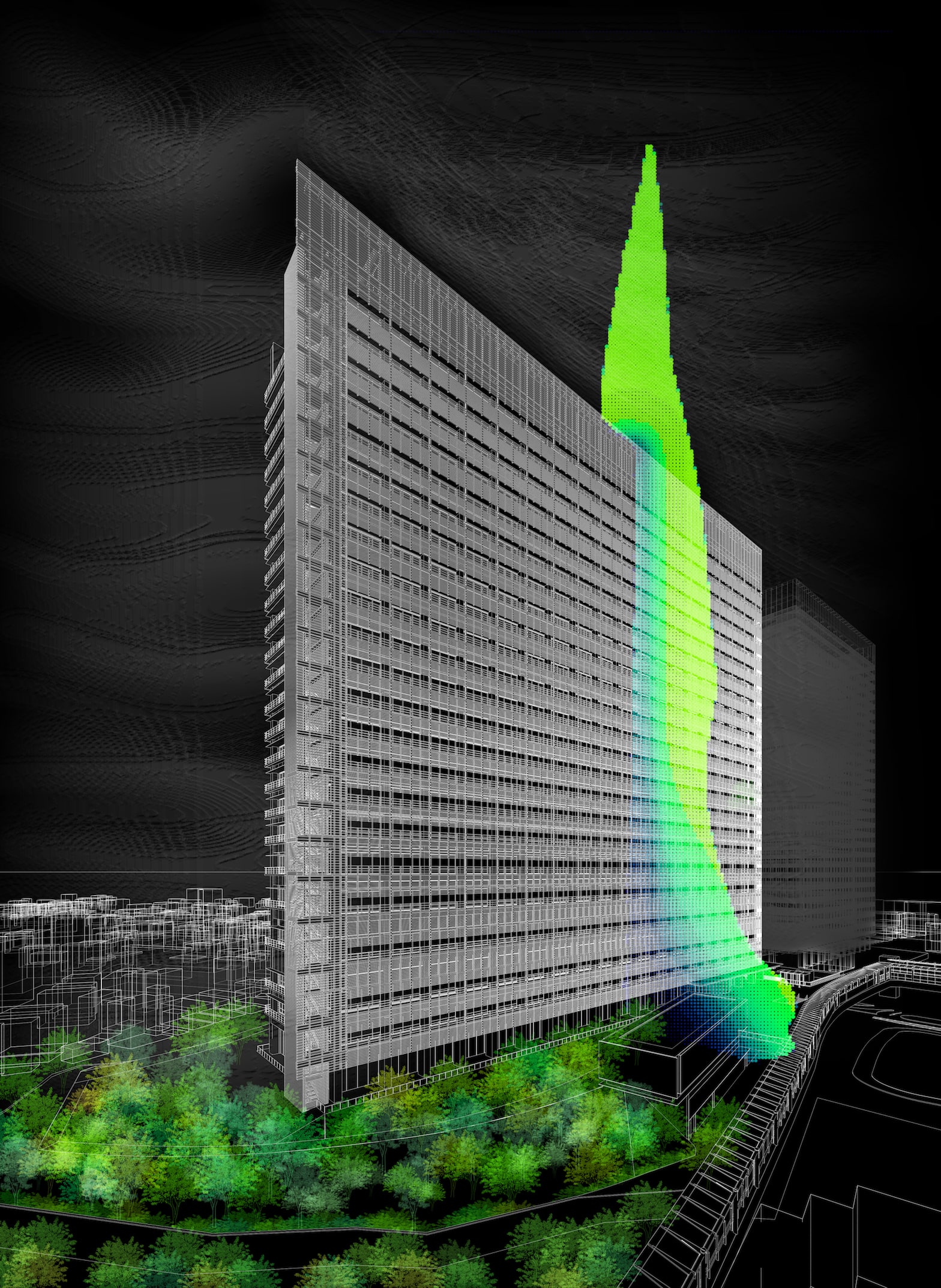
Transforming Factors in Heat Islands into Cool Spots
Although it can be said that the perpetrators of the heat island phenomenon are the people who build cities, the victims of the phenomenon are the people who live in them. The heat island phenomenon is causing cities to steadily become hotter. Because of this, every year 4,000 to 5,000 people are transported by ambulance and over 1,000 people die -- a grave situation.
Until now, greening has been used to mitigate the effects of construction on the heat island phenomenon. However, the advent of BIOSKIN presents a solution to the construction that is itself a factor in said phenomenon.
Buildings have been cited as a factor in the heat island phenomenon. By erecting them as if planting plants and equipping them with a system that works similarly to trees and forests, environments will improve. This paradigm shift is one of the great values of the BIOSKIN System.