

Aiming to Make Effective Use of Workspaces and Optimize Indoor Environments
Collaborative Development of a Sensor and Equipment Control Network System Utilizing a Cloud Platform
PRESS RELEASE
2020.04.08
Nikken Sekkei Ltd., Kyowa Exeo Co., Ltd., WHERE Co., Ltd., OMRON Corporation, and Kanda Tsushinki Co., Ltd. have agreed to jointly undertake initiatives aimed at developing, improving, and promoting a sensor and facility control network system that utilizes a cloud platform to achieve efficient use of workspaces and optimization of indoor environments, with the goal of advancing work-style reform and realizing a decarbonized society.They have already begun pilot testing of the sensor and network system in actual office settings. Moving forward, they plan to expand equipment control capabilities and integration with AI, and will conduct trials to verify energy-saving effects in real-world environments and explore applications for work-style reform.
Background and Objectives of Collaborative Innovation
Recently, with the domestic labor force projected to decline and that decline expected to accelerate, government-led initiatives—including efforts by individual companies to secure the workforce and improve productivity—have become an urgent priority as part of work-style reforms. Furthermore, as the rapid progression of global warming becomes increasingly apparent, decarbonization will become an even greater challenge for society as a whole.
Traditionally, building systems—such as air conditioning, lighting, security, disaster prevention, solar shading, and audiovisual equipment—have each installed their own sensors and been controlled independently of one another.In contrast, to operate building spaces more comfortably and efficiently—and to promote productivity improvements and decarbonization—it is necessary to develop systems that enable the overall optimization of the space. This collaborative initiative aims to achieve comprehensive, integrated optimization of building spaces from various perspectives through collaboration across fields such as networking, sensors, facility control, and architectural design.
Traditionally, building systems—such as air conditioning, lighting, security, disaster prevention, solar shading, and audiovisual equipment—have each installed their own sensors and been controlled independently of one another.In contrast, to operate building spaces more comfortably and efficiently—and to promote productivity improvements and decarbonization—it is necessary to develop systems that enable the overall optimization of the space. This collaborative initiative aims to achieve comprehensive, integrated optimization of building spaces from various perspectives through collaboration across fields such as networking, sensors, facility control, and architectural design.
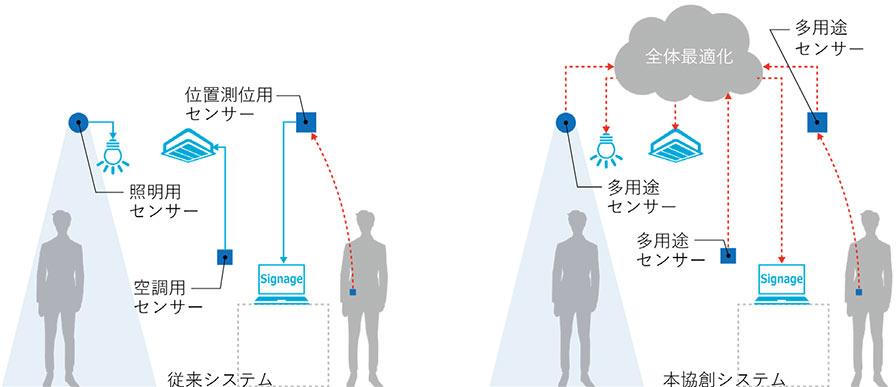 Figure 1: Schematic of the Conventional System and the Collaborative Innovation System
System Concept
The system concept for this collaborative innovation is based on (1) digital twins and (2) open standards.
① A digital twin (a real-time, synchronized representation of real-world objects or events in cyberspace) analyzes real-world information collected by sensors in cyberspace, enabling feedback to control the real world.
② APIs (Application Programming Interfaces), which are one type of open standard—enabling the sharing of functions with software developed by third parties by exposing parts of software or applications to the outside world—facilitate interconnectivity and interoperability.
Based on these concepts, we aim to build a dedicated sensing network within the building, upload data from multiple sensors to a cloud platform, mash up that data, perform comprehensive analysis to identify the optimal overall solution, and establish a facility control network system capable of providing feedback to facility control systems.
Furthermore, by promoting the use of multi-vendor sensors and equipment, we aim to build a system that is easy to expand and update and will not become obsolete. At the same time, building owners and users themselves will be able to utilize the uploaded and mashed-up data to improve workspaces and support worker activities.
This system will serve as the starting point for open collaboration between sensing and control using cloud platforms, which are expected to become increasingly widespread in the future.
① A digital twin (a real-time, synchronized representation of real-world objects or events in cyberspace) analyzes real-world information collected by sensors in cyberspace, enabling feedback to control the real world.
② APIs (Application Programming Interfaces), which are one type of open standard—enabling the sharing of functions with software developed by third parties by exposing parts of software or applications to the outside world—facilitate interconnectivity and interoperability.
Based on these concepts, we aim to build a dedicated sensing network within the building, upload data from multiple sensors to a cloud platform, mash up that data, perform comprehensive analysis to identify the optimal overall solution, and establish a facility control network system capable of providing feedback to facility control systems.
Furthermore, by promoting the use of multi-vendor sensors and equipment, we aim to build a system that is easy to expand and update and will not become obsolete. At the same time, building owners and users themselves will be able to utilize the uploaded and mashed-up data to improve workspaces and support worker activities.
This system will serve as the starting point for open collaboration between sensing and control using cloud platforms, which are expected to become increasingly widespread in the future.
Core Technologies and the Roles of Each Company
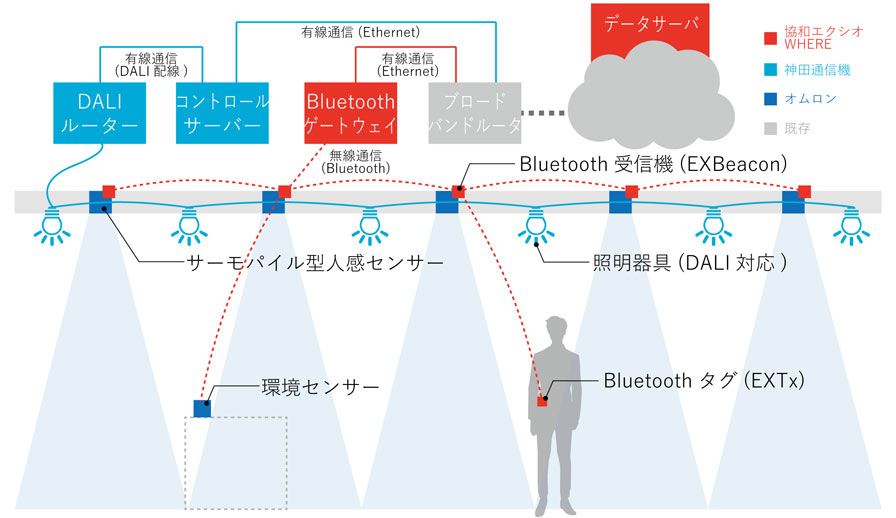 Figure 2: Conceptual Diagram of the Integration of Core Technologies
 You can scroll horizontally.
| Core Technologies | Company Name | Roles in This Joint Development Project |
| ① Cloud Platform Bluetooth Sensor Network Bluetooth Tags |
Kyowa Exio WHERE |
Providing IoT networks using Bluetooth-based mesh networks, as well as cloud services such as location tracking, data visualization, and analysis |
| ② Thermopile-type motion sensor Environmental Sensor |
Omron | Acquiring data from sensors measuring presence/absence, number of people, radiant temperature, temperature and humidity, illuminance, noise, atmospheric pressure, and other parameters |
| ③ Lighting Control | Kanda Communications Equipment | DALI control, which uses an open protocol and allows brightness and illumination areas to be adjusted on a per-luminaire basis |
| ④ Overall Integration and Application to Architecture and the Workplace | Nikken Sekkei Ltd | Leading the Overall Integration Through the Synergy of Core Technologies, and Devising Methods for Their Application and Adoption in Architecture and the Workplace |
In the next development phase, we will strengthen control integration with HVAC, security, disaster prevention, solar shading, and audiovisual systems, and aim to further expand collaborative innovation to realize a healthy and intellectually productive workplace powered by AI.
Fields for Development and Demonstration Testing
We have installed sensors, a network, a cloud platform, and lighting control systems at an office in Tokyo (covering an area of 1,000 square meters) and have already begun operations there. Using this field site, we will explore ways to expand the integration of facility controls and optimize the placement of different types of sensors. By doing so, we aim to further advance control integration, identify areas for improvement through demonstration experiments, and conduct research and development with the goal of promoting widespread adoption.
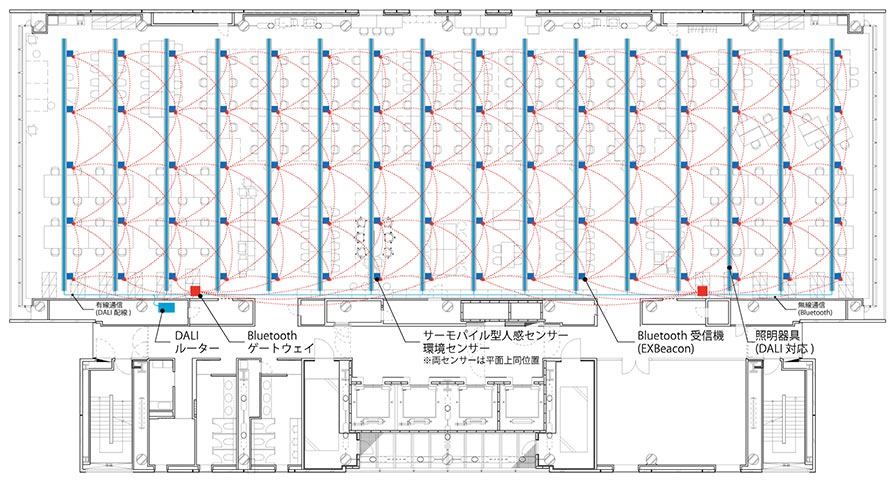 Figure 3: Conceptual Diagram of the Development and Demonstration Test Site
Examples of Use and Expected Benefits
In any space where people are present and equipment is being controlled, this system can quantify the locations and usage patterns of people and objects, as well as indoor environmental conditions, enabling precise control tailored to these factors. As a result, the system can contribute to a wide range of building applications, including offices, schools, hospitals, and factories.It is considered particularly effective for use in workplaces and contributes to work-style reform and the realization of a decarbonized society through the following two points:
① Continuous improvement of the workplace through monitoring of space utilization and indoor environmental conditions
② High-precision, real-time control based on space usage and indoor environmental conditions
Private Activity-Based Working (ABW), a work style in which employees actively choose where to work based on their current situation (such as work tasks or physical condition), is gaining attention. By optimizing high-concentration tasks (Private) and communication, this approach is expected to improve productivity and health. Additionally, eliminating fixed workstations enhances office efficiency, thereby simultaneously promoting energy conservation and decarbonization.This system provides robust support for this work style. By quantifying the location and usage status of people and objects, as well as indoor environmental conditions, it enables continuous improvement in spatial and production efficiency, while also allowing for precise facility control based on usage patterns and indoor environmental conditions.
Based on collaborative pilot tests, the five companies will contribute to work-style reform and the realization of a decarbonized society through the development, adoption, and refinement of this system.
① Continuous improvement of the workplace through monitoring of space utilization and indoor environmental conditions
② High-precision, real-time control based on space usage and indoor environmental conditions
Private Activity-Based Working (ABW), a work style in which employees actively choose where to work based on their current situation (such as work tasks or physical condition), is gaining attention. By optimizing high-concentration tasks (Private) and communication, this approach is expected to improve productivity and health. Additionally, eliminating fixed workstations enhances office efficiency, thereby simultaneously promoting energy conservation and decarbonization.This system provides robust support for this work style. By quantifying the location and usage status of people and objects, as well as indoor environmental conditions, it enables continuous improvement in spatial and production efficiency, while also allowing for precise facility control based on usage patterns and indoor environmental conditions.
Based on collaborative pilot tests, the five companies will contribute to work-style reform and the realization of a decarbonized society through the development, adoption, and refinement of this system.
Company Profiles and Contact Information
株式会社日建設計
本社:東京都千代田区、社長:亀井忠夫、WEBサイト:https://www.nikken.co.jp/ja/
問い合わせ:広報室 03-5226-3030(代表) /webmaster@nikken.jp
株式会社協和エクシオ
本社:東京都渋谷区、社長:舩橋哲也、WEBサイト:http://www.exeo.co.jp/
問い合わせ:CSR・広報室 03-5778-1075(直通)/koho@hqs.exeo.co.jp
株式会社WHERE
本社:東京都千代田区、代表取締役:丸田一、WEBサイト:https://where123.jp/
問い合わせ:経営企画本部 03-6261-5722(代表) / info@where123.jp
オムロン株式会社
本社:京都府京都市、代表取締役社長 CEO:山田義仁、WEBサイト:https://www.omron.co.jp/
問い合わせ:ブランドコミュニケーション部 木村 075-344-7175(直通)
神田通信機株式会社
本社:東京都千代田区、社長:神部雅人、WEBサイト:http://www.kandt.co.jp/
問い合わせ:総務部 03-3252-7731(代表)
本社:東京都千代田区、社長:亀井忠夫、WEBサイト:https://www.nikken.co.jp/ja/
問い合わせ:広報室 03-5226-3030(代表) /webmaster@nikken.jp
株式会社協和エクシオ
本社:東京都渋谷区、社長:舩橋哲也、WEBサイト:http://www.exeo.co.jp/
問い合わせ:CSR・広報室 03-5778-1075(直通)/koho@hqs.exeo.co.jp
株式会社WHERE
本社:東京都千代田区、代表取締役:丸田一、WEBサイト:https://where123.jp/
問い合わせ:経営企画本部 03-6261-5722(代表) / info@where123.jp
オムロン株式会社
本社:京都府京都市、代表取締役社長 CEO:山田義仁、WEBサイト:https://www.omron.co.jp/
問い合わせ:ブランドコミュニケーション部 木村 075-344-7175(直通)
神田通信機株式会社
本社:東京都千代田区、社長:神部雅人、WEBサイト:http://www.kandt.co.jp/
問い合わせ:総務部 03-3252-7731(代表)
SHARE