

Collaborative Development of a Sensor and Equipment Control Network System Utilizing a Cloud Platform
~Launching Verification of Integrated Lighting and HVAC Control and AI Applications~
PRESS RELEASE
2021.03.10
Nikken Sekkei Ltd., Kyowa Exeo Co., Ltd., WHERE Co., Ltd., OMRON Corporation, Kanda Tsushinki Co., Ltd., and X1Studio Co., Ltd. have begun testing the integration of a “sensor and facility control network system utilizing a cloud platform” with building systems (lighting and HVAC) control, as well as the use of AI, with the aim of promoting the effective use of workspaces and optimizing indoor environments.As part of the ongoing efforts by the five companies (Nikken Sekkei Ltd., Kyowa Exeo Co., Ltd., WHERE Co., Ltd., OMRON Corporation, and Kanda Tsushinki Co., Ltd.), operations for integrated lighting control have begun in the actual office where the sensor network system—serving as the demonstration site—was established.Furthermore, with the addition of X1Studio Co., Ltd., the consortium has also begun verifying air conditioning control via a cloud-based BAS*1 (Building Automation System) and the use of AI in the cloud, aiming to demonstrate air conditioning control integration and advance sensor data and control logic through AI.Based on these collaborative demonstration experiments, the six companies will contribute to the accelerating work-style reforms and the realization of a carbon-neutral society through the development, widespread adoption, and improvement of this system.
The Accelerating Transformation of Work Styles
While remote work has become widespread in the wake of the COVID-19 pandemic, there has also been a renewed appreciation for the importance of face-to-face conversations, leading to a reevaluation of the significance of working together in person and the role of the office.As dedicated (fixed) workstations in offices are reduced and replaced with diverse workspaces, Activity-Based Working (ABW)—a work style in which employees actively choose where to work based on their Private—is expected to gain traction at an accelerating pace.
In offices that implement ABW, it is crucial to balance the supply and demand for space—ensuring that no space goes unused or becomes insufficient—by providing spaces tailored to specific purposes, such as concentration or communication.In response to these needs, this system quantifies the location of people and objects, space utilization status, and indoor environmental conditions to enhance space utilization efficiency. By enabling the selection of indoor environments best suited for specific tasks, it continuously improves intellectual productivity. Furthermore, it enables precise control of facilities based on usage patterns and worker requests.
In offices that implement ABW, it is crucial to balance the supply and demand for space—ensuring that no space goes unused or becomes insufficient—by providing spaces tailored to specific purposes, such as concentration or communication.In response to these needs, this system quantifies the location of people and objects, space utilization status, and indoor environmental conditions to enhance space utilization efficiency. By enabling the selection of indoor environments best suited for specific tasks, it continuously improves intellectual productivity. Furthermore, it enables precise control of facilities based on usage patterns and worker requests.
Core Technologies and the Roles of Each Company
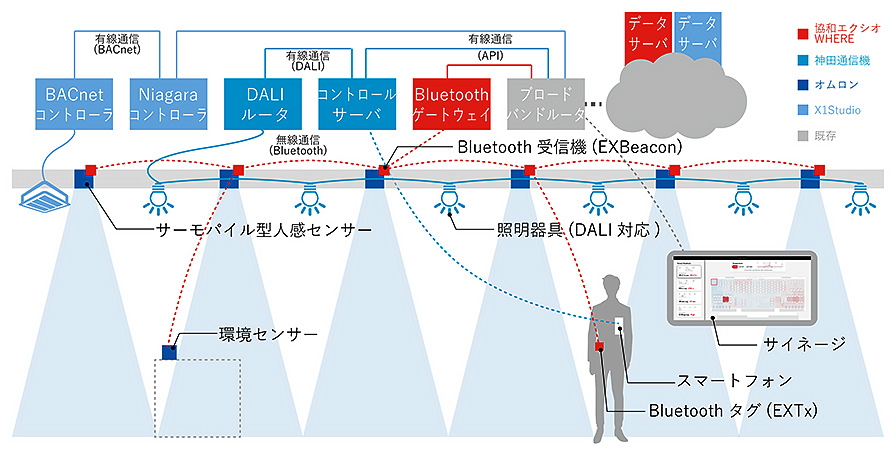 Figure 1: Conceptual Diagram of the Integration of Core Technologies
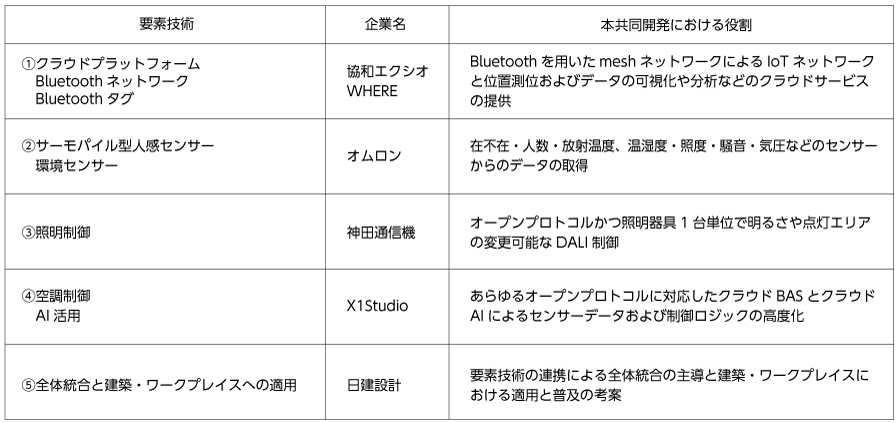 Table 1: Core Technologies and the Roles of Each Company
Going forward, we aim to further expand our collaborative efforts to create healthy, intellectually productive workplaces by strengthening control integration with a wider range of building systems (security, disaster prevention, solar shading, and audiovisual systems), connecting with BIM*2 (Building Information Model), and further leveraging AI.
Lighting Control
In this verification, we utilized thermopile-type motion sensors and location data from BLE tags in conjunction with DALI control to precisely track people’s locations and implement adaptive lighting control.
The challenges with conventional lighting control technology were that pyroelectric infrared sensors could not accurately determine a person’s position and could not detect stationary individuals.In contrast, this system employs lighting control units measuring approximately 3,600 × 3,600 mm that determine presence, absence, and passage; gradient control that sets adjacent control units to 50% output; and personal control via smartphone limited solely to the operator’s occupied area.
*Operations began on September 1, 2020, with limited application scope in an actual office where a sensor network system—serving as the demonstration site—had been established.
The challenges with conventional lighting control technology were that pyroelectric infrared sensors could not accurately determine a person’s position and could not detect stationary individuals.In contrast, this system employs lighting control units measuring approximately 3,600 × 3,600 mm that determine presence, absence, and passage; gradient control that sets adjacent control units to 50% output; and personal control via smartphone limited solely to the operator’s occupied area.
*Operations began on September 1, 2020, with limited application scope in an actual office where a sensor network system—serving as the demonstration site—had been established.
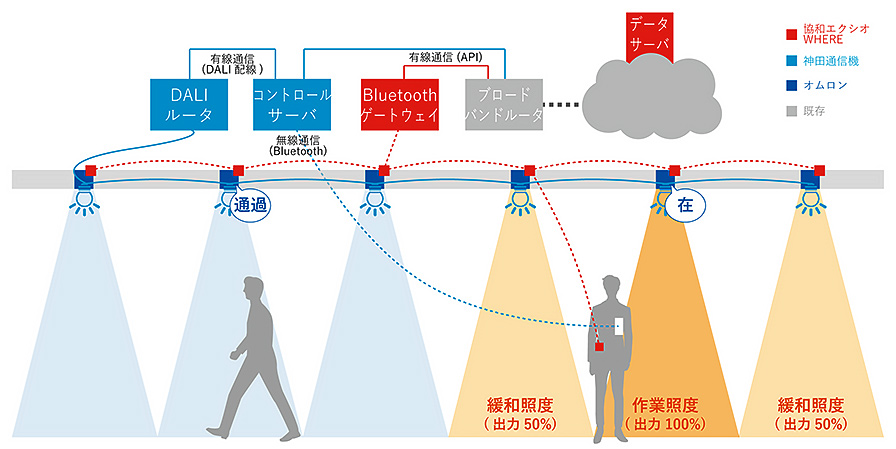 Figure 2: Conceptual Diagram of System Integration in Lighting Control
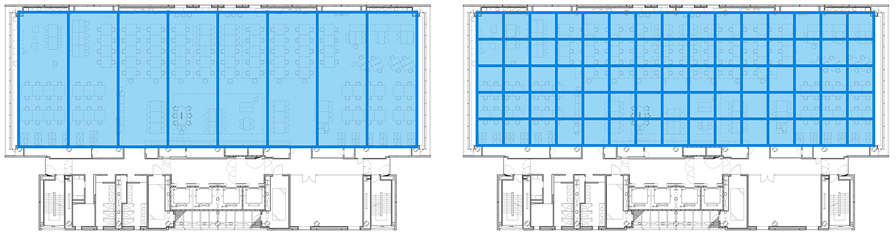 Figure 3: Lighting Control Unit (Left: Before; Right: After)
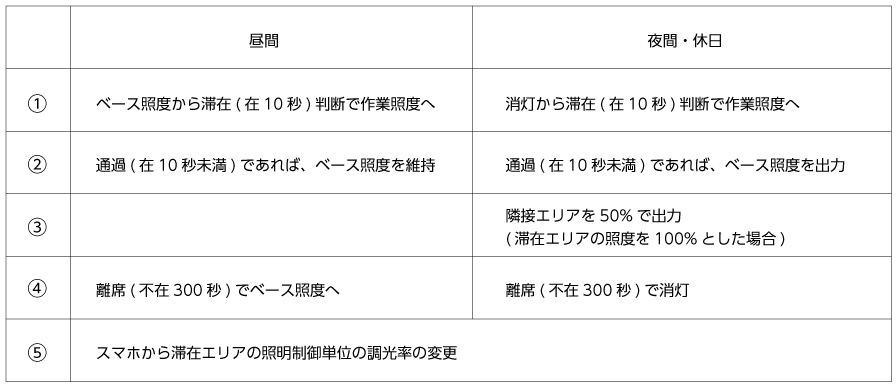 Table 2: Lighting Control Logic
Air Conditioning Control and the Use of AI
We will connect the sensor and equipment control network to a cloud-based building automation system (BAS) and conduct a trial of HVAC control using the cloud BAS. In the lighting control system described earlier, the hardware responsible for control was installed within the building; however, in this development, the control software is hosted in the cloud. The novelty of this approach lies in the fact that not only the database but also the control logic is accessible in the cloud. Furthermore, we will experiment with utilizing AI in the cloud to advance sensor data and control logic.
 Figure 4: Conceptual Diagram of System Integration in Air Conditioning Control
*1 BAS: A building management system that centrally manages the monitoring and operational control of building systems such as power reception and transformation, HVAC, water supply and drainage, lighting, and fire protection.
*2 BIM: A building database that incorporates information such as building geometry, spatial relationships, geographic information, and the quantities and characteristics of building components into a 3D model created on a computer. It can also refer to the workflow itself for managing and utilizing that database in all phases of a building’s lifecycle, from design and construction through maintenance and management.
*2 BIM: A building database that incorporates information such as building geometry, spatial relationships, geographic information, and the quantities and characteristics of building components into a 3D model created on a computer. It can also refer to the workflow itself for managing and utilizing that database in all phases of a building’s lifecycle, from design and construction through maintenance and management.
Company Profiles and Contact Information
株式会社日建設計
本社:東京都千代田区、社長:大松敦、WEBサイト:https://www.nikken.co.jp/ja/
問い合わせ:広報室 03-5226-3030(代表) / webmaster@nikken.jp
株式会社協和エクシオ
本社:東京都渋谷区、社長:舩橋哲也、WEBサイト:https://www.exeo.co.jp/
問い合わせ:CSR・広報室 03-5778-1075(直通) / koho@hqs.exeo.co.jp
株式会社WHERE
本社:東京都千代田区、代表取締役:丸田一、WEBサイト:https://where123.jp/
問い合わせ:経営企画本部 03-6261-5722(代表) / info@where123.jp
オムロン株式会社
本社:京都府京都市、代表取締役社長 CEO:山田義仁、WEBサイト:https://www.omron.co.jp/
問い合わせ:ブランドコミュニケーション部 075-344-7175(直通)
神田通信機株式会社
本社:東京都千代田区、社長:神部雅人、WEBサイト:http://www.kandt.co.jp/
問い合わせ:総務部 03-3252-7731(代表)
X1Studio株式会社
本社:東京都港区、代表取締役:ウィリアム・アチュリ、WEBサイト:https://x1studio.co.jp/
問い合わせ: 03-4545-2165(代表) / x1s.info@x1studio.co.jp
本社:東京都千代田区、社長:大松敦、WEBサイト:https://www.nikken.co.jp/ja/
問い合わせ:広報室 03-5226-3030(代表) / webmaster@nikken.jp
株式会社協和エクシオ
本社:東京都渋谷区、社長:舩橋哲也、WEBサイト:https://www.exeo.co.jp/
問い合わせ:CSR・広報室 03-5778-1075(直通) / koho@hqs.exeo.co.jp
株式会社WHERE
本社:東京都千代田区、代表取締役:丸田一、WEBサイト:https://where123.jp/
問い合わせ:経営企画本部 03-6261-5722(代表) / info@where123.jp
オムロン株式会社
本社:京都府京都市、代表取締役社長 CEO:山田義仁、WEBサイト:https://www.omron.co.jp/
問い合わせ:ブランドコミュニケーション部 075-344-7175(直通)
神田通信機株式会社
本社:東京都千代田区、社長:神部雅人、WEBサイト:http://www.kandt.co.jp/
問い合わせ:総務部 03-3252-7731(代表)
X1Studio株式会社
本社:東京都港区、代表取締役:ウィリアム・アチュリ、WEBサイト:https://x1studio.co.jp/
問い合わせ: 03-4545-2165(代表) / x1s.info@x1studio.co.jp
SHARE