
Towards a new society brought about by the coronavirus
Let's shift gears towards achieving a sustainable global environment.

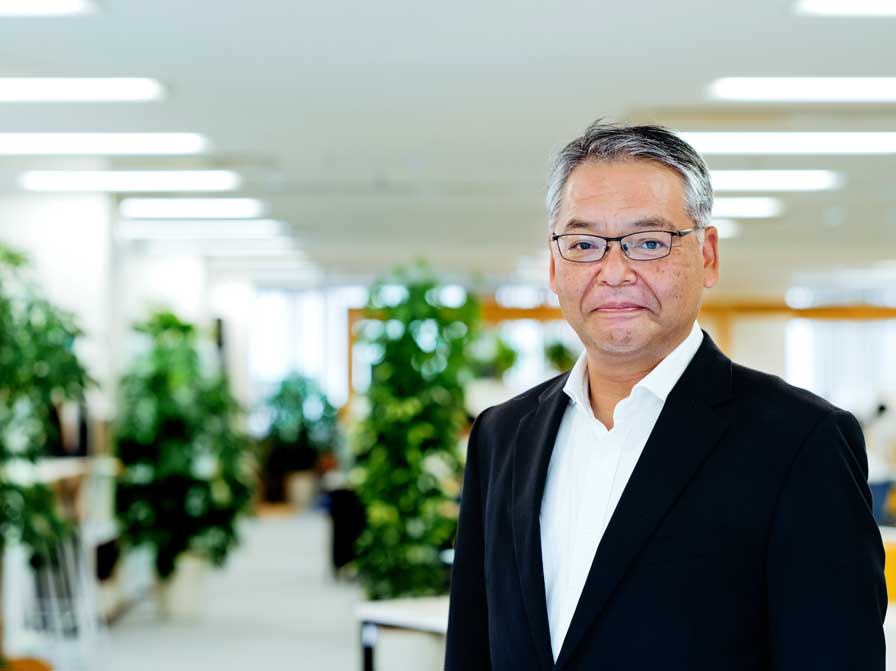
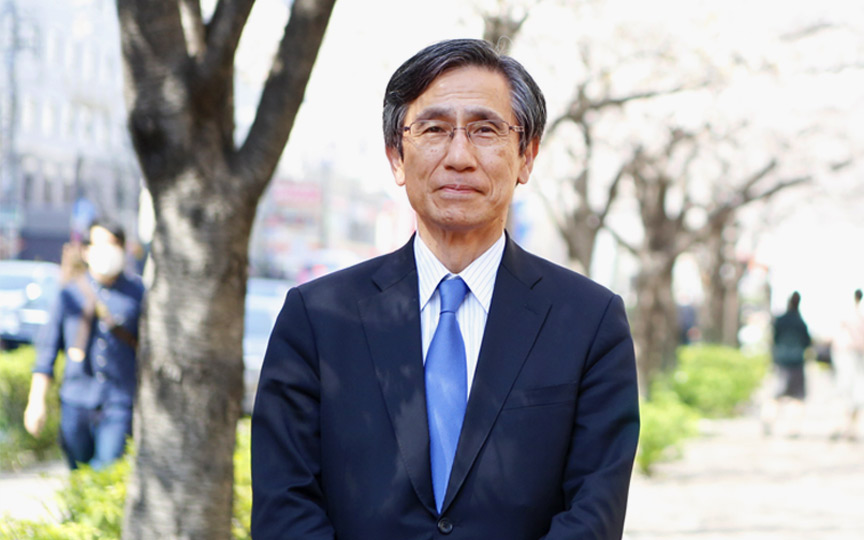
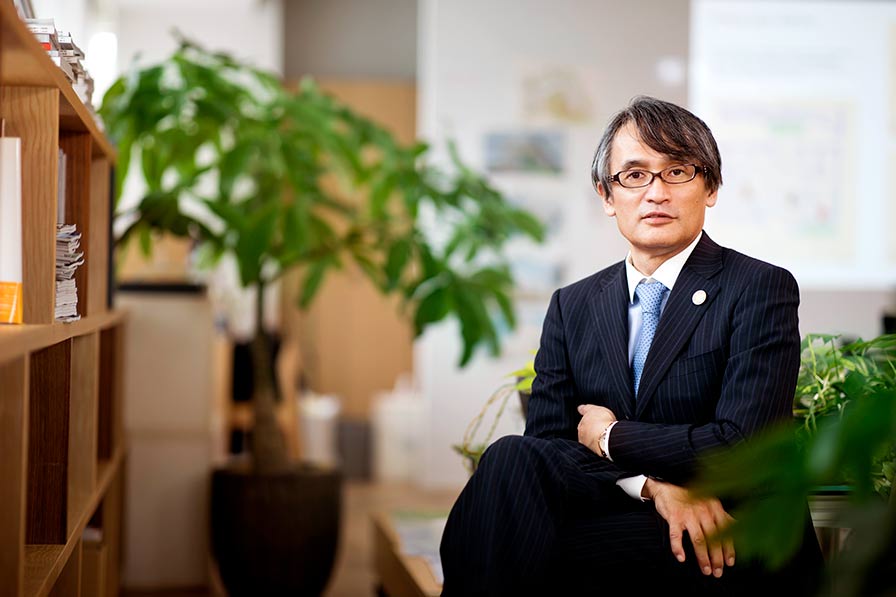
President and CEO of Nikken Sekkei Construction Management
Kazunori Mizuno
(Position as of the time of publication)

SCROLL DOWN

The world has shared the global challenge of the COVID-19 pandemic. However, the COVID-19 response measures, which have primarily led to social isolation and isolation at various levels, are having a greater impact on society than the direct damage caused by the pandemic itself. One wrong move could lead to social division, accelerated widening of inequality, and delays in climate change countermeasures. Therefore, in this post-COVID era, we must strive to balance COVID-19 response with addressing global challenges, including the SDGs.

President and CEO of Nikken Sekkei Construction Management Kazunori Mizuno President and CEO of Nikken Sekkei Construction Management
(Positions are as of the time of publication.)

Is "social distancing" incorrect?

For the past six months or so, the term “social distancing” has been widely used, but according to cultural anthropologist E. Hall, this term originally “refers to the distance within which animals protect their young” (from *The Hidden Dimension*, published in 1970). Put simply, it refers to the distance within sight when caring for children.While maintaining distance Private is intended to be an effective measure for preventing COVID-19 transmission, it cannot be denied that this term carries the risk of literally creating “social division.”
Private Starting with people staying home, the fragmentation of communities and nations is becoming a long-term phenomenon. While we are attempting to compensate for this with various remote measures utilizing IT, I believe their limitations are becoming apparent. Incidentally, the WHO has been recommending the term “physical distance” since this spring.

Can viruses never be eradicated?
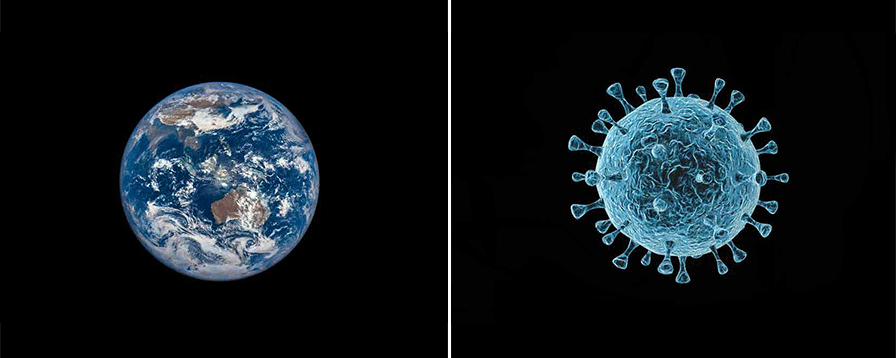
Regarding the SARS-CoV-2 virus that causes the current COVID-19 infection, biologist Shinichi Fukuoka says that "it is impossible to eradicate it." He explains, "This is because viruses originate from living organisms themselves and escape from their bodies. Unlike the vertical transmission of genes from parent to offspring, viruses maintain the dynamic equilibrium of the entire living system by horizontally transmitting genes from outside across species. Just as humans, as living organisms, cannot escape death, those who have been saved now by vaccines and medical treatment will eventually die, and SARS-CoV-2 will eventually cease to be a novel virus and become an endemic cold virus" (from "Talking About the Post-Corona World," published in 2020).

Earth and the Coronavirus | (Left) ©NASA Earth and the Coronavirus | (Left) ©NASA

Given this background, what should we be doing now?

If, as Mr. Fukuoka says, "viruses are a movement that maintains the dynamic equilibrium of living systems and a manifestation of physis (the Greek philosophical concept of nature being beyond human control)," then shouldn't the first thing we should do be to curb selfish activities and promote altruistic activities?
Our selfish human activities are jeopardizing the sustainability of society, the environment, and the planet. This current pandemic can also be seen as a wake-up call from physis to human selfishness. The world is moving towards the SDGs, which are altruistic goals, and I believe that now, while we share the common challenge of the COVID-19 pandemic, we should promote activities toward a sustainable global environment, which is another shared challenge.
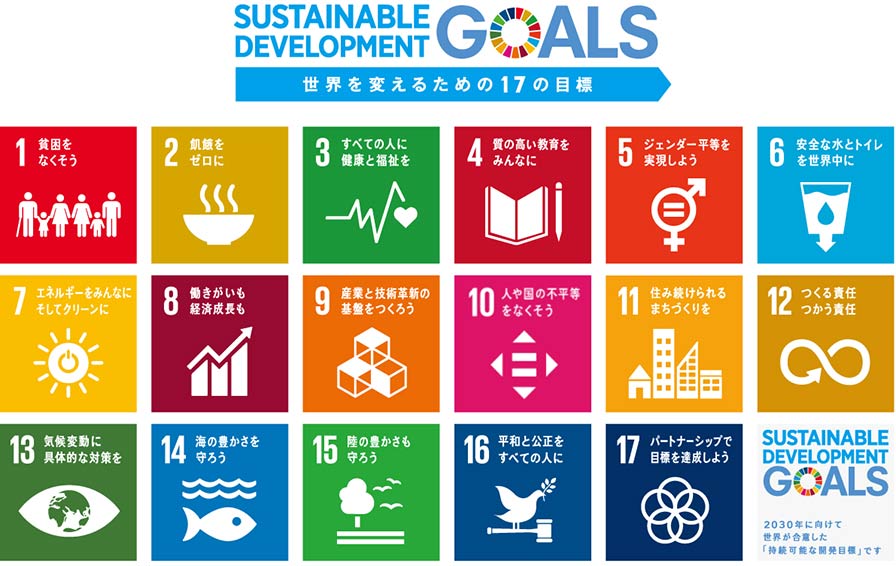
The 17 Sustainable Development Goals (SDGs) The 17 Sustainable Development Goals (SDGs)

From "three-way win" to "four-way win"

There is a saying by the Omi merchants, "Sanpo Yoshi" (three-way satisfaction). This principle, which emphasized "good for the buyer, good for the seller, and good for society," was crucial for gaining trust as a merchant. While it cautioned against human selfishness, upon reflection, all three aspects are ultimately "good" for humanity. We must add the "other" element—the Earth—to make it "Yoshin" (four-way satisfaction).
The Nikken Group aims for a "sustainable urban environment." In all aspects—including the formation of physical spaces through physical and social distancing, environmental formation including energy, utilization of materials and resources, and the formation of society through human connections—we must "broaden our scope even further and strive towards achieving a 'sustainable global environment'." The COVID-19 pandemic has served as a warning that "we must provide solutions and manage them to achieve this." (October 2, 2020)

From "three-way win" to "four-way win" From "three-way win" to "four-way win"
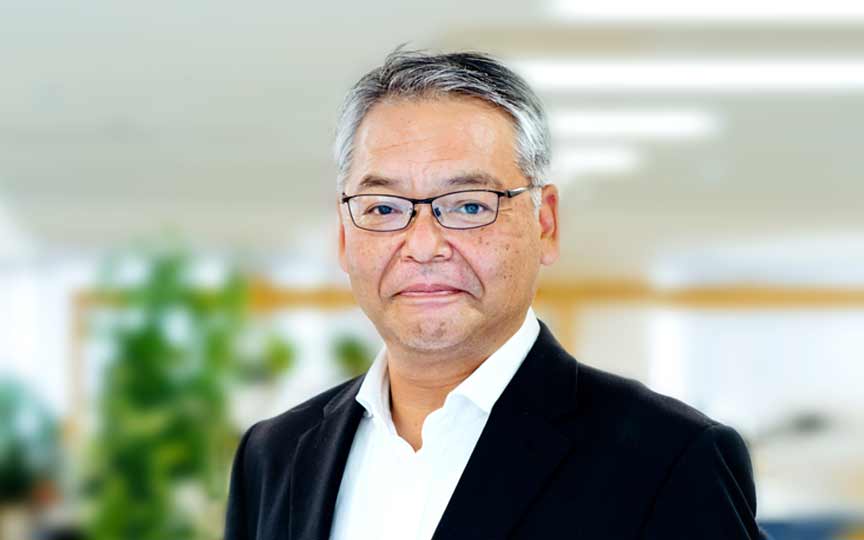
* "Beyond Covid-19: Society, Cities, and Architecture" is a series. Going forward, architects, planners, engineers, consultants, and others will regularly share their visions from their respective professional perspectives.

Kazunori Mizuno

President and CEO of Nikken Sekkei Construction Management

1984: Joined Nikken Sekkei. Specializes in architectural design.
He was primarily engaged in the design and management of branch offices and headquarters buildings for financial institutions. After working in Nikken Sekkei’s Value Management Division, he moved to Nikken Sekkei Construction Management Co., Ltd. In 2014, he was appointed Representative Director President and CEO of the company.

This site uses cookies. By continuing to use this website, you consent to the use of cookies.Our policy.