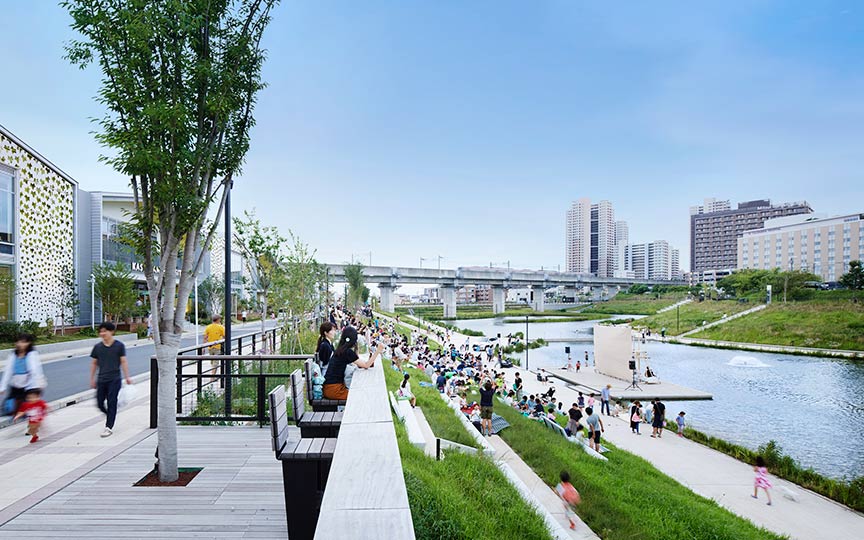

Construction coordination and public relations activities by "Team Shibuya," a group of nine businesses [Part 2]
SCROLL DOWN
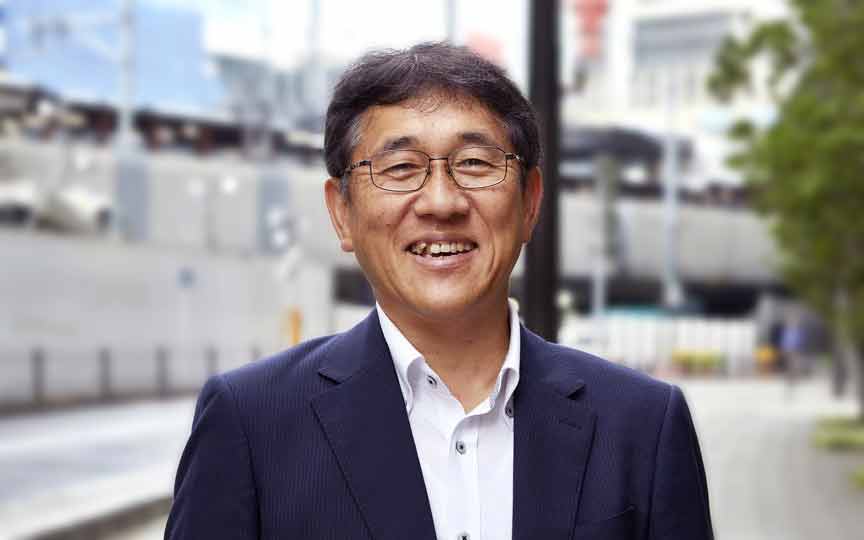
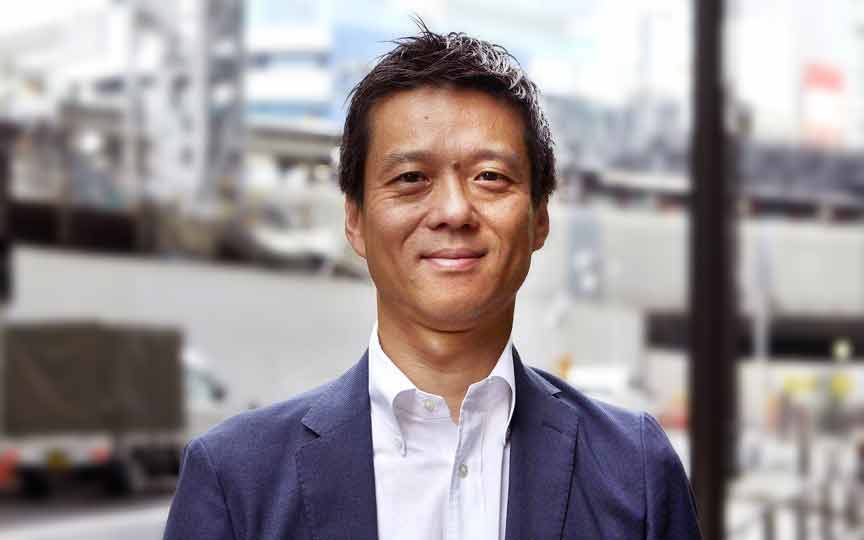
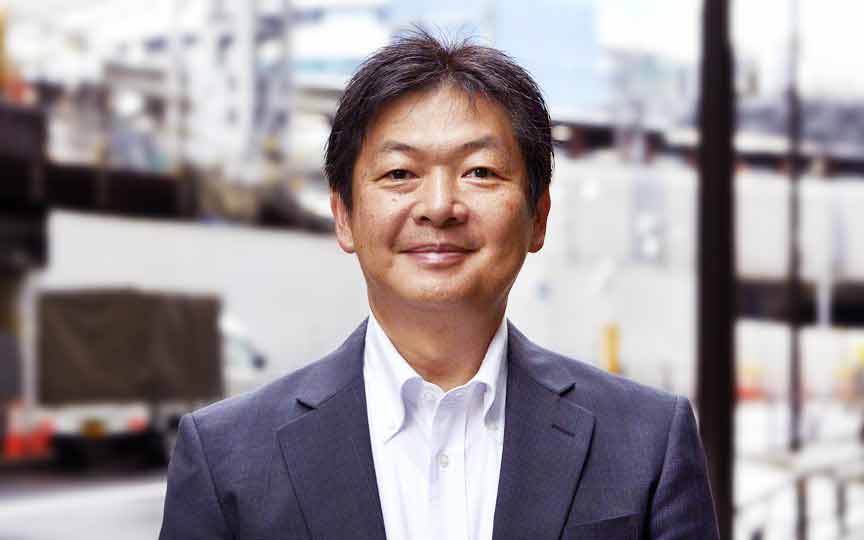
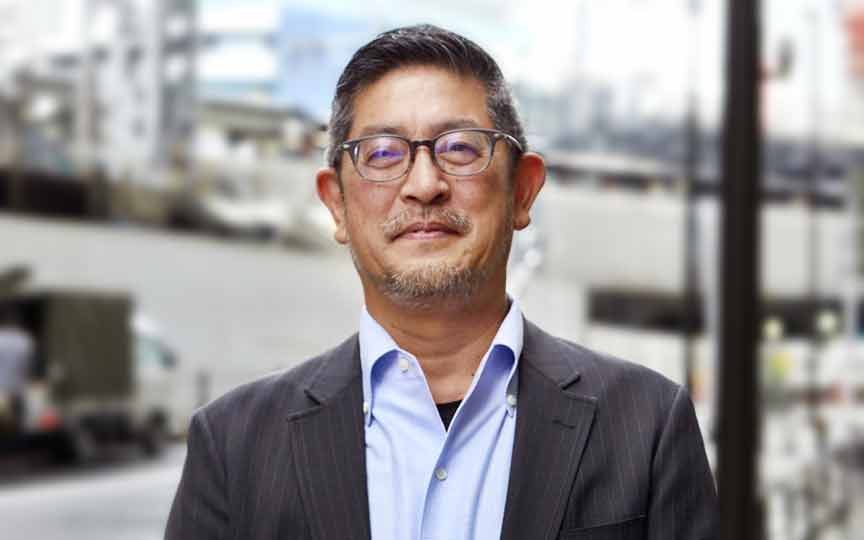
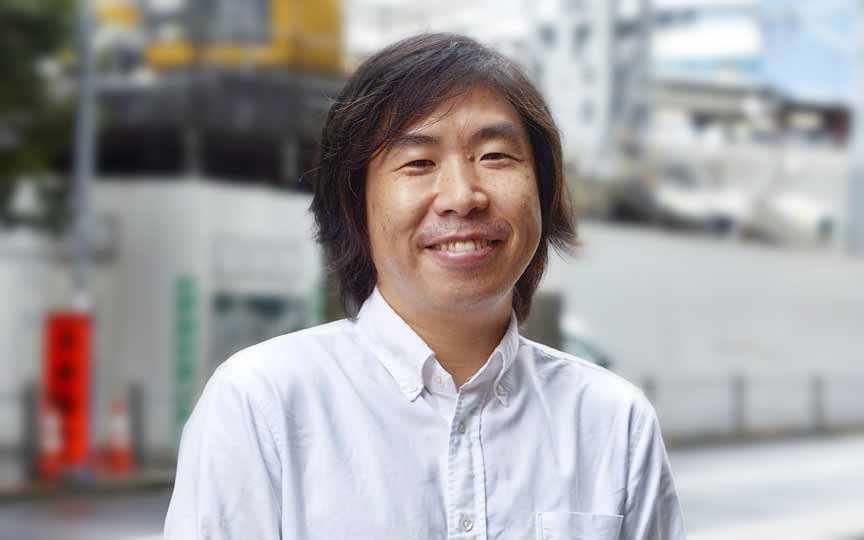
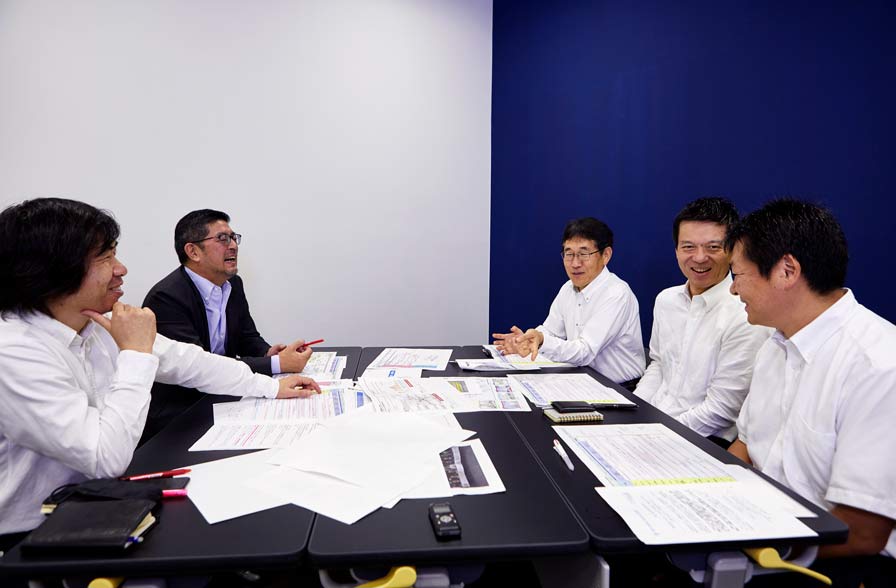
渋谷駅中心地区の再開発工事が本格的に動き出したのは、渋谷ヒカリエが開業した2012年のこと。その翌年、長期的な視野で工事・工程の調整を行う「渋谷駅中心地区工事・工程協議会(通称:CM会議)」がスタートした。集ったのは、まさに“チーム渋谷”といえる、鉄道各社や開発事業者など9つの事業者。今回は、そのメンバーである東日本旅客鉄道株式会社(JR東日本)の有川貞久さん(現:新宿南エネルギーサービス株式会社)、東京地下鉄株式会社(東京メトロ)の白子慎介さん、東急株式会社(東急)の森正宏さん、また株式会社日建設計とともにCM会議の立ち上げと運営に携わったパシフィックコンサルタンツ株式会社の小脇立二さんを招いて、再開発工事のこれまでとこれから、そして“チーム渋谷”が果たした役割について語り合った。ファシリテーターは、同協議会の立ち上げ時からプロジェクトに関わる、日建設計都市部門TOD計画部アソシエイトの篠塚雄一郎。



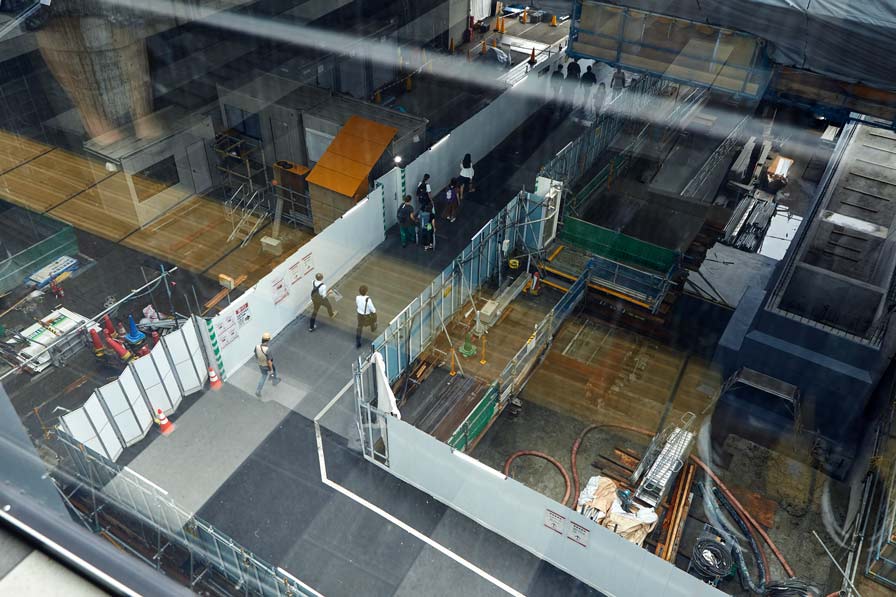
People may change, but data and history are passed down.
Shinozuka: This year marks the seventh year of the CM Conference. Have there been any changes over the years since it began?
Under the arm: Since I’m a consultant specializing in planning reviews and the necessary consultations and coordination, I thought my involvement would mainly be limited to the planning stages of urban development and construction, and that my role would gradually diminish. But because I’ve been discussing the plans all along, side-by-side with the actual projects and construction work, I’ve never had a chance to step back, so I’m still involved to this day (laughs).Maybe it’s because even when the people involved change, I settle in quickly, and we’ve managed to maintain a good atmosphere.
Arikawa: After all, aside from the CM meetings, there’s no system in place for businesses to collaborate with one another. I’m currently on secondment to another company, but I’ve told my successor, “There’s no way you can handle everything on your own, so go ahead and ask for help wherever you need to. In return, you’ll have to tough it out when necessary.”
Under the arm: I don’t know what would have happened if the CM meetings hadn’t been held. However, in the beginning, each contractor was responding individually to various requests from the government, but eventually, that process shifted to going through the CM meetings, and it’s certainly true that things started to move along more smoothly.
Shinozuka: So, it’s because of this platform that we were able to handle this, right? Otherwise, we would have had to start from scratch and discuss everything from the ground up. Also, the Traffic Measures Study Group is working well, isn’t it? There aren’t many other places where they’re doing something like that.
Under the arm: The Traffic Measures Study Group was established in 2012—actually, even before the CM meetings began.Initially, when we went to the traffic authority to discuss the construction work related to the station district land readjustment project, we were told, “With so many construction projects overlapping like this, we can’t move forward with individual consultations unless we bring the developers together.” That led to the formation of the Traffic Measures Study Group, which in turn paved the way for the establishment of this CM Council, which serves as its parent organization.
Shinozuka: I suppose it was because, around the time Shibuya was putting forward its urban planning proposal, developers started coming in individually to discuss the matter, so they must have said, “Hold on a minute.”
Under the arm: Since this was a first for the traffic control staff as well, I imagine they were feeling their way through things at first.
Under the arm: Since I’m a consultant specializing in planning reviews and the necessary consultations and coordination, I thought my involvement would mainly be limited to the planning stages of urban development and construction, and that my role would gradually diminish. But because I’ve been discussing the plans all along, side-by-side with the actual projects and construction work, I’ve never had a chance to step back, so I’m still involved to this day (laughs).Maybe it’s because even when the people involved change, I settle in quickly, and we’ve managed to maintain a good atmosphere.
Arikawa: After all, aside from the CM meetings, there’s no system in place for businesses to collaborate with one another. I’m currently on secondment to another company, but I’ve told my successor, “There’s no way you can handle everything on your own, so go ahead and ask for help wherever you need to. In return, you’ll have to tough it out when necessary.”
Under the arm: I don’t know what would have happened if the CM meetings hadn’t been held. However, in the beginning, each contractor was responding individually to various requests from the government, but eventually, that process shifted to going through the CM meetings, and it’s certainly true that things started to move along more smoothly.
Shinozuka: So, it’s because of this platform that we were able to handle this, right? Otherwise, we would have had to start from scratch and discuss everything from the ground up. Also, the Traffic Measures Study Group is working well, isn’t it? There aren’t many other places where they’re doing something like that.
Under the arm: The Traffic Measures Study Group was established in 2012—actually, even before the CM meetings began.Initially, when we went to the traffic authority to discuss the construction work related to the station district land readjustment project, we were told, “With so many construction projects overlapping like this, we can’t move forward with individual consultations unless we bring the developers together.” That led to the formation of the Traffic Measures Study Group, which in turn paved the way for the establishment of this CM Council, which serves as its parent organization.
Shinozuka: I suppose it was because, around the time Shibuya was putting forward its urban planning proposal, developers started coming in individually to discuss the matter, so they must have said, “Hold on a minute.”
Under the arm: Since this was a first for the traffic control staff as well, I imagine they were feeling their way through things at first.
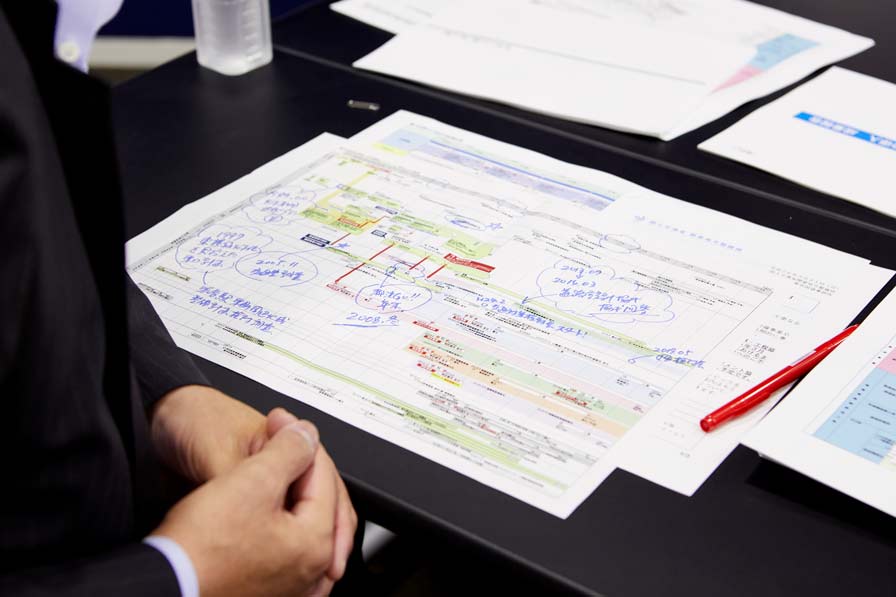
Shirako: By the time I joined the project, a system was already in place to share the details of the construction work six months in advance, so I don’t recall having the same difficulties that the rest of you did. Even during the construction phase, while extensive traffic surveys would normally have been required, thanks to the planning meetings, we were able to significantly reduce the number of individual surveys we had to conduct. My impression is that the process went very smoothly.
Under the arm: Large-scale traffic surveys and the like had already been conducted, so all the basic data was already in place. The fact that we were able to gather that much data may be precisely because so many businesses were involved. Plus, when it comes to applying for construction permits, the required surveys are clearly defined, so once the system is in place, the process moves quickly, doesn’t it?
Shinozuka: I think the fact that the public and private sectors are able to collaborate effectively is a major factor. Generally speaking, individual project owners place construction orders separately and conduct discussions on their own, which can lead to delays or changes in personnel. It’s not often that data related to the construction work and the history of discussions are thoroughly passed on, as they are in CM meetings.
Shirako: I think it’s significant that firms like Nikken Sekkei and Pacific Consultants are involved in this project. In civil engineering, consultants are typically only involved up to the practical design phase, and it’s rare for them to continue working with us once construction begins, so this was a very fresh experience for me.
Arikawa: Public-Private Partnership Plus—you’re a consultant, right? You point out things we as business operators couldn’t possibly imagine on our own, and you help us coordinate them. You have that keen insight gained through 10 or 20 years of experience. That’s truly something we can rely on.
Forest: Isn’t it only natural that the construction schedule would be delayed when multiple projects are overlapping? But the fact that there haven’t been any major delays since construction began is probably because we’ve been able to coordinate everything seamlessly. I suppose this organizational structure really was effective, after all.
Arikawa: That’s right. The other day, there was a newspaper article titled “Tokyu Toyoko Store to Close in March 2020,” and it made me realize once again that the efforts we’ve been making over the past few years have basically proceeded as planned. It’s precisely because of the coordination that took place during the advertising meetings and the traffic measures review meetings that we’ve managed to get to the point where we can welcome 2020.
Under the arm: Large-scale traffic surveys and the like had already been conducted, so all the basic data was already in place. The fact that we were able to gather that much data may be precisely because so many businesses were involved. Plus, when it comes to applying for construction permits, the required surveys are clearly defined, so once the system is in place, the process moves quickly, doesn’t it?
Shinozuka: I think the fact that the public and private sectors are able to collaborate effectively is a major factor. Generally speaking, individual project owners place construction orders separately and conduct discussions on their own, which can lead to delays or changes in personnel. It’s not often that data related to the construction work and the history of discussions are thoroughly passed on, as they are in CM meetings.
Shirako: I think it’s significant that firms like Nikken Sekkei and Pacific Consultants are involved in this project. In civil engineering, consultants are typically only involved up to the practical design phase, and it’s rare for them to continue working with us once construction begins, so this was a very fresh experience for me.
Arikawa: Public-Private Partnership Plus—you’re a consultant, right? You point out things we as business operators couldn’t possibly imagine on our own, and you help us coordinate them. You have that keen insight gained through 10 or 20 years of experience. That’s truly something we can rely on.
Forest: Isn’t it only natural that the construction schedule would be delayed when multiple projects are overlapping? But the fact that there haven’t been any major delays since construction began is probably because we’ve been able to coordinate everything seamlessly. I suppose this organizational structure really was effective, after all.
Arikawa: That’s right. The other day, there was a newspaper article titled “Tokyu Toyoko Store to Close in March 2020,” and it made me realize once again that the efforts we’ve been making over the past few years have basically proceeded as planned. It’s precisely because of the coordination that took place during the advertising meetings and the traffic measures review meetings that we’ve managed to get to the point where we can welcome 2020.
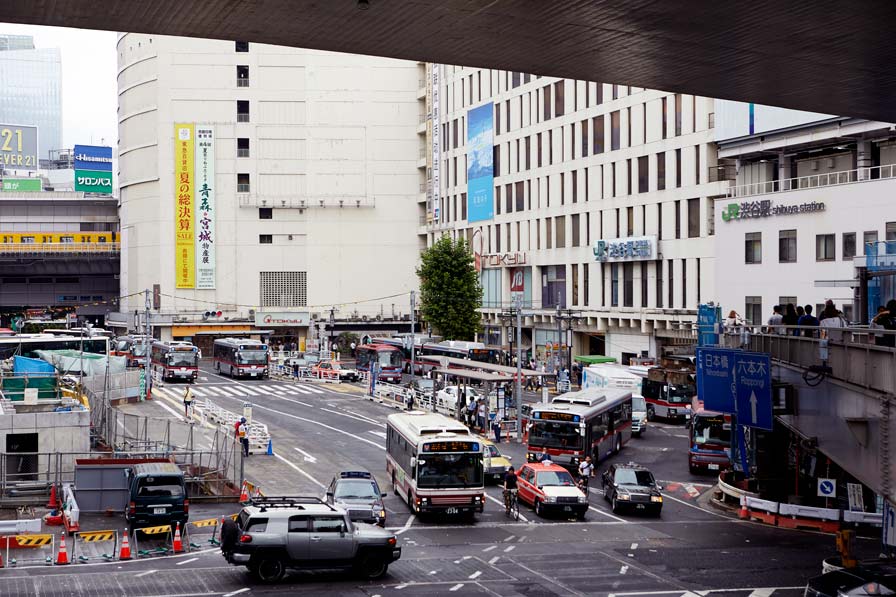
Looking ahead to redevelopment in 2020 and beyond
Shinozuka: With the global sports festival finally set to take place in 2020, people from all over the world will be gathering here in Tokyo. Please tell us about the outlook for Shibuya’s redevelopment next year and beyond.
Forest: Having been involved in this for so long, I’ve always viewed 2020 as a major turning point. It feels like the efforts we’ve put in over the years are finally coming to fruition—the moment when everyone can start using it is finally here. I’m glad we’ve stuck with it all this time. On the other hand, the Shibuya redevelopment project is shifting from the east side to the west side and will continue for some time yet; there will undoubtedly be many major hurdles to overcome.It would be great if we could build on our experience from 2020 and beyond as we move forward.
Shirako: I believe everyone involved in the Shibuya redevelopment project—including the CM committee—shares the understanding that success isn’t simply a matter of our own projects being completed in time for the opening.With projects like Shibuya Stream and Shibuya Furasu being completed one after another, Tokyo Metro is doing its best to keep pace and aims to complete the Ginza Line station renovation by the start of the new year. I’m genuinely happy that we’ve reached a point where not only our project but all of them are on the verge of completion.
Forest: Having been involved in this for so long, I’ve always viewed 2020 as a major turning point. It feels like the efforts we’ve put in over the years are finally coming to fruition—the moment when everyone can start using it is finally here. I’m glad we’ve stuck with it all this time. On the other hand, the Shibuya redevelopment project is shifting from the east side to the west side and will continue for some time yet; there will undoubtedly be many major hurdles to overcome.It would be great if we could build on our experience from 2020 and beyond as we move forward.
Shirako: I believe everyone involved in the Shibuya redevelopment project—including the CM committee—shares the understanding that success isn’t simply a matter of our own projects being completed in time for the opening.With projects like Shibuya Stream and Shibuya Furasu being completed one after another, Tokyo Metro is doing its best to keep pace and aims to complete the Ginza Line station renovation by the start of the new year. I’m genuinely happy that we’ve reached a point where not only our project but all of them are on the verge of completion.
Arikawa: Perhaps having a clear goal—the year 2020—was what made the difference. That’s why we were able to communicate effectively and come together with the resolve to do our best. And from here on out, things will likely be even more challenging than they’ve been so far. Although I’m now in a position to observe from the outside, I want to use this new perspective to highlight that it’s precisely because the nine businesses have worked together—and sometimes even argued—that we’ve been able to get this far.
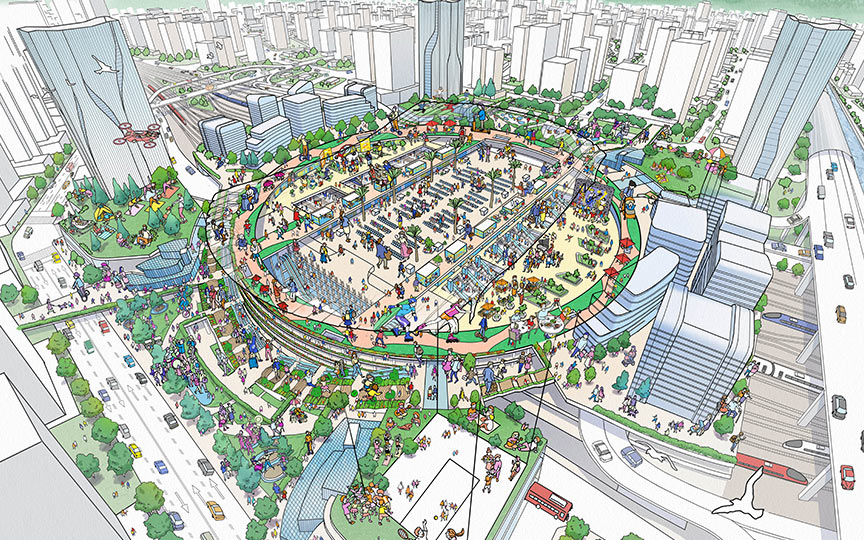
Under the arm: It makes me so happy to see the illustrations I’ve been working on come to life—and to witness the moment when everyone starts using them. I still can’t quite imagine what Shibuya will look like in 2027 when the redevelopment is complete, but for now, 2020 is my first milestone. I’m looking forward to it so much that I might even tear up when I actually see it.
Shinozuka: We definitely want to put what we’ve learned from the CM meetings to good use—both during the Games and beyond. It’s said that approaches like the CM meetings are essential not only for Shibuya but also for urban revitalization in general, and they’re attracting a great deal of attention from overseas as well.First, we’ll apply the insights and experience we’ve gained so far to the upcoming redevelopment of the western area. And if this approach were to spread throughout Tokyo and even overseas after 2020, nothing could be more wonderful.
Under the arm: It makes me so happy to see the illustrations I’ve been working on come to life—and to witness the moment when everyone starts using them. I still can’t quite imagine what Shibuya will look like in 2027 when the redevelopment is complete, but for now, 2020 is my first milestone. I’m looking forward to it so much that I might even tear up when I actually see it.
Shinozuka: We definitely want to put what we’ve learned from the CM meetings to good use—both during the Games and beyond. It’s said that approaches like the CM meetings are essential not only for Shibuya but also for urban revitalization in general, and they’re attracting a great deal of attention from overseas as well.First, we’ll apply the insights and experience we’ve gained so far to the upcoming redevelopment of the western area. And if this approach were to spread throughout Tokyo and even overseas after 2020, nothing could be more wonderful.