
Cool City and Eco-towers
middle east
Scroll Down
Towards sustainable urban development: How to achieve a 60% reduction while maintaining the structure
A research master plan for eco-cities and ecological architecture in the Middle East region.
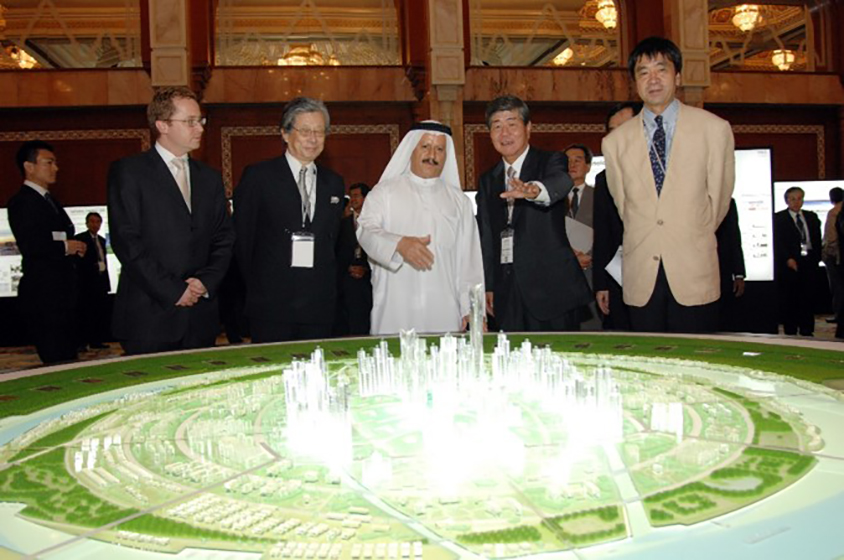
Nikken Sekkei, together with other leading Japanese companies in the field of environmental technology, established the "Consortium for Sustainable Urban Development for Partnership between Japan and the Gulf States" (SDCJ*), and in 2007 held a special symposium and exhibition on the theme of sustainable urban development.
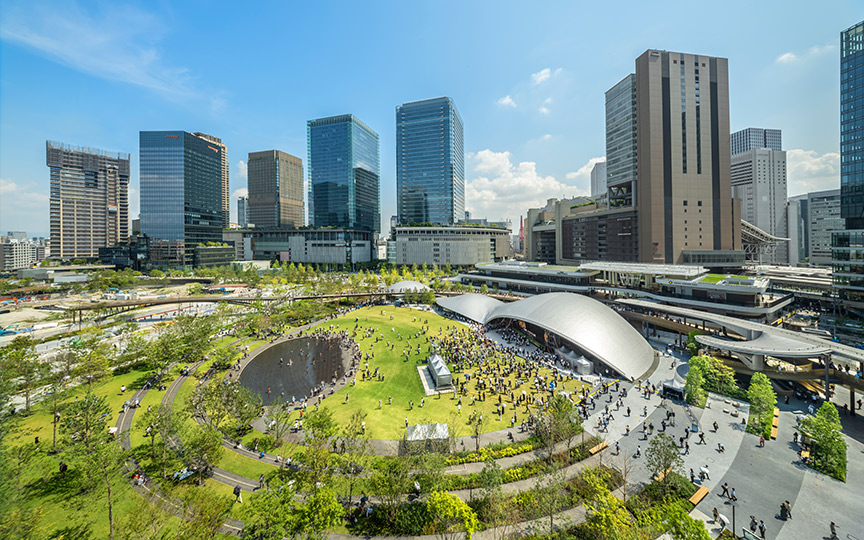
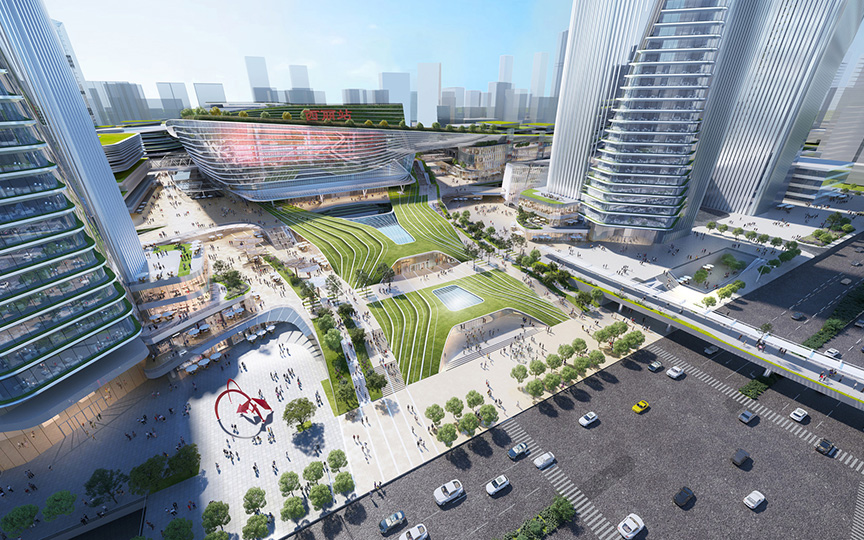
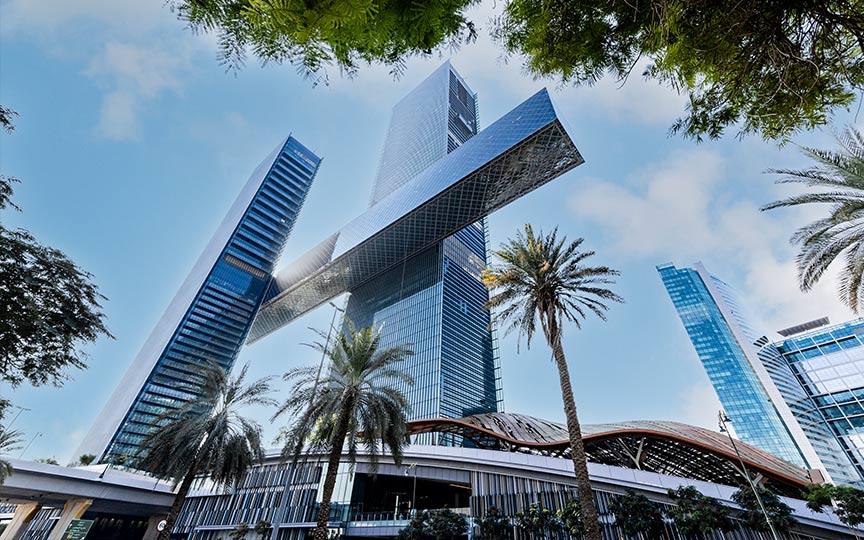
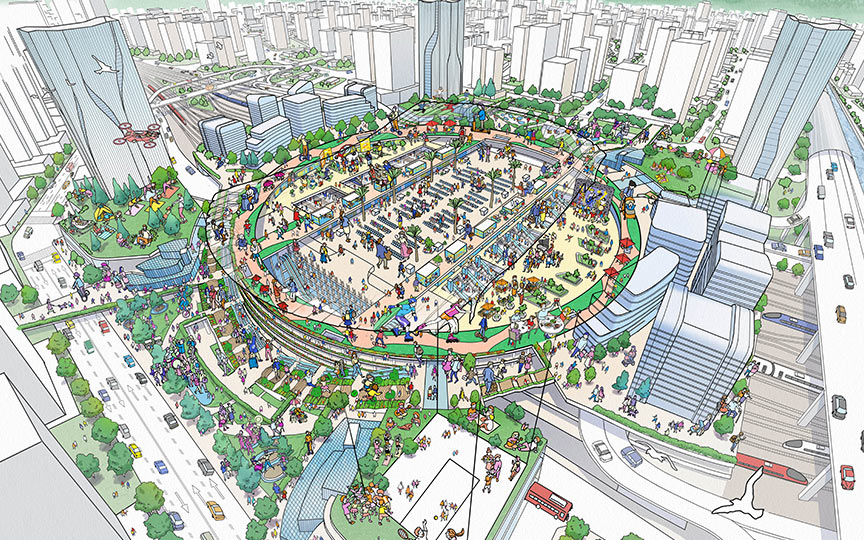
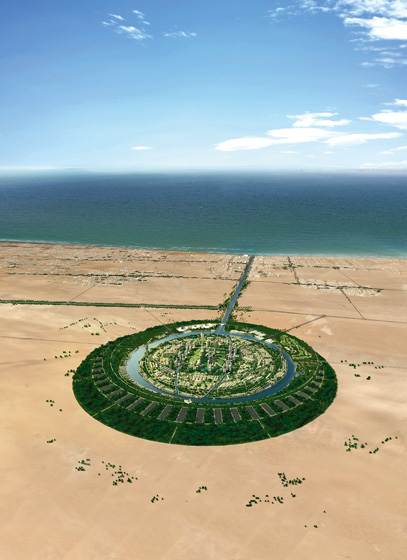
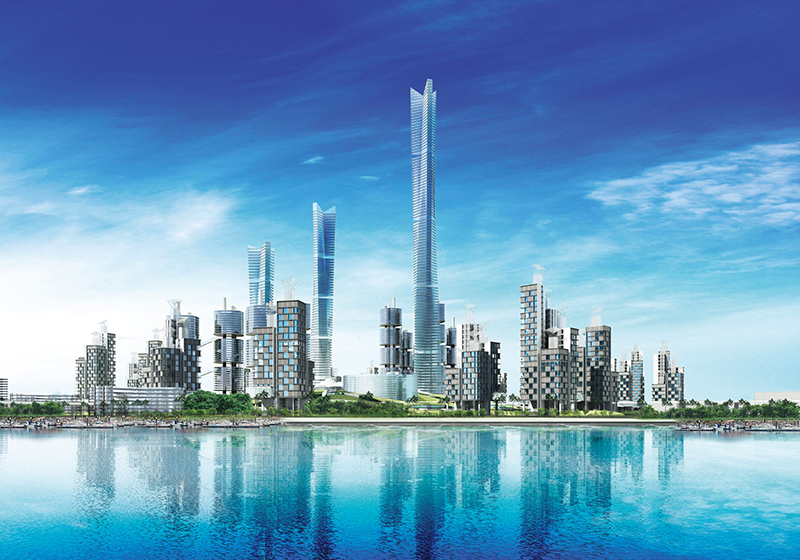
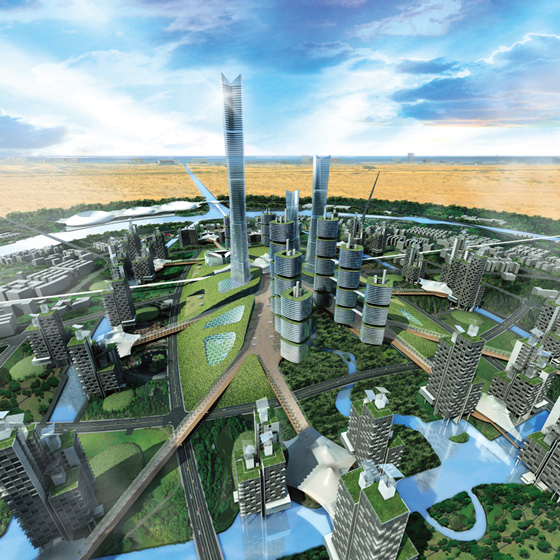
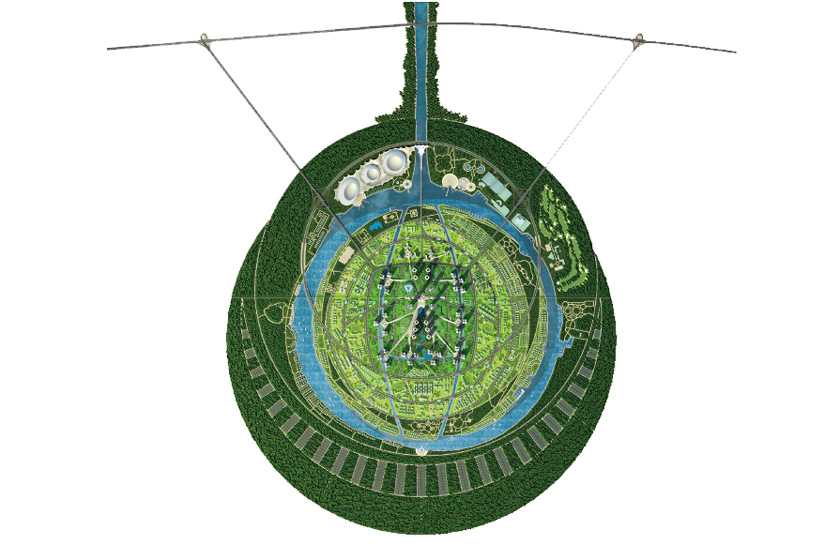
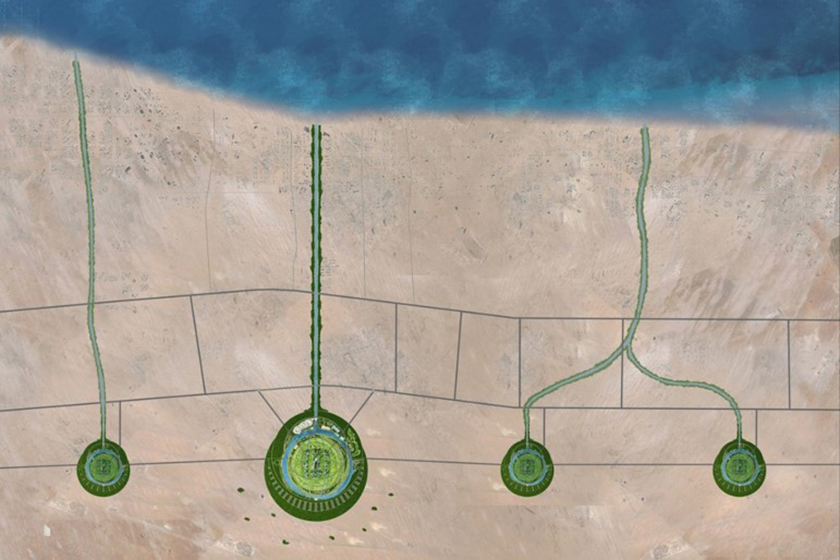
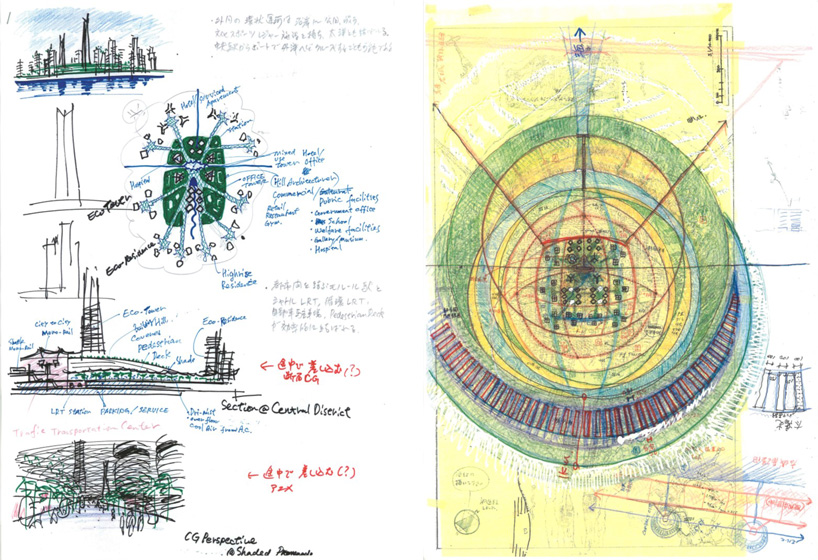
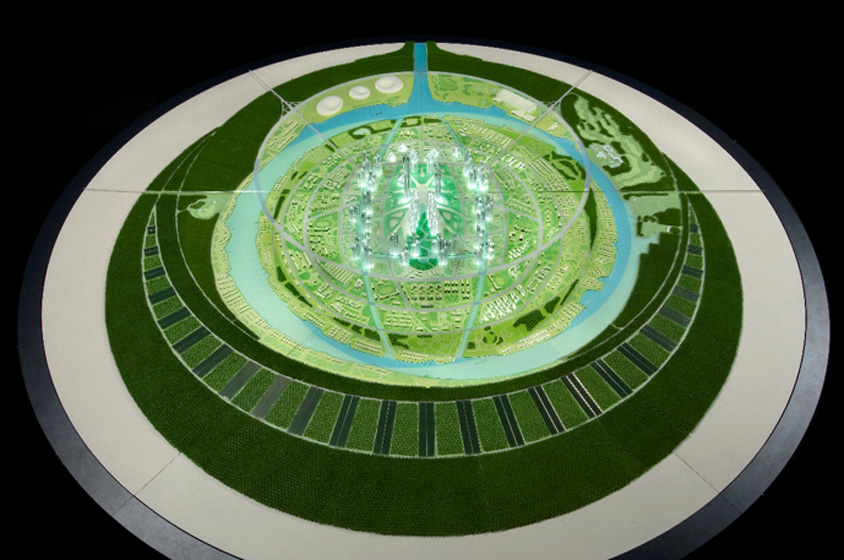
Upon its establishment, SDCJ presented the concept of "Cool City," aiming to create sustainable cities using Japan's most advanced transportation systems, energy infrastructure, renewable energy, and energy-saving technologies. "Cool City" is a network of small, mixed-use and residential cities connected by public transportation networks. It is a city of a size that is comfortable to walk around. It aims to be a compact city centered around a train station, equipped with functions for business, daily life, sports, and welfare. Based on the plan presented by Nikken Sekkei, these cities and their buildings are expected to reduce overall energy consumption by up to 60%.
*Sustainable Urban Development Consortium for Japan and Gulf States Partnership
Nikken Sekkei, together with other leading Japanese companies in the field of environmental technology, established the "Consortium for Sustainable Urban Development for Partnership between Japan and the Gulf States" (SDCJ*), and in 2007 held a special symposium and exhibition on the theme of sustainable urban development.
Upon its establishment, SDCJ presented the concept of "Cool City," aiming to create sustainable cities using Japan's most advanced transportation systems, energy infrastructure, renewable energy, and energy-saving technologies. "Cool City" is a network of small, mixed-use and residential cities connected by public transportation networks. It is a city of a size that is comfortable to walk around. It aims to be a compact city centered around a train station, equipped with functions for business, daily life, sports, and welfare. Based on the plan presented by Nikken Sekkei, these cities and their buildings are expected to reduce overall energy consumption by up to 60%.
*Sustainable Urban Development Consortium for Japan and Gulf States Partnership
| SITE AREA | 5,000,000 m² |
|---|---|
| TOTAL FLOOR AREA | 6,000,000 m² |
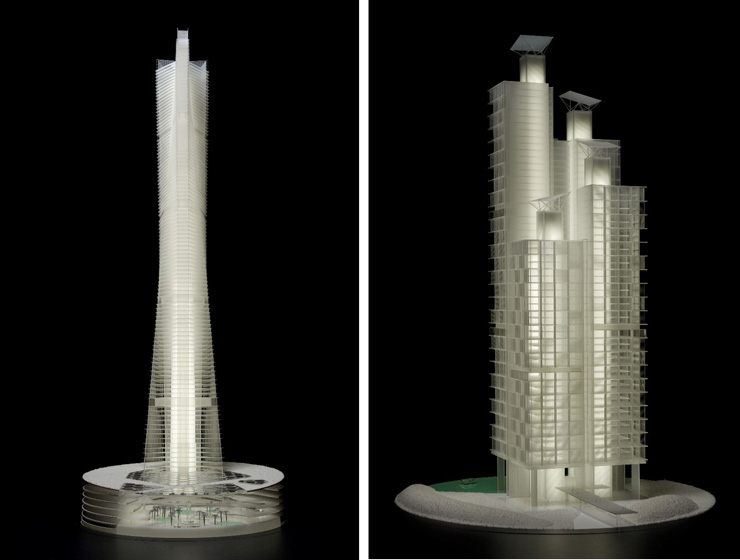
| BUILDING HEIGHT | GL+600 m |
| INFO | Design supervision: Nikken Sekkei Joint supervision: SDCJ (The Sustainable Urban Development Consortium for Japan and Gulf States Partnership) including Daikin Industries, Figla, Hitachi, Kume Sekkei, Nikken Sekkei, Panasonic Electric Works(formerly Matsushita Electric Works), Sanyo Electric, Tokyo Gas & Tokyo Gas Engineering, Toshiba, TSUCHIYA(formerly Tsuchiya Gumi), and Azbil (formerly Yamatake) as founding members. (in alphabetical order by company name) |



1 /
1