
Cool City
SCROLL DOWN
Urban design from an engineering perspective
Against the background of aging society and the globalization, there is a rising need for urbanization that aggregates scarce resources and performs efficient economic activity. On the other hand, the creation of pleasant and comfortable public spaces suitable for mature cities has become the new task, alongside the environmental problems caused by urbanization. As a solution for these issues, creating a “Cool City” that designs air, water, light, and heat from an engineering perspective would contribute to a sustainable society.



Using Engineering Ability to Address the Environmental Problems of Urbanization
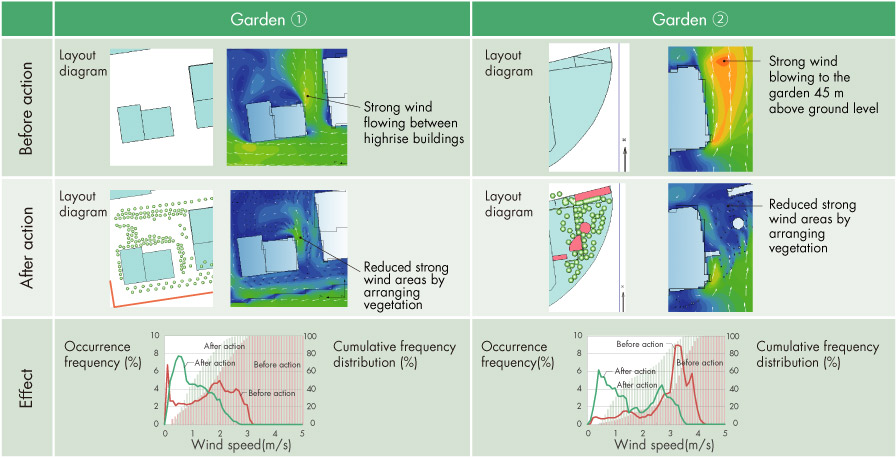 Simulation of wind countermeasures for a large-scale development
Optimizing the vegetation layout mitigates the incidence of strong winds
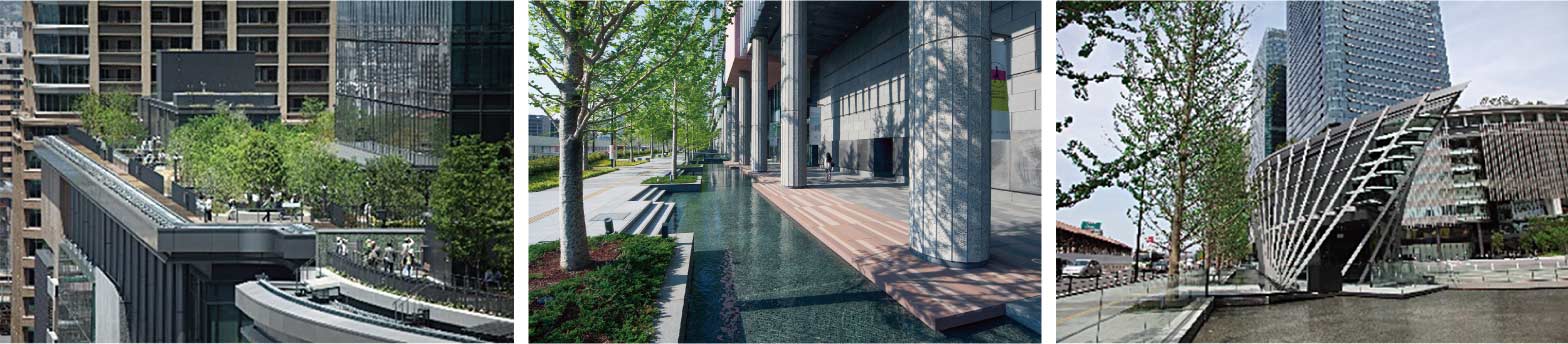 Mitigating winds with building shape and vegetation
Use Wind, Air, Water, and Light to Design for Amenity in Public Spaces
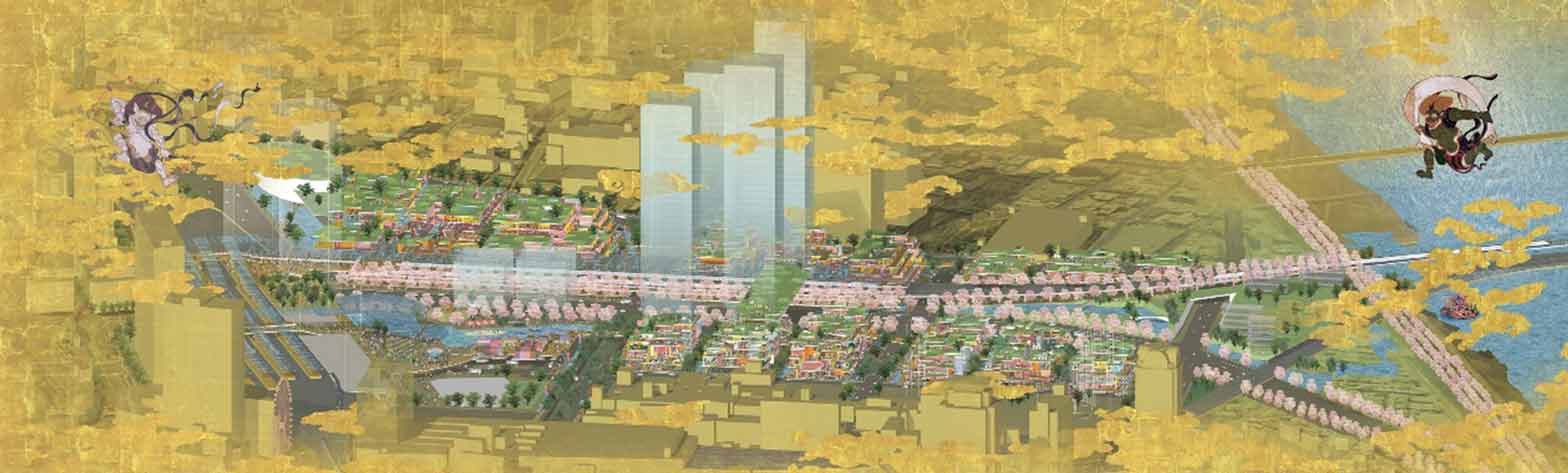 A proposal for the “Metropolitan Compost” international competition (site landscaping with scenic water and abundant greenery)
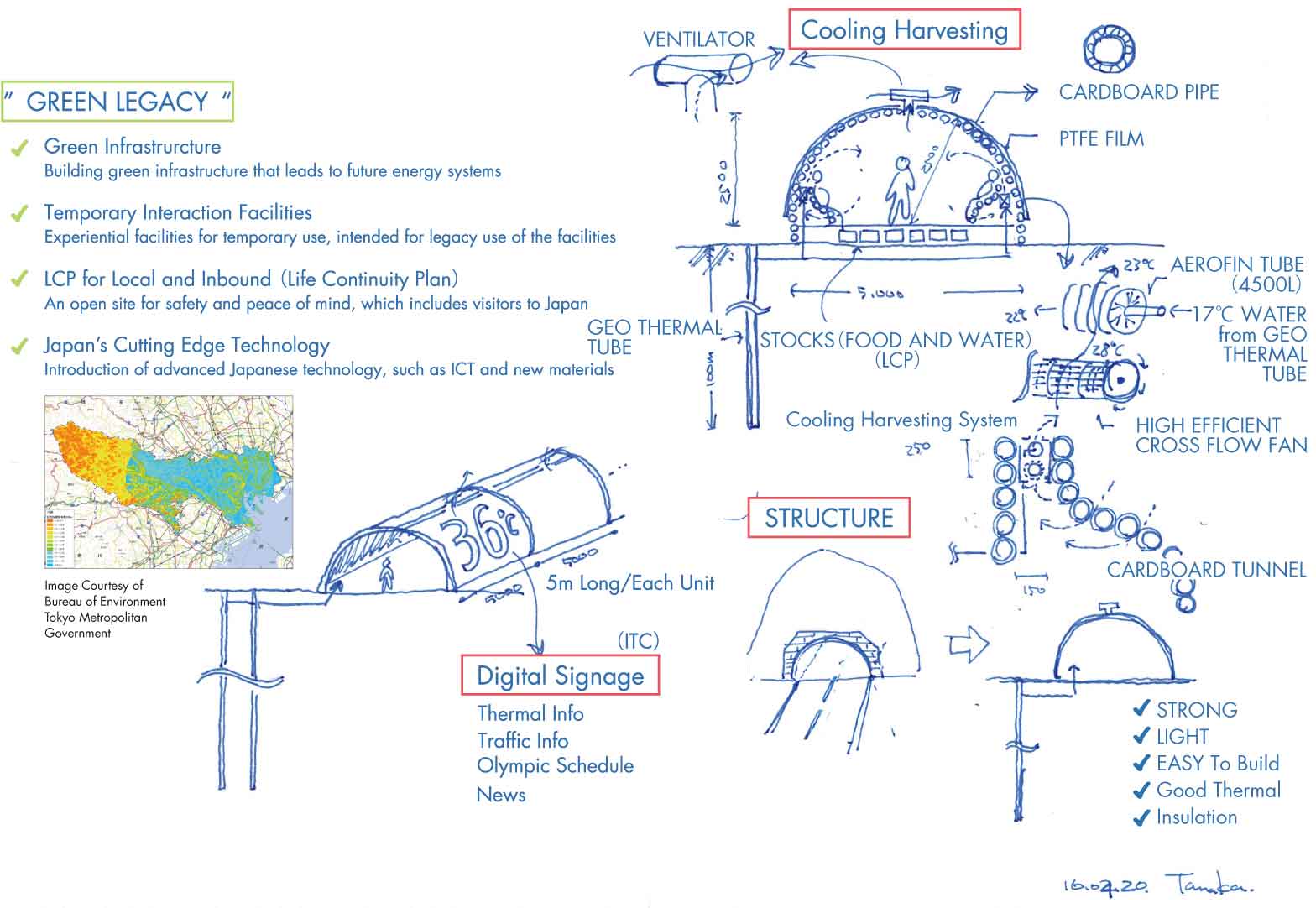 “Green Legacy” cool spot proposal

Microclimate Design in Cool City
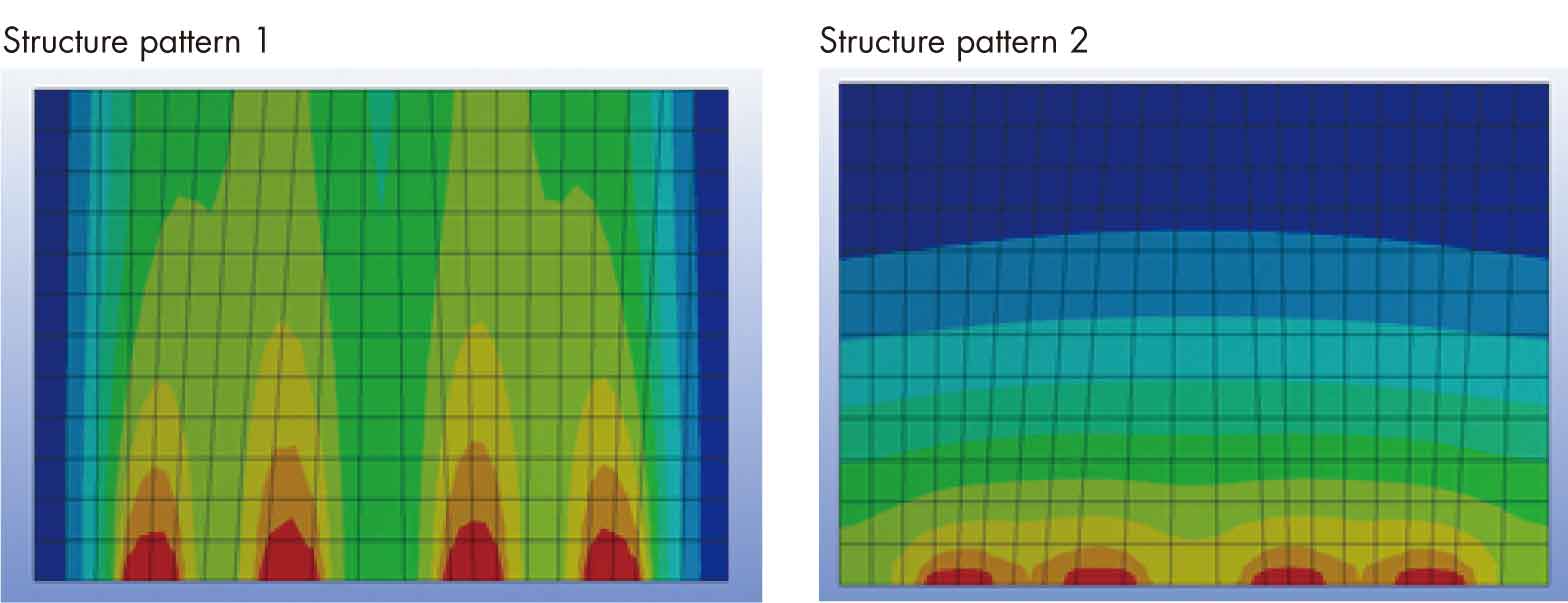
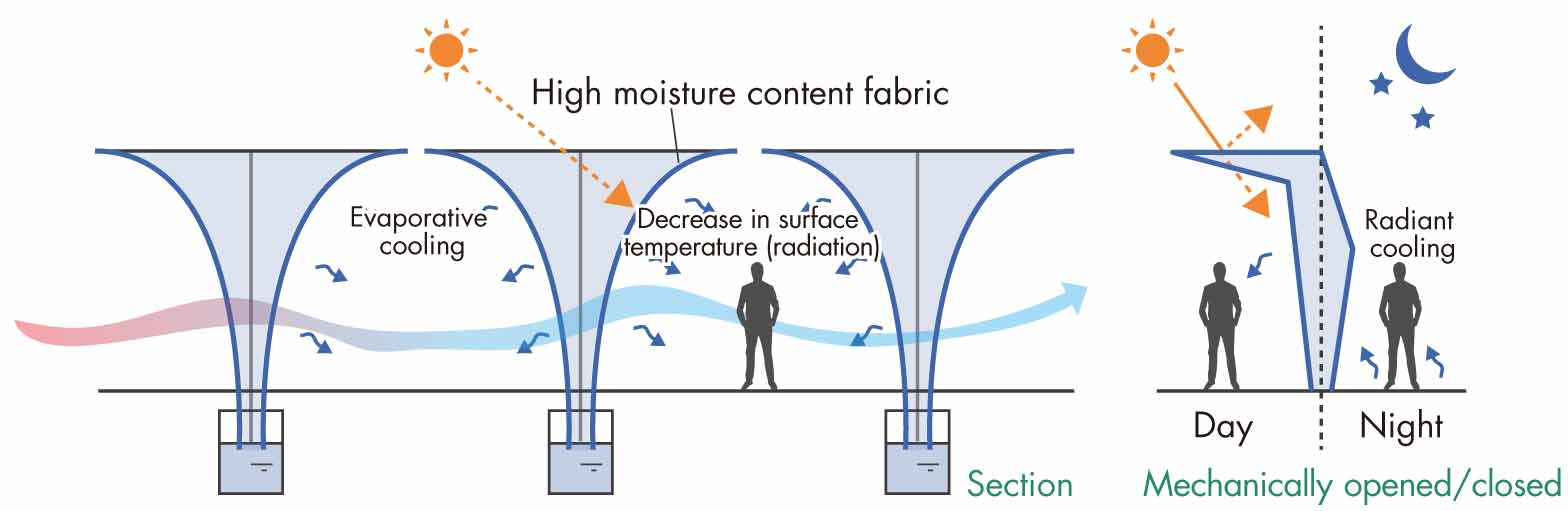 Example of use of non-woven cloth
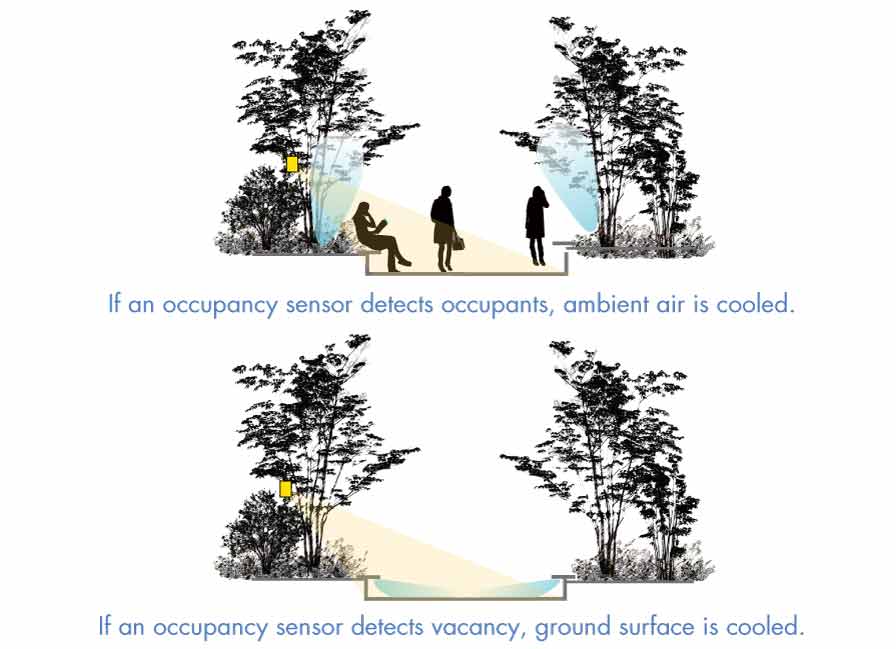
This system uses dry water mist to cool air or ground surface according to occupancy.
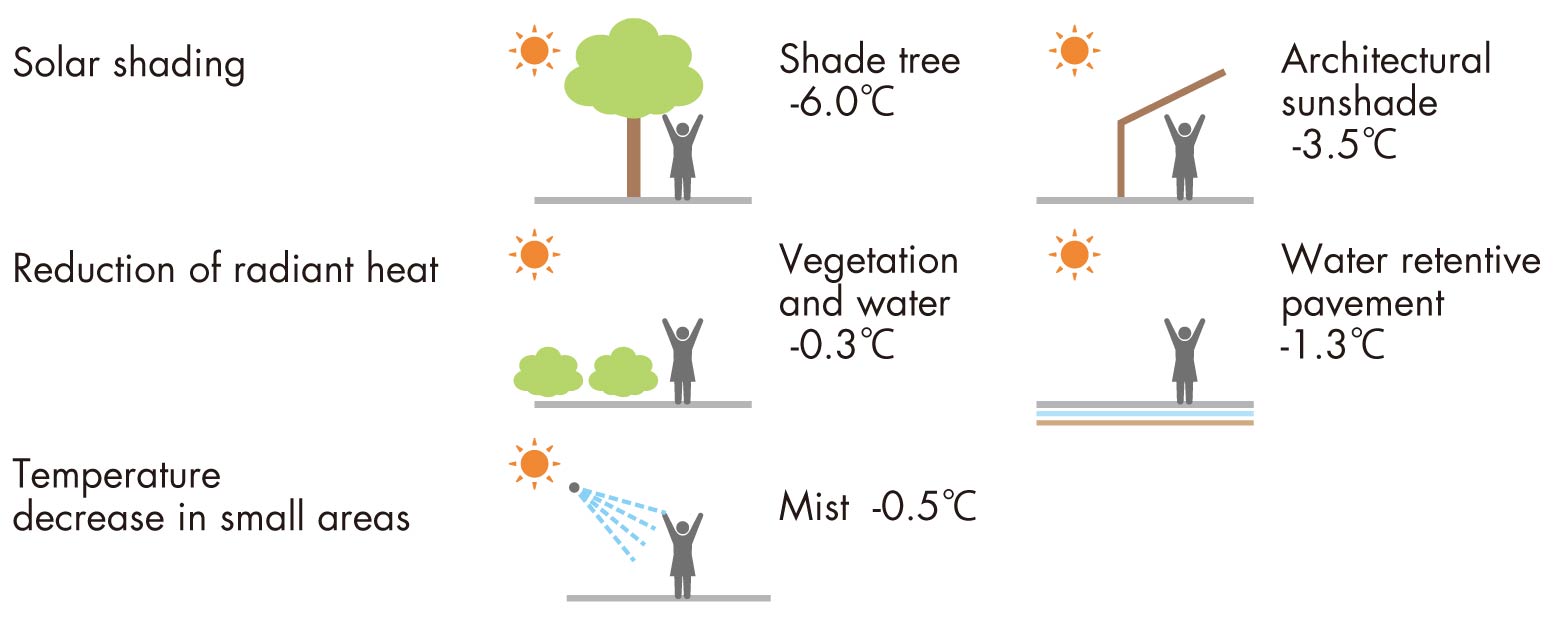 Outdoor Space Design Chart
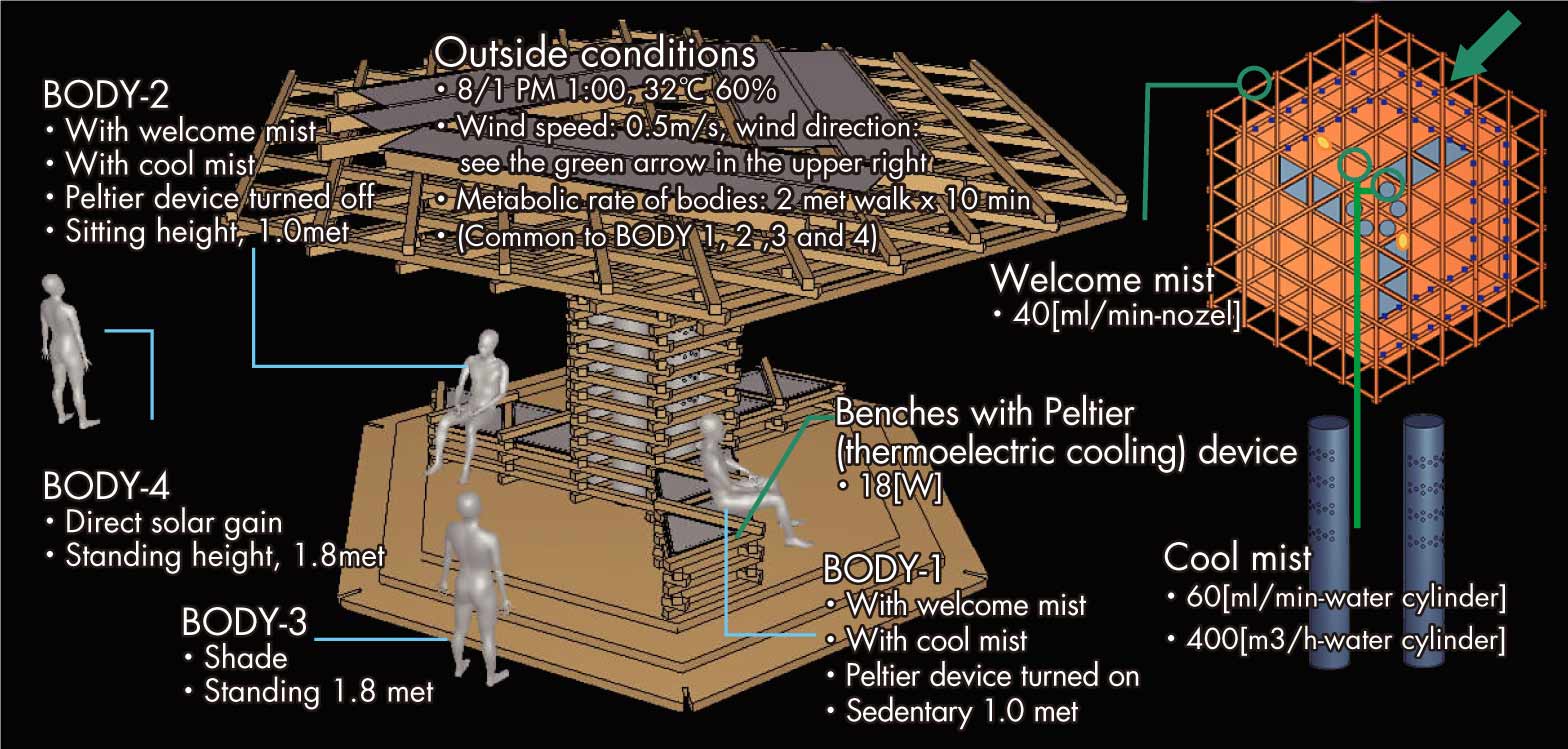 Conditions of COOL TREE CFD analysis
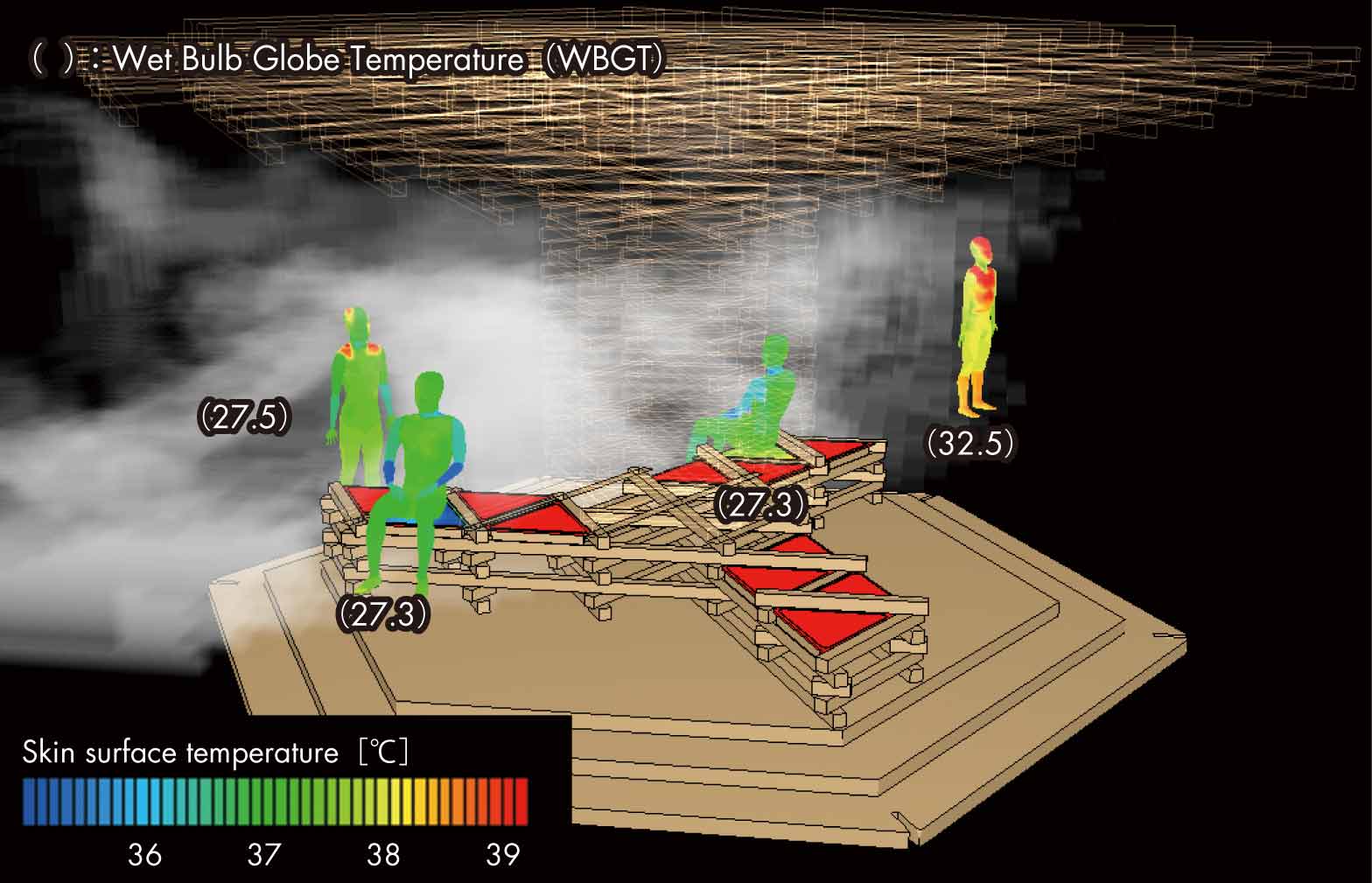 Result of CFD analysis
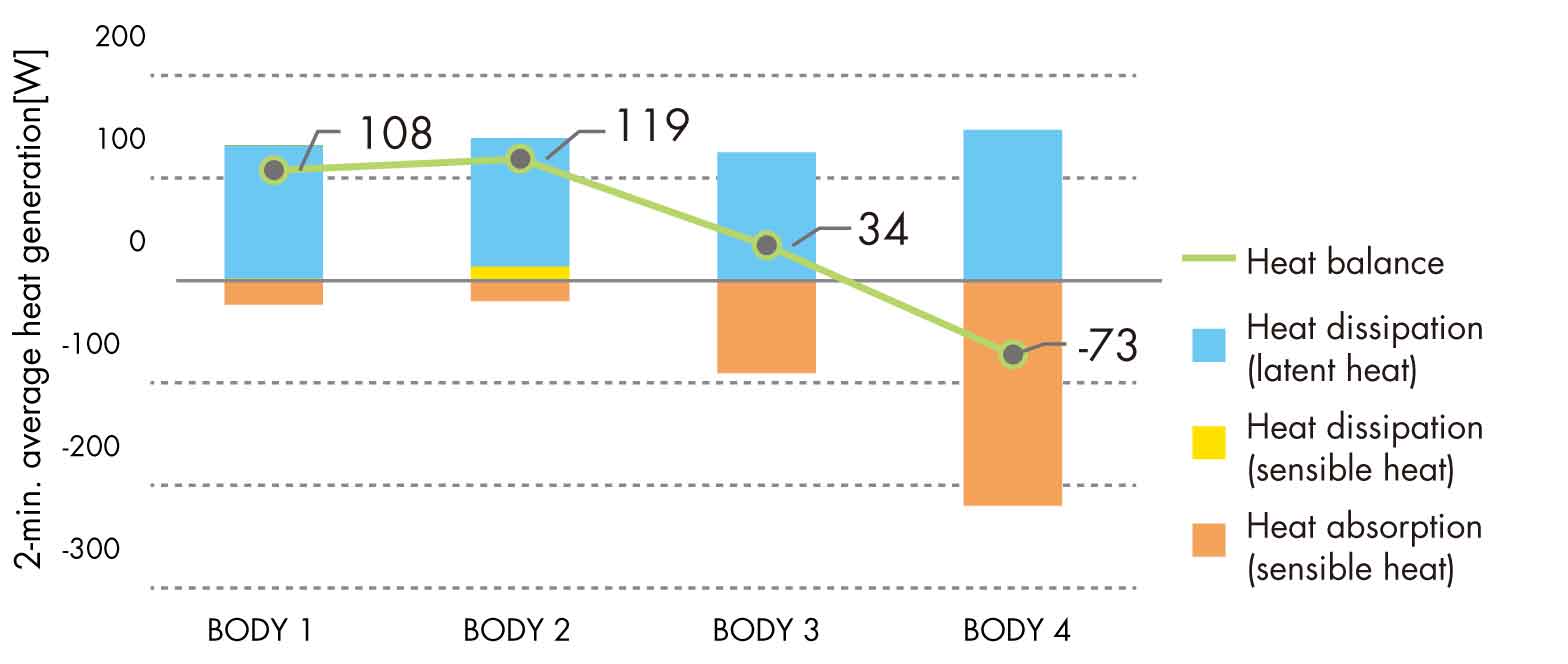 Heat balance between the surface (skin) of the human body and its environment
>Yasuhiro Tabata
From Buildings to a “Cool City”
This project proposes facades and roofs that contributes to urban heat island reduction i.e. realization of a “Cool City”.
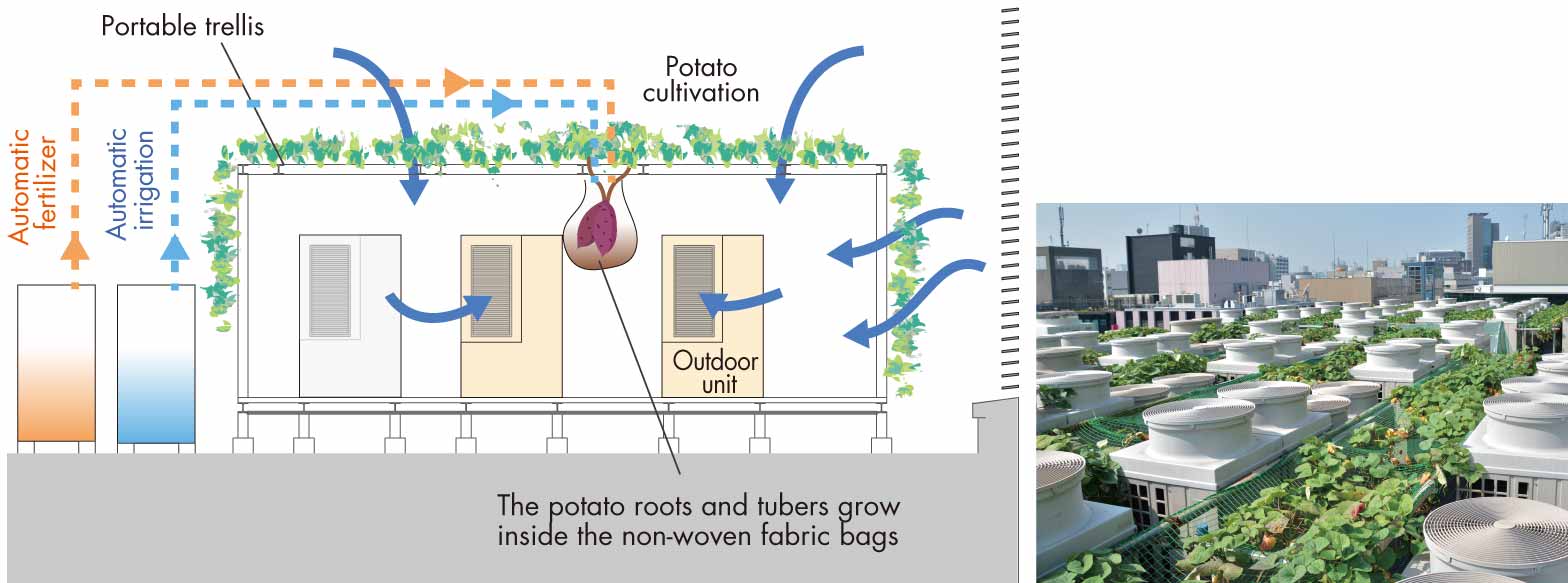 Conceptual diagram of a potato foliage system
Bio-skin Facade is a cooling facade system, which helps heat island reduction.
When water evaporates from the surfaces of porous ceramic tubes, vaporization heat lowers the surface temperature to cool the surrounding air. A large reduction of surface temperature can be expected compared to no water flow inside the tubes.
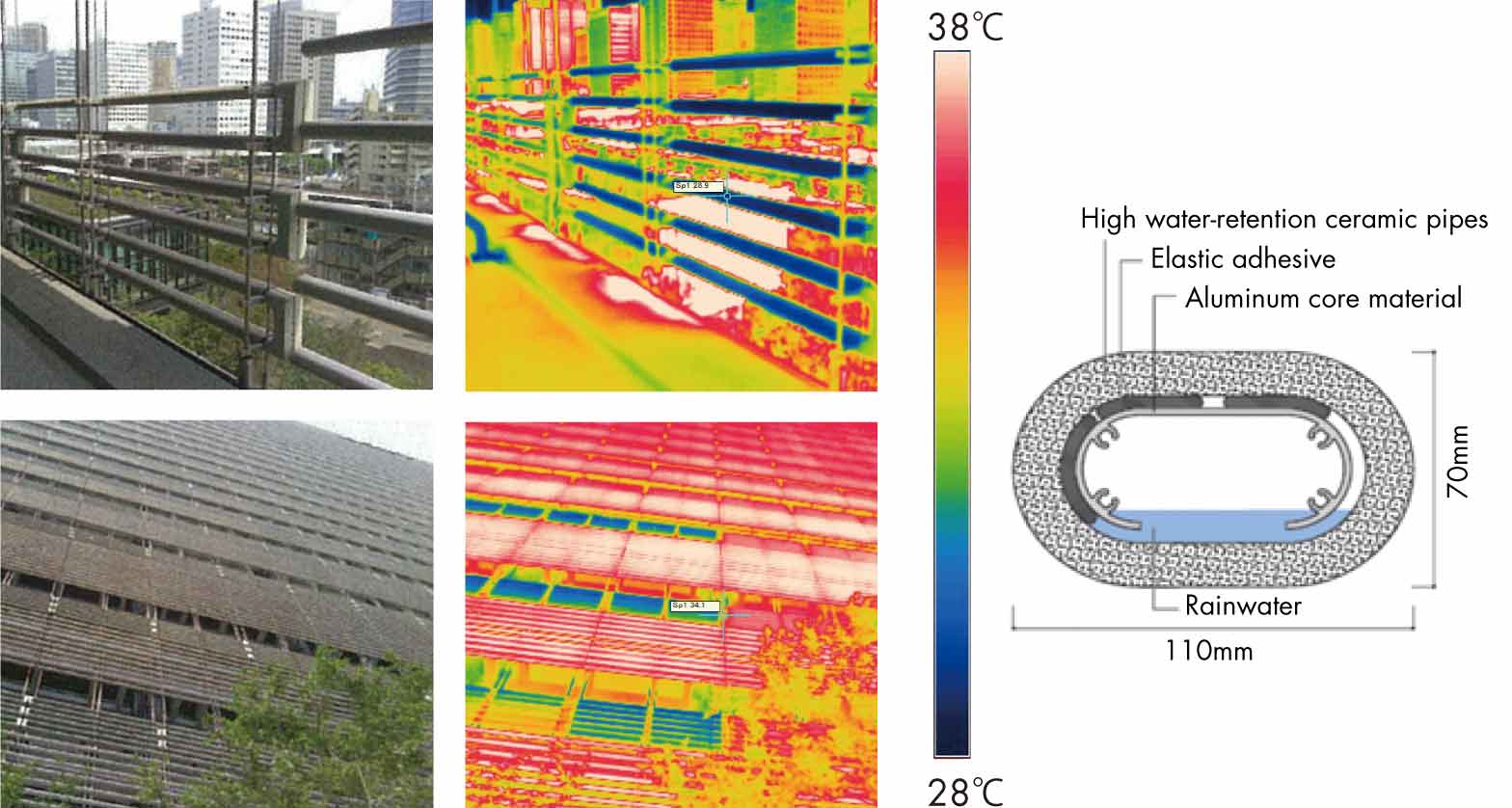 Bio-skin facade (NBF Osaki Building)
Cool City - Urban Design
The measures include not disposing heat to district for heat island reduction and designing total heat supply network in the district.
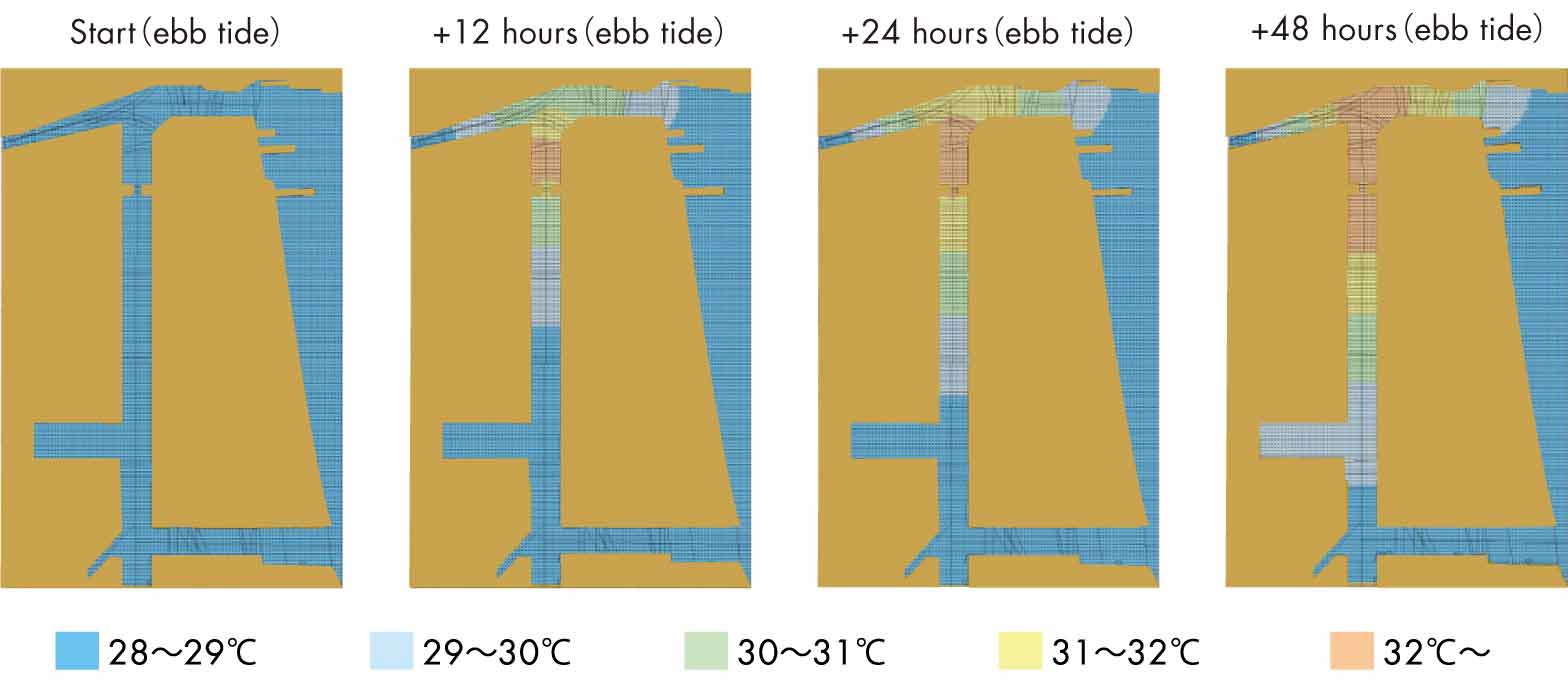 Two-dimensional simulation of heat discharge to canal
This project examines the grid connection between district heat suppliers and buildings with central heat source system to efficiently share heat among districts.
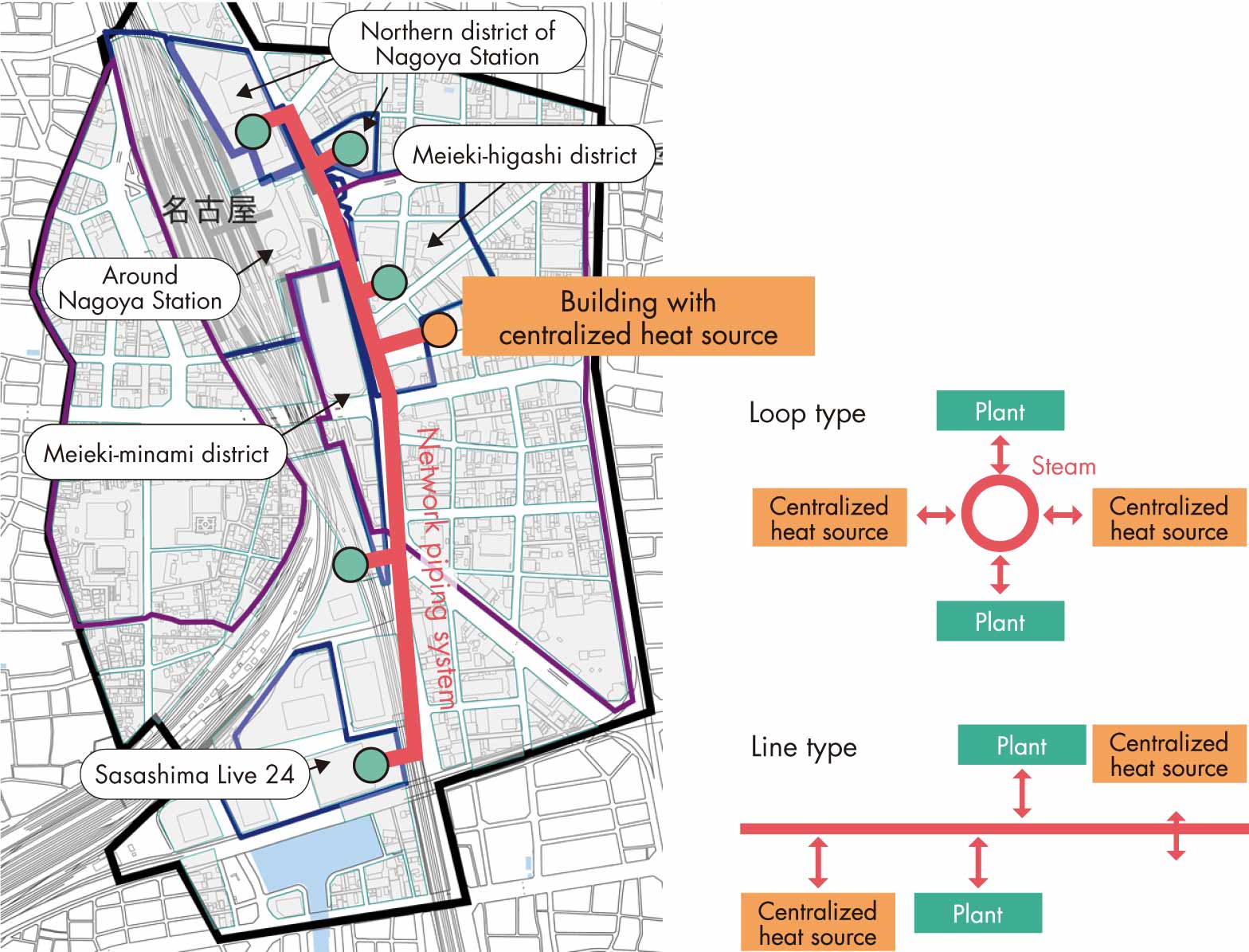 Image of heat sharing (in Nagoya City)