
Born in the Desert
An “Urban Oasis” Connected to the City
One Za’abeel (Dubai)
SCROLL DOWN
Located at the gateway to downtown Dubai—one of the world’s leading financial hubs—"One Za’abeel," developed and owned by Ithra Dubai, is a large-scale mixed-use complex that seamlessly integrates offices, luxury hotels, upscale residences, dining, retail, events, and leisure facilities.
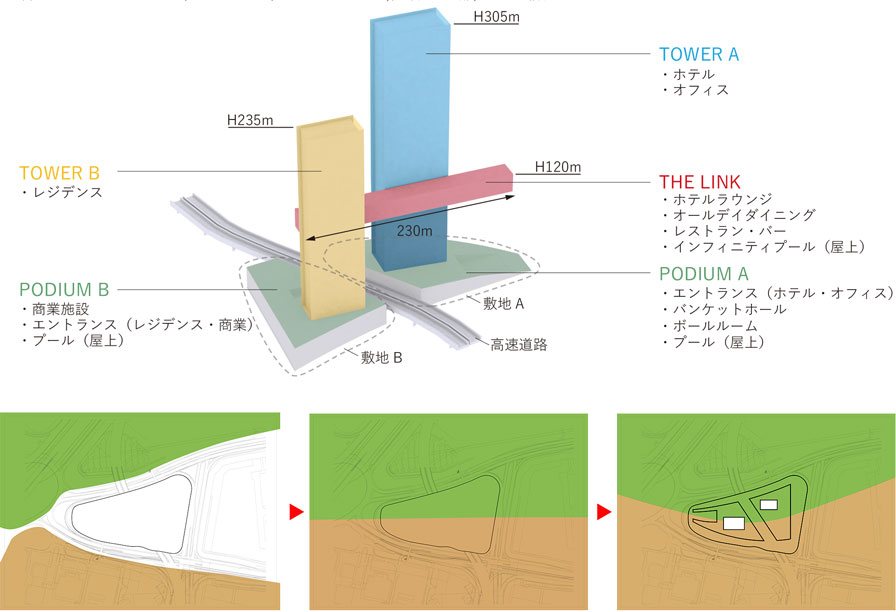
Its iconic design—featuring two towers, one 305 meters and the other 235 meters tall, connected by a 230-meter-long cantilevered structure called “THE LINK”—is attracting attention as a new landmark in Dubai.NIKKEN SEKKEI was selected as the lead consultant in an international competition in 2014 and oversaw the entire design and supervision process. Approximately 10 years after the design phase began, this major project was completed in 2024; here, we look back on it from the perspective of landscape design.



An Urban Landscape Born from a Dialogue with Landmark Buildings
 © Nikken Sekkei
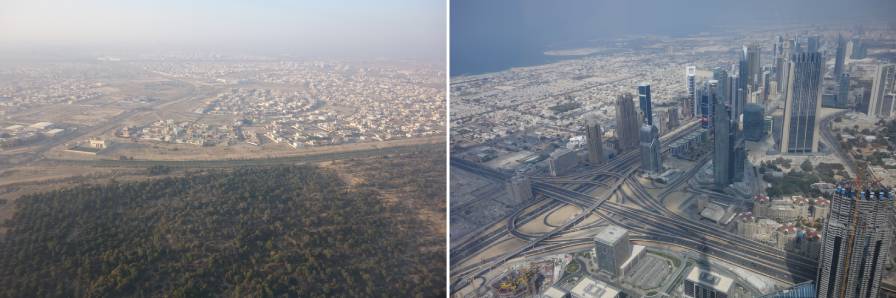
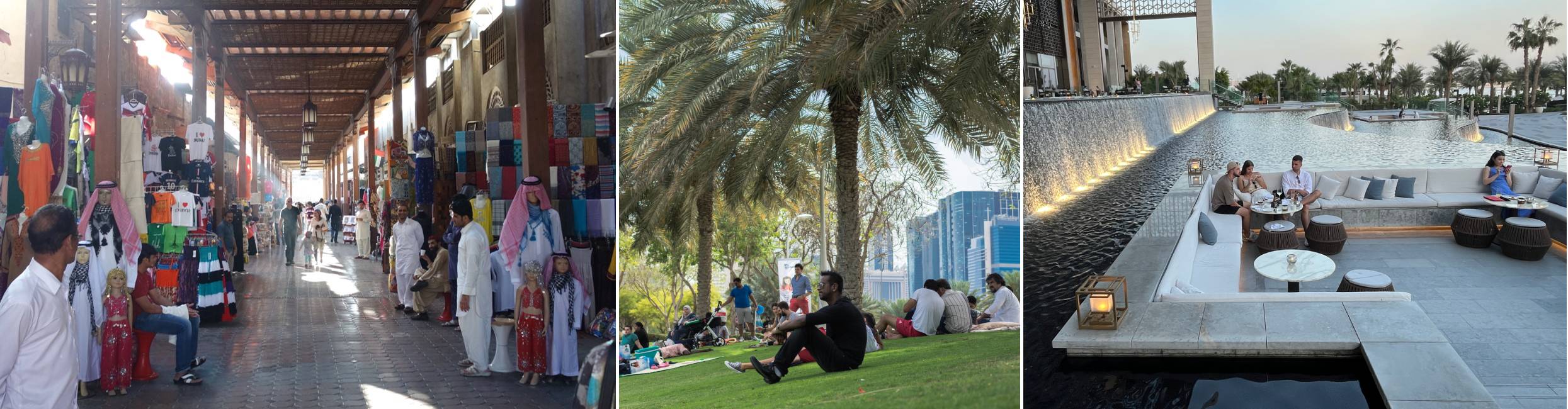
The first step in conceiving the landscape was to understand the land of Dubai. We began by researching how citizens use outdoor spaces in their daily lives, taking into account the cultural and religious context.
 Left © Nikken Sekkei, Middle © Alessandro Merati, Cracknell, Right © Nikken Sekkei
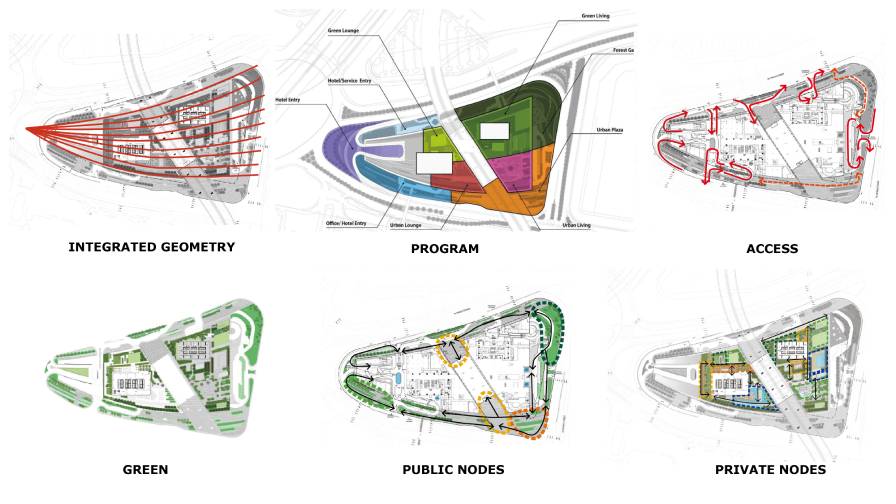
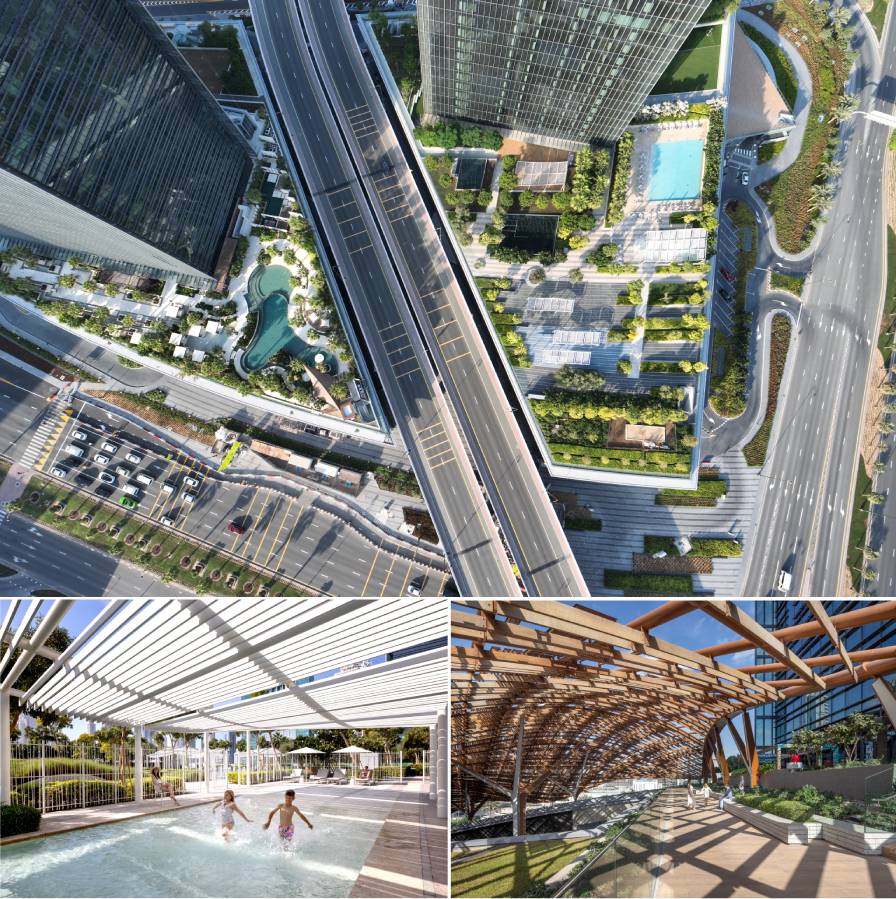
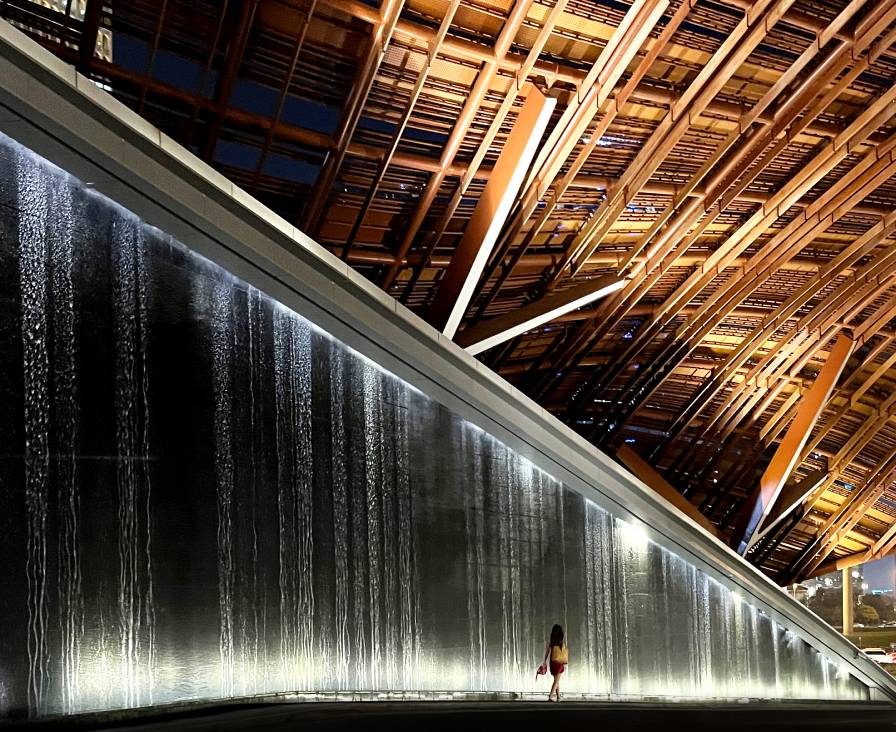
We came to understand just how precious water is, how vital eaves and tree shade are, and how important it is to spend time outdoors. This represented an environmental philosophy distinct from that of Japan or the West.So, we carefully unraveled the nature of water and greenery, the shape of the site crossed by a highway, and its location at the junction of nature and the city, gradually solidifying our concept.
An “Urban Oasis” that embodies the Dubai lifestyle
 © Nikken Sekkei
 © Nikken Sekkei
Dubai is a car-centric society, so it is common for people to travel directly from one destination—such as home to work—to another. Given this lifestyle, having a space that could be described as a “garden” right in front of one’s home can be considered a truly luxurious environment.
 Top © Courtesy of One Za’abeel; Bottom (2 photos) © Gerry O'Leary Photography
Plantings and Materials Adapted to the Harsh Climate of the Middle East
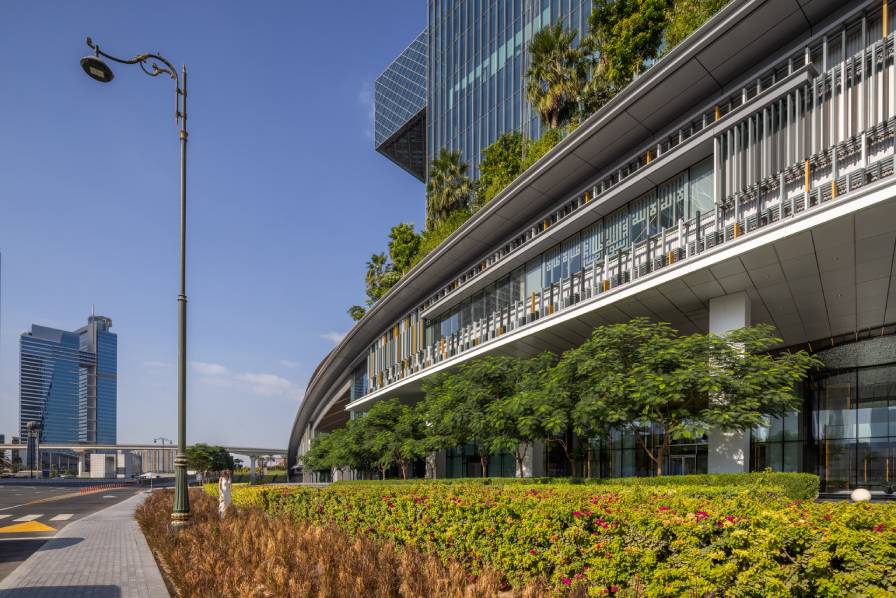
Collaboration with local partners is also crucial for overseas projects. For One Za’abeel, we partnered with Cracknell, a Dubai-based landscape architecture firm, to incorporate their expertise on the local climate, construction, and planting into the design.
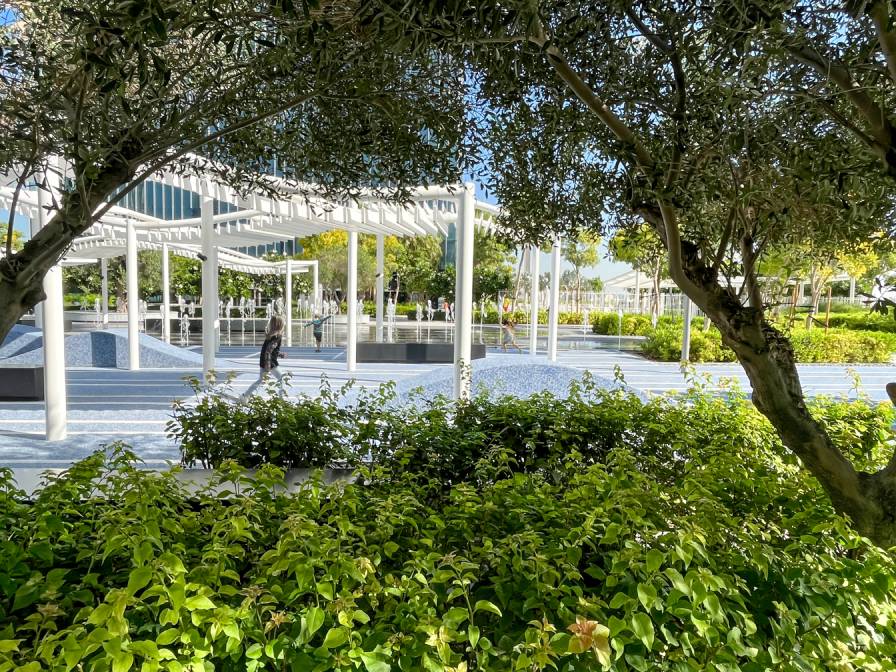
For example, we developed a material plan suited to the desert climate by using wood-effect tiles with excellent durability and low-maintenance properties for the deck areas and selecting lighter-colored paving stones to mitigate the heat.
 ©Gerry O'Leary Photography
 © Nikken Sekkei
Due to differences in the construction environment and culture, not everything went smoothly, of course. Nevertheless, we were able to complete a high-precision landscape that integrates seamlessly with the landmark architecture—overcoming geographical distance and cultural barriers—because we had firmly shared the core concept that formed the backbone of the design.
The value of landscape lies in “establishing a relationship with the city.”
What is essential in this process is to avoid preconceptions and carefully interpret the site. We must deeply understand the site’s history, culture, climate, and lifestyle, and integrate these elements into a single space while also taking into account local regulations and environmental conditions. Landscape design plays a role in balancing diverse conditions and fostering relationships that are appropriate for the site.
At Nikken Sekkei, we engage in landscape design projects around the world, and whether in Japan or abroad, the process remains the same. We objectively analyze the unique elements and conditions of each location to forge relationships between the city and its people that are appropriate to that specific site. It is this cumulative process that we consider to be the essence of landscape design.
 © Nikken Sekkei