
Untold Proposals for the Future – Nikken Sekkei's Professional Services
Part 2: Creating New Social Value Through Facade Engineering (Part 2)
SCROLL DOWN
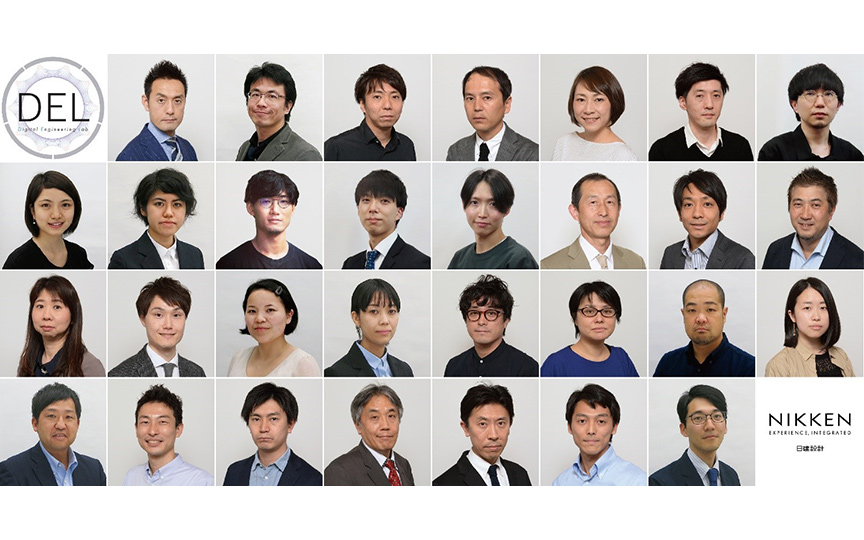
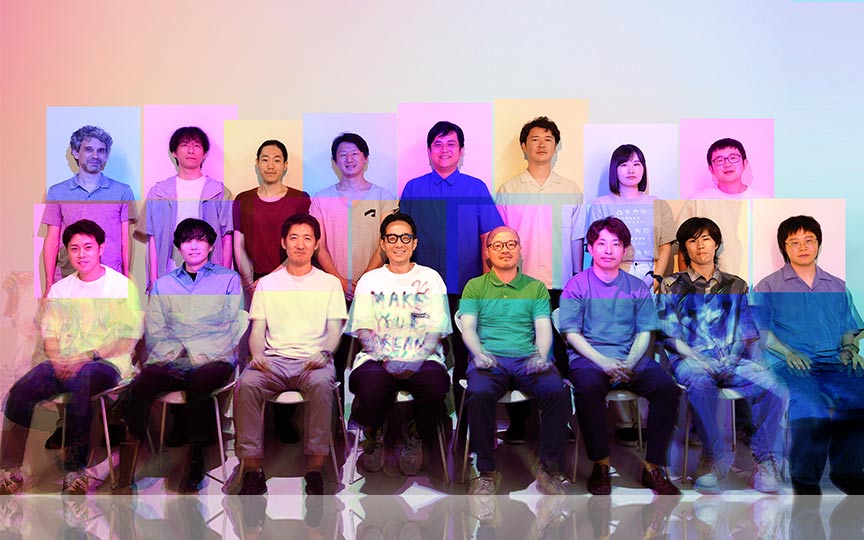
To propose new approaches to architecture with higher resolution by utilizing cutting-edge digital technology, Nikken Sekkei established the Digital Engineering Lab (DEL) in 2022, a group of engineers that leverages its extensive design experience and high level of expertise to provide technical proposals and design support.



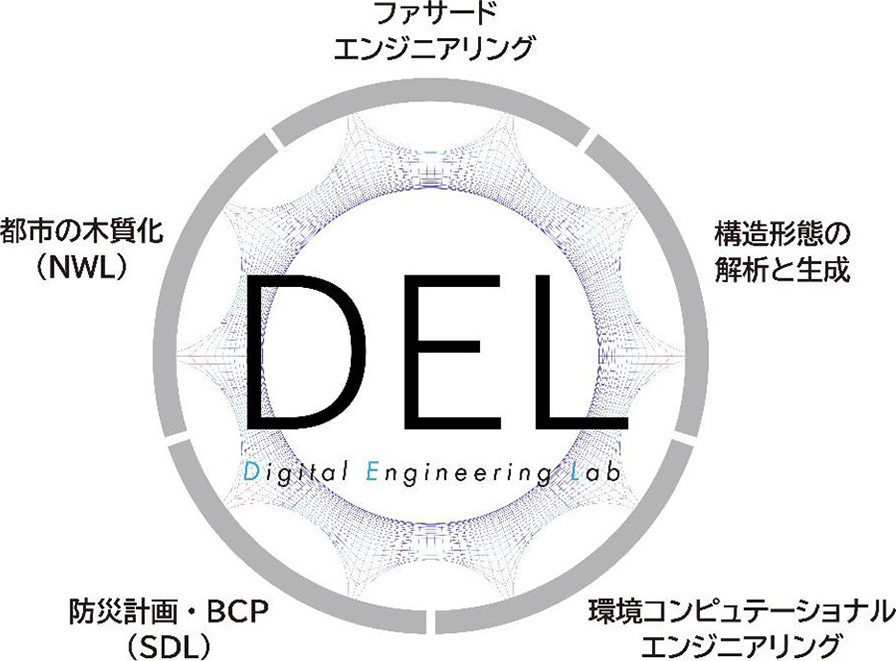 At DEL, five specialized teams provide technical proposals and design support for new and interdisciplinary design technologies required in modern architectural design and urban planning.
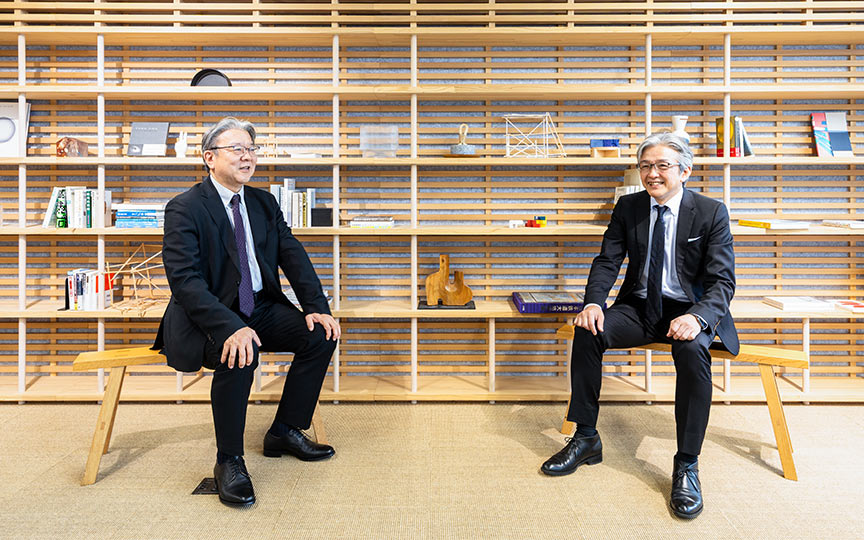
We spoke with Keishiro Tachi (Design & Technical Department, Tech Design Group Director), who leads facade engineering and environmental computational simulation at DEL, about the originality of Nikken Sekkei’s facade design and the social value it brings.
Achieving decarbonization through facade improvements for small and medium-sized buildings — Envi-lope series
In particular, Nikken Sekkei has named a new environmentally conscious exterior system, focusing on small and medium-sized buildings in urban areas, "Envi-lope," and is working to develop it into a series. Envi-lope is a coined word combining Environment and Envelope, and proposes an exterior envelope with a low environmental impact.
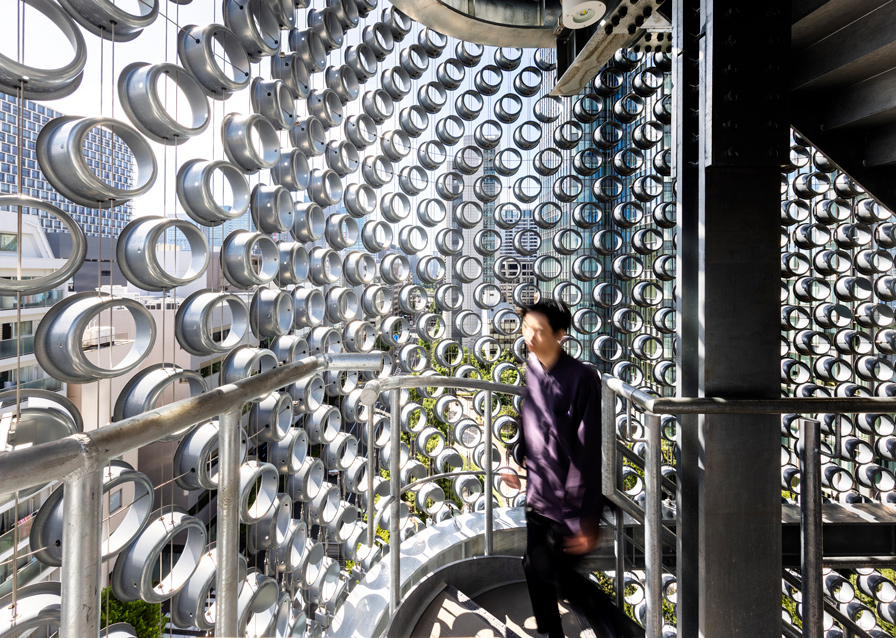 🄫 Harunori Noda [Gankohsha]
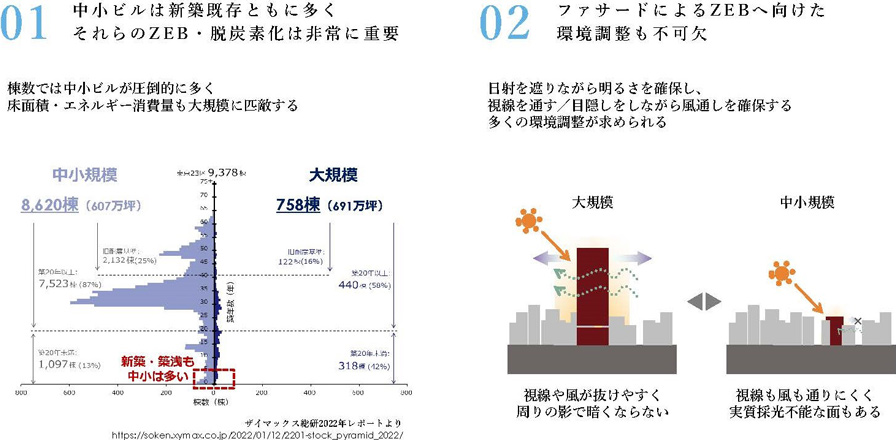 There are many small and medium-sized buildings, both new and existing, and there is a growing need to reduce energy consumption and adjust the environment through facades.
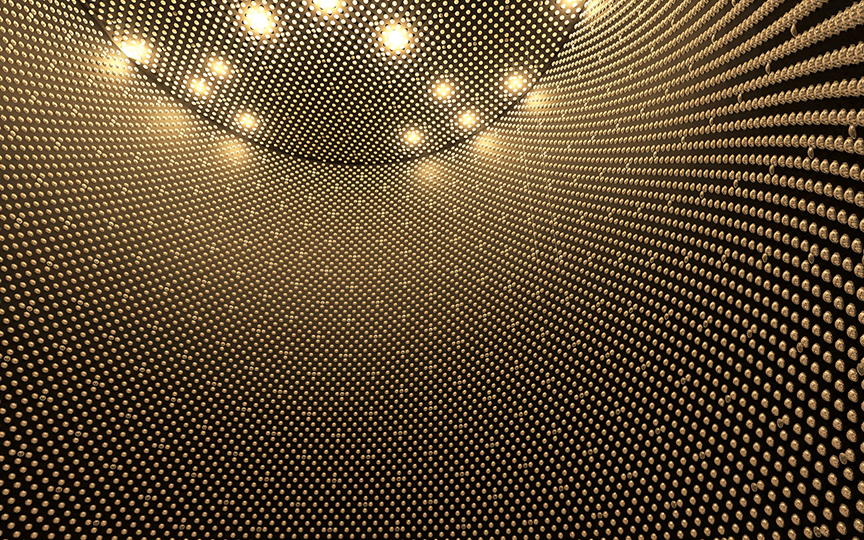
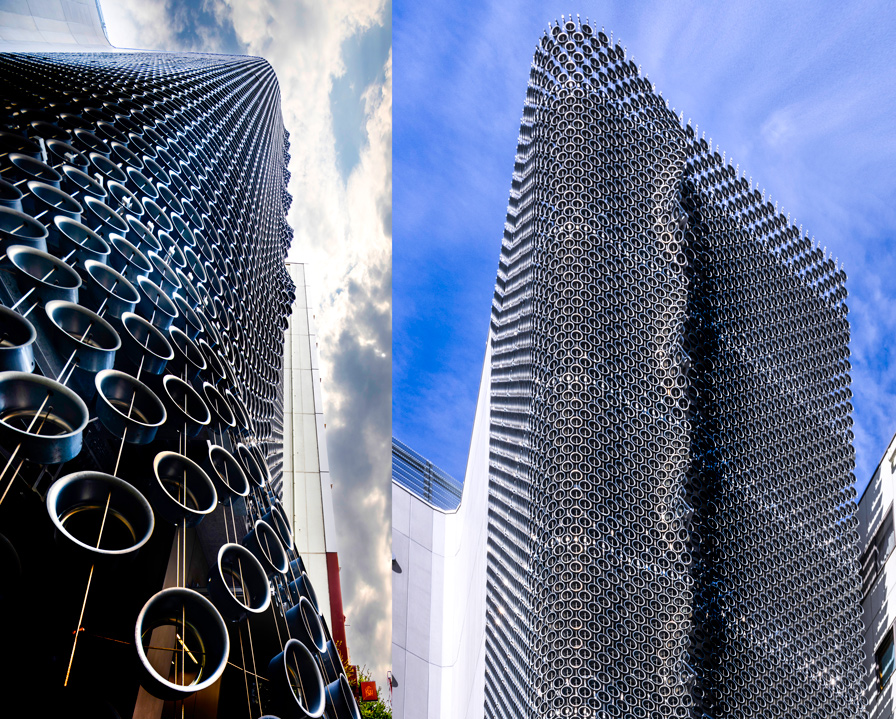 "Jimbocho SFI," an exterior clad in a shell of cylindrical metal pieces connected by wire 🄫 Harunori Noda [Gankohsha]
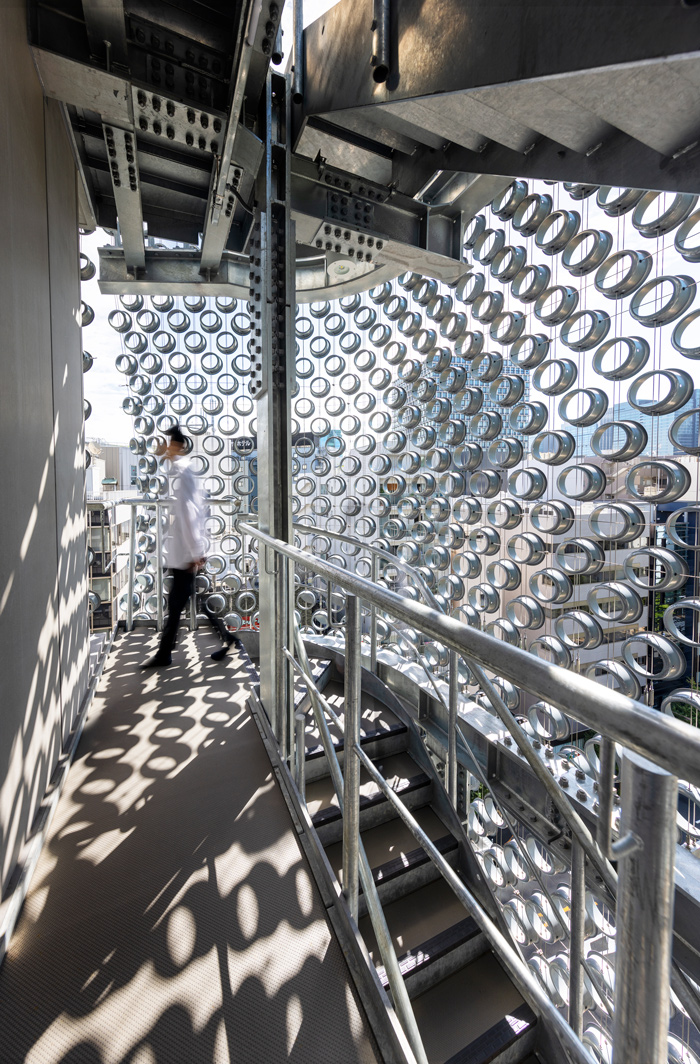 At "Jimbocho SFI," the perforated metal facade provides shade from the sun while maintaining brightness and views. 🄫 Harunori Noda [Gankohsha]
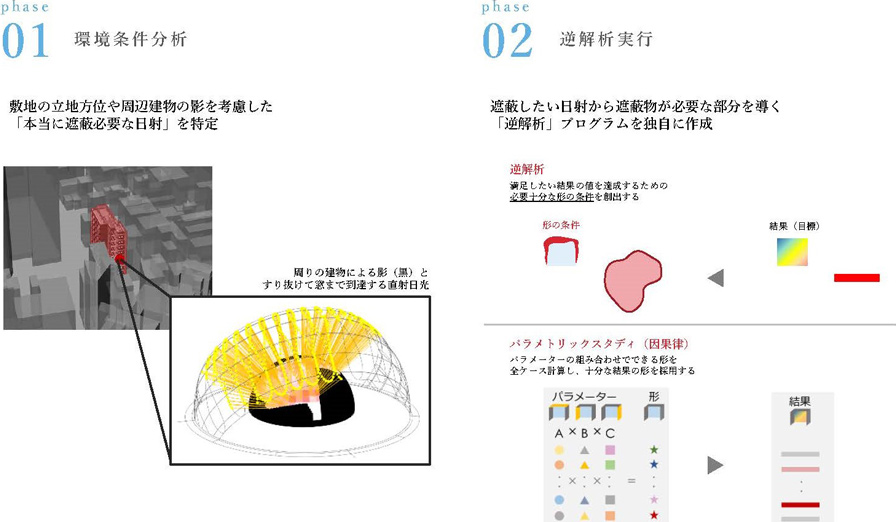 By meticulously analyzing the relationship between the sun's movement and surrounding buildings, we can reverse-analyze the position and shape of shading objects based on the amount of solar radiation that requires shading.
This metal fitting has crescent-shaped holes to allow visibility and airflow in areas where sun shading is not needed. The ideal location and type of holes vary depending on the orientation and height, so various hole patterns are possible. After conducting numerous simulations and clarifying the conditions, DEL arrived at the optimization of a cylindrical unit. This solution showed that covering the entire surface with just two types of metal fittings provides approximately 70% sun shading, approximately 70% openness, and approximately 70% visibility.
The components themselves are simple, but the installation locations are complex. How was the installation carried out?
Using a computer, we identified areas where sun shading was needed and determined the optimal shape for the metal fittings, including the orientation of the holes, mounting direction, and height. Based on this data, DEL devised a manufacturing control method that automatically attaches the metal fittings to the wires using machinery.
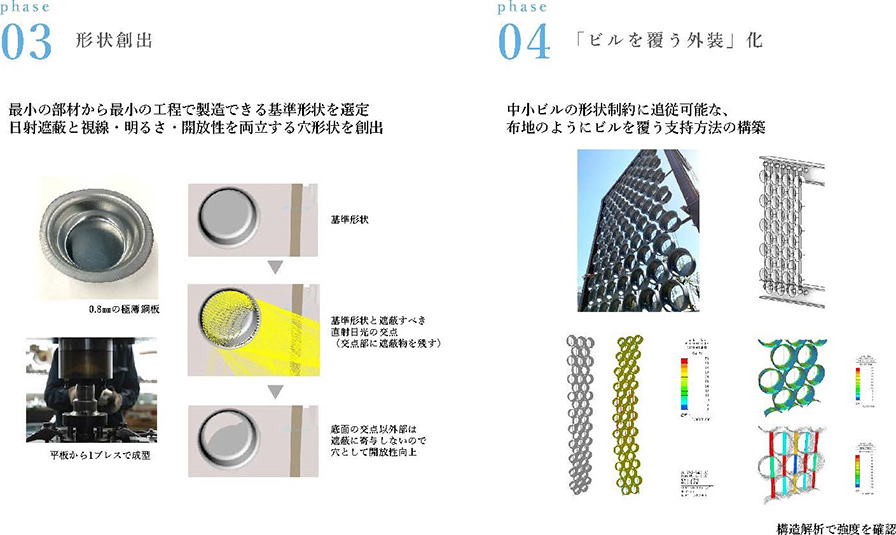 We considered the shape of holes to be drilled in metal components that balance sun shading with views and brightness. We determined the optimal mounting angle of the metal components based on orientation and height.
In small and medium-sized buildings, areas such as equipment balconies and fire escapes are often exposed on the surface. By completely covering these areas with an outer shell, we contribute to improving the streetscape. After completion, we verified the brightness of the sunlight shining through this mold and found that it created a light environment similar to the dappled sunlight that people find pleasant. The Envi-lope series, which creates spaces that people find pleasant while reducing environmental impact through the design of an outer shell covering small and medium-sized buildings, is currently in the development of its second phase.
Facades require consideration of all aspects, including environmental control, structure, details such as watertightness and airtightness, cost, and maintenance, and have a significant impact on the environment both inside and outside the building. In response, DEL offers technical studies and proposals for modern facades from both the perspectives of cutting-edge digital technology and manufacturing. In the initial stages of design, we maximize the added value of the building through studies using digital technology, such as simulations. From the mid-stage of design to the on-site manufacturing stage, we provide support to realize the design concept while rationalizing costs and constructability.
Building facades require not only environmental performance but also various social values such as views and design. It is precisely our strength as a group of engineers with diverse expertise that lies in our sincere approach to these complex challenges.
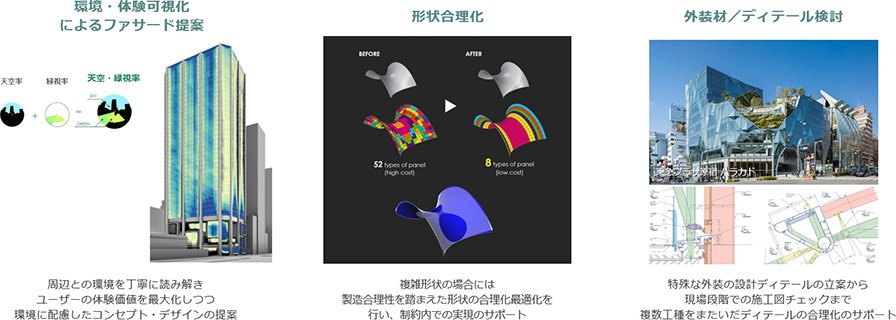 Facade engineering by Nikken Sekkei's DEL (top right): ©SS