
Internet of Things
SCROLL DOWN
Architectural spaces where people carry out activities. Until now, we have aimed to correct individual systems to meet direct desires for factors like brightness, hotness and/or coldness.
Now when we are heading into Society 5.0, we want to bring the IoT (Internet of Things) into and around buildings and collect all kinds of latent, human-centered information for cross-cutting analysis and coordination, in order to create spaces for health, happiness, and energy conservation, which will lead to higher human creativity.



What We Expect from the IoT
Creating Even More Comfortable Spaces
by Sensing Human Happiness Levels
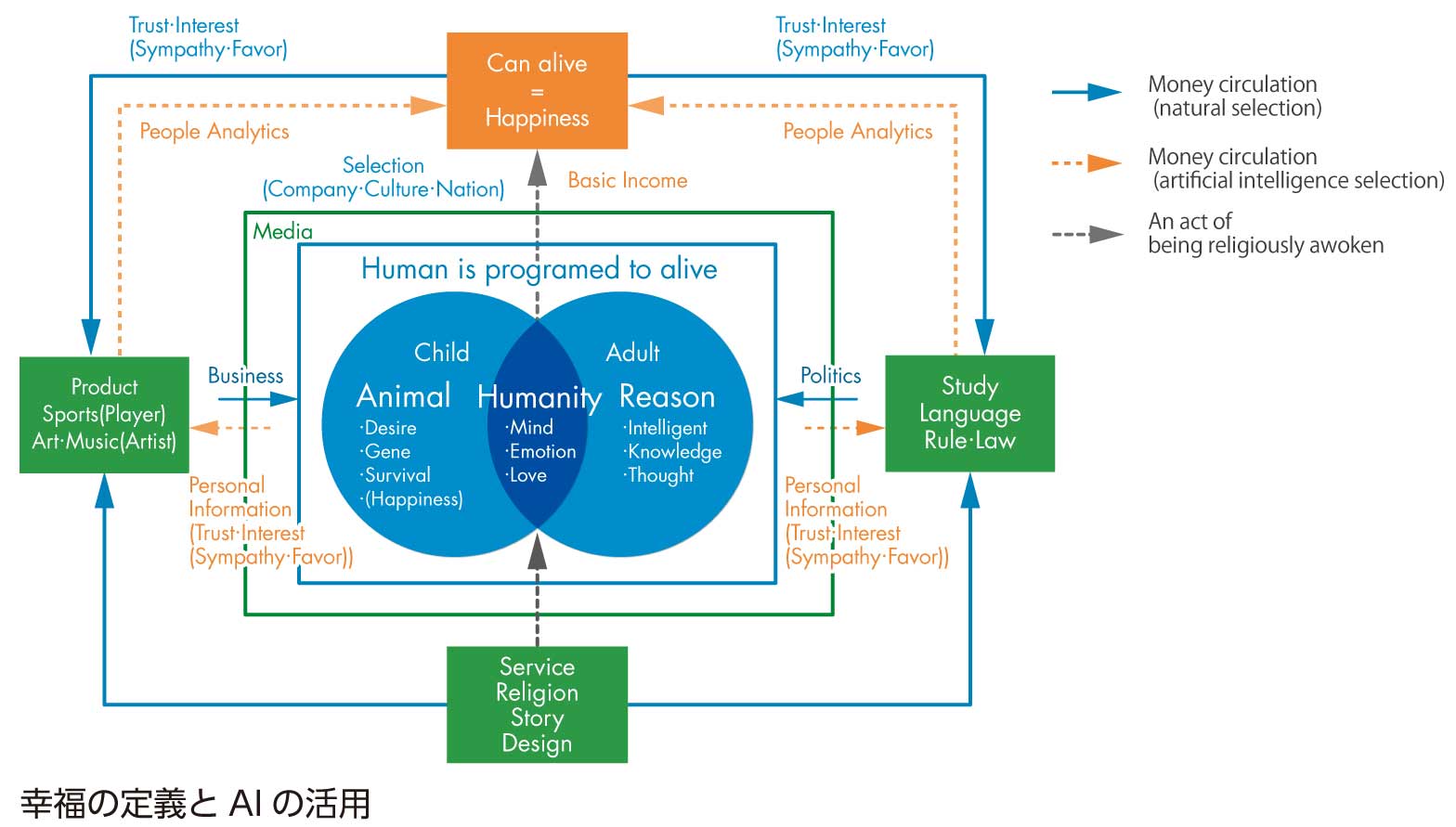
IoT can gather these happiness levels, and AI can be used for optimization and accuracy improvement. Various proving experiments are now just getting under way, but it would hopefully become possible to realize architectural spaces and urban spaces which can achieve “human-centered environments for high happiness levels,” which are called Society5.0, and which can “maximize human performance.”
Data Platforms That Create New Value
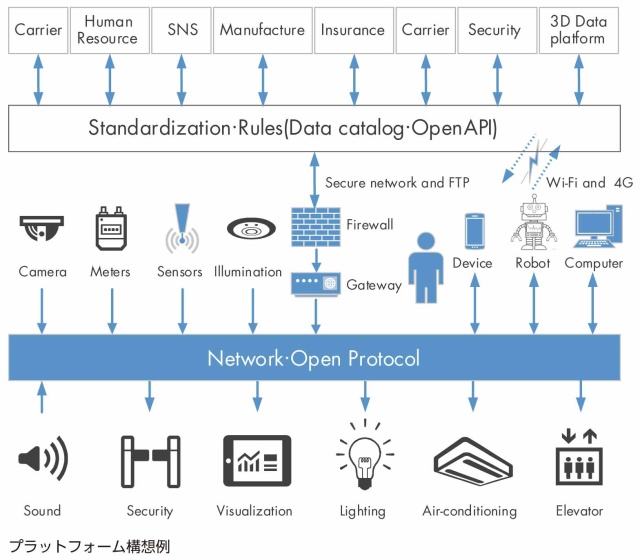
The data gains value when it is accumulated and analyzed. Also, combining data of different types can create new services. Security is now examined how to ensure safety in saving and sharing data using the Cloud, and to build data gathering rules, towards storing and sharing data on multiple buildings in the Cloud.
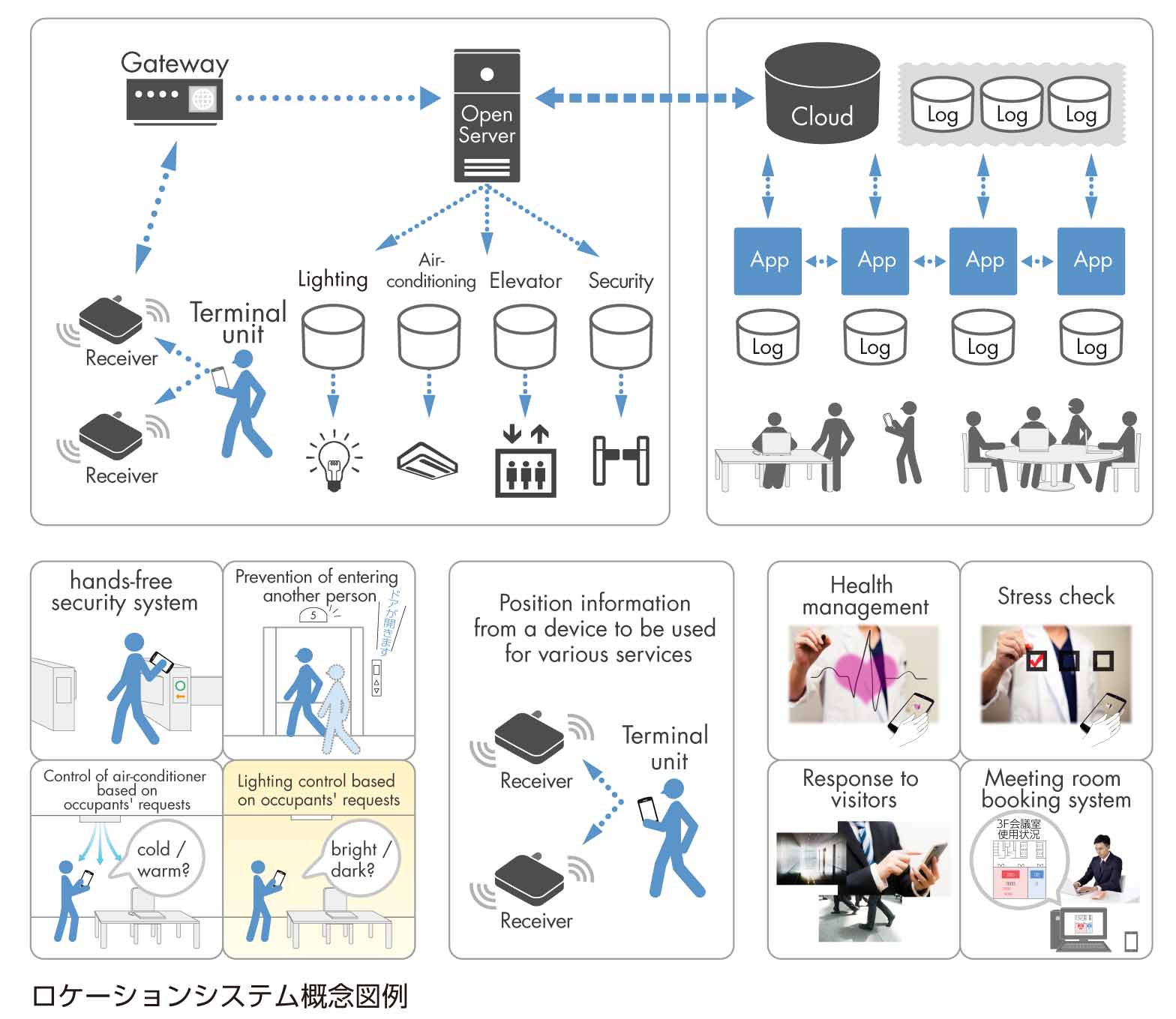
Location Systems That Provide Diverse Services
In exterior spaces, GPS and the Internet are already making living environments far more convenient, and it is certain to become the standard for interior spaces, too, in the future. It is also expected that the technology will advance to coordinate 3D model data and map coordinates (urban coordinates).

Meeting the Environmental Demands of Individual Office Workers
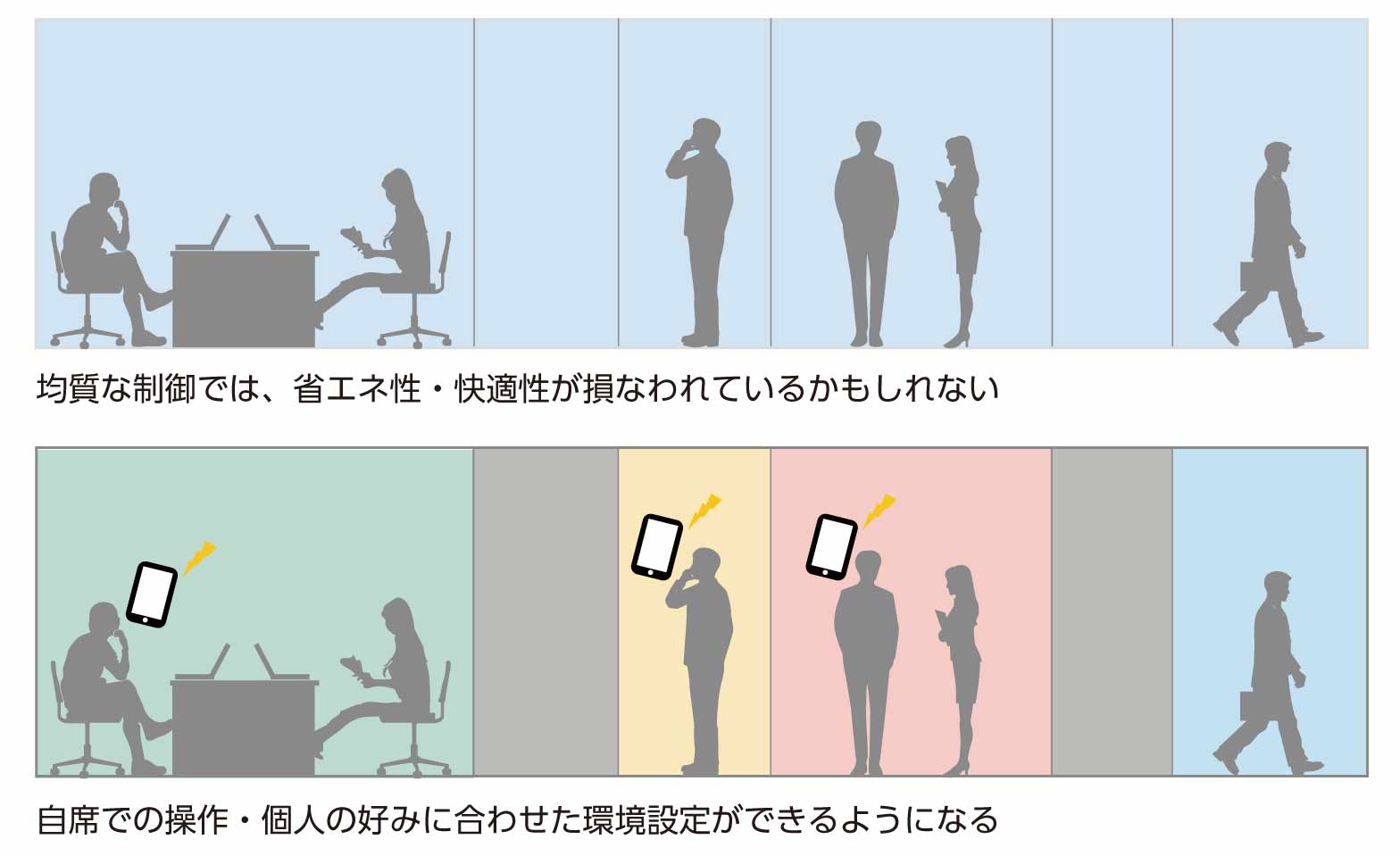 With uniform control, energy efficiency and comfort may be compromised.
>画像を拡大する
>佐藤孝輔
>谷口洋平
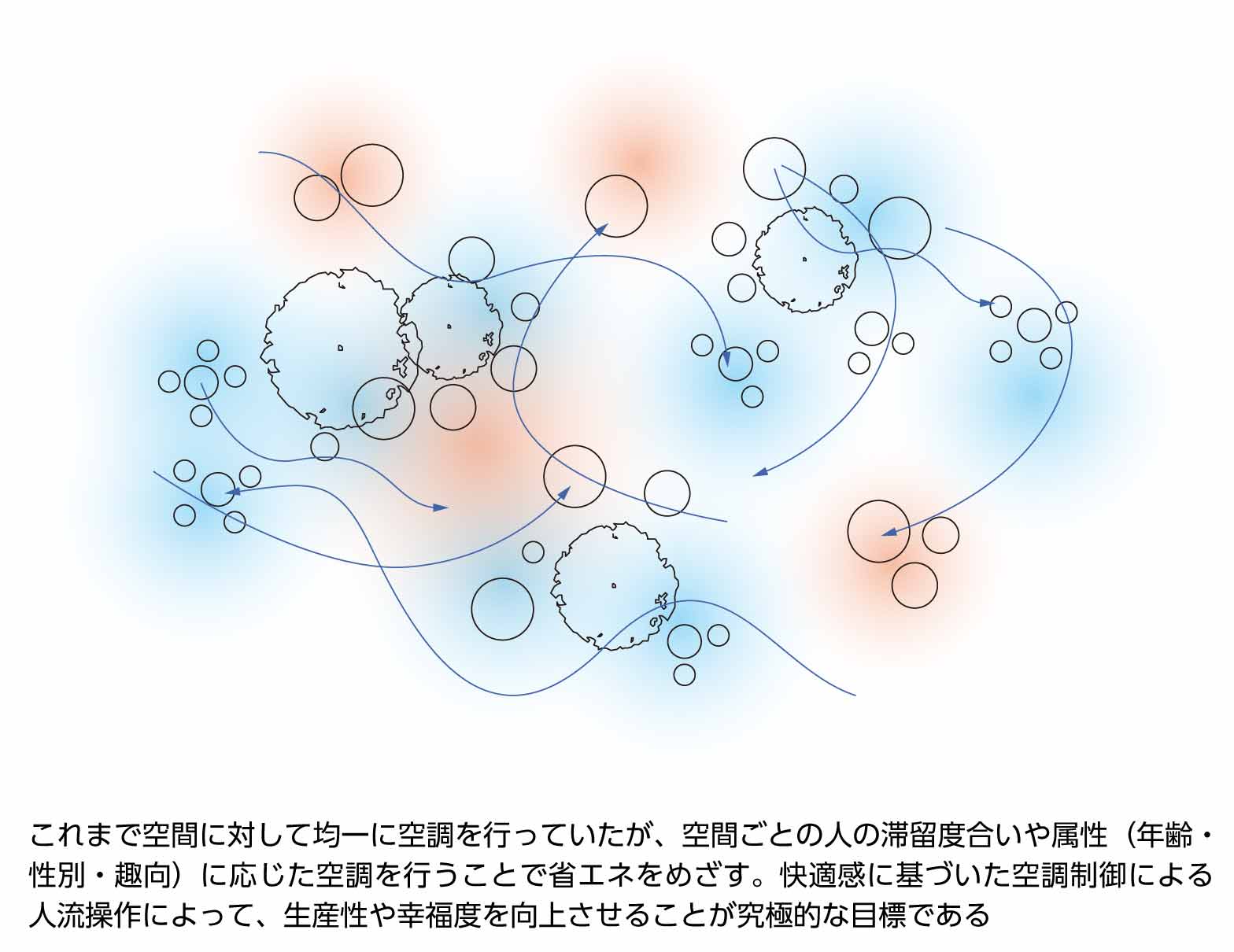
AI to Control Air Conditioning
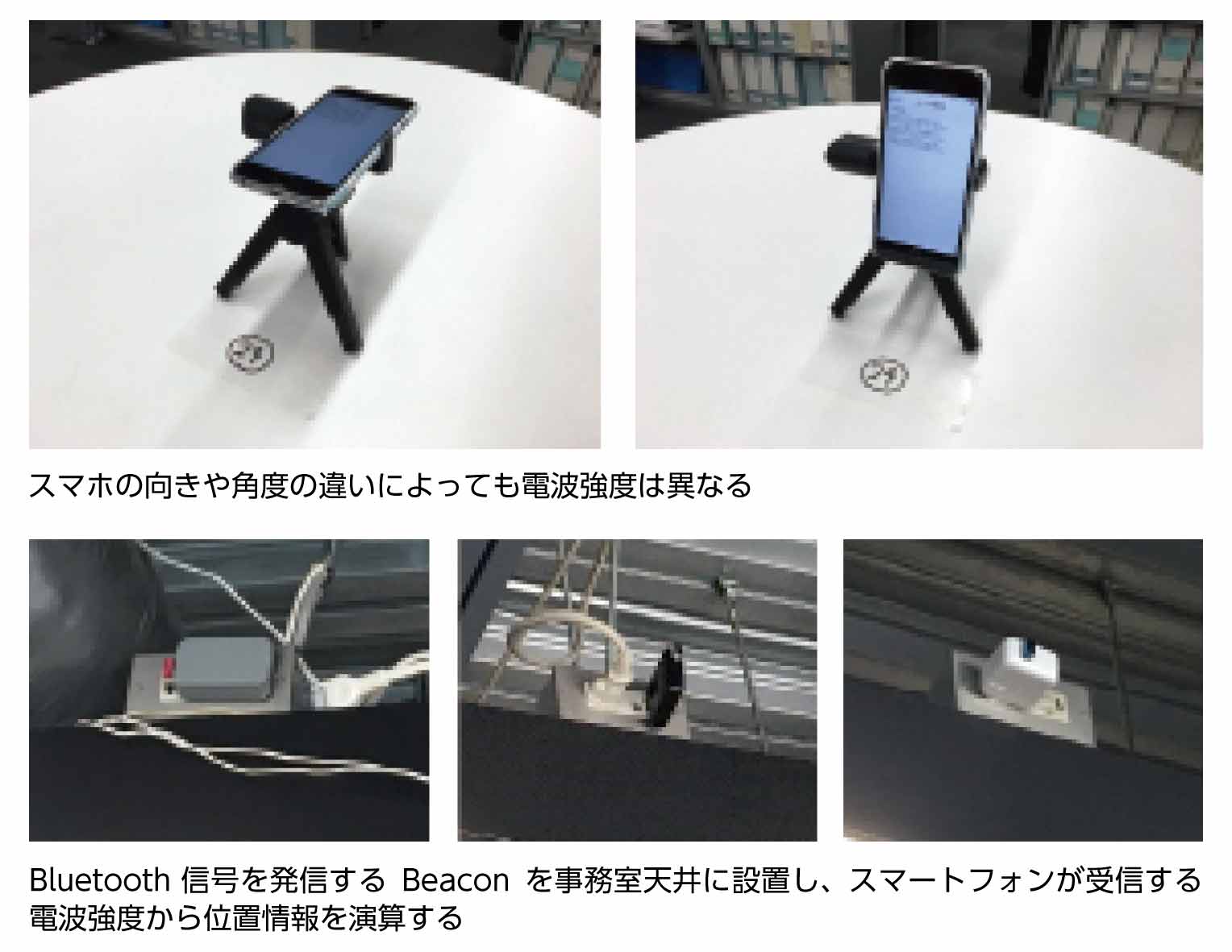
Technology to Acquire Position Information—Using Bluetooth
>Enlarge the image
>Yohei Taniguchi
Technology to Acquire Position Information—Using Geomagnetism
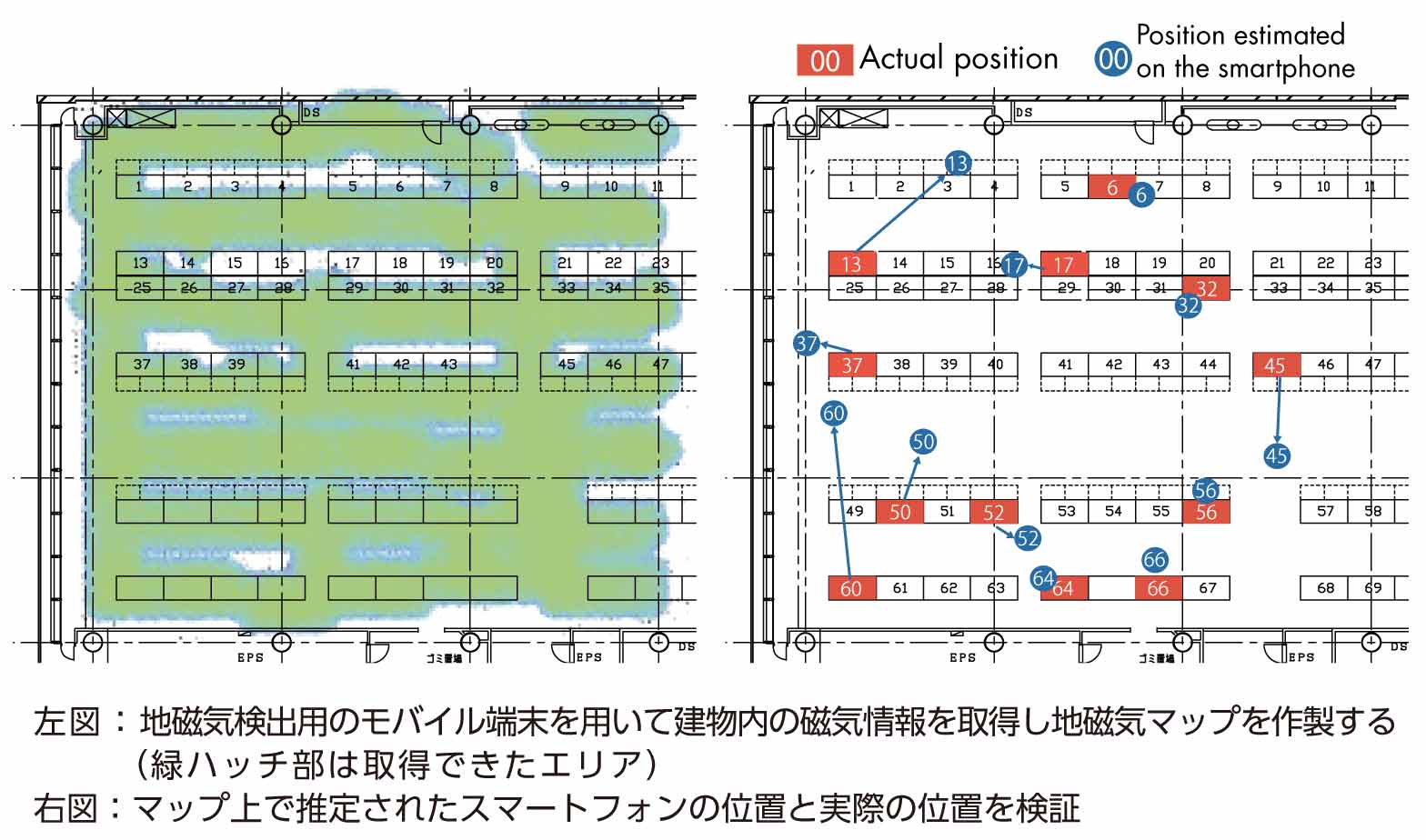
>Shogo Takeda
>Yohei Taniguchi
>Kosuke Yoshida
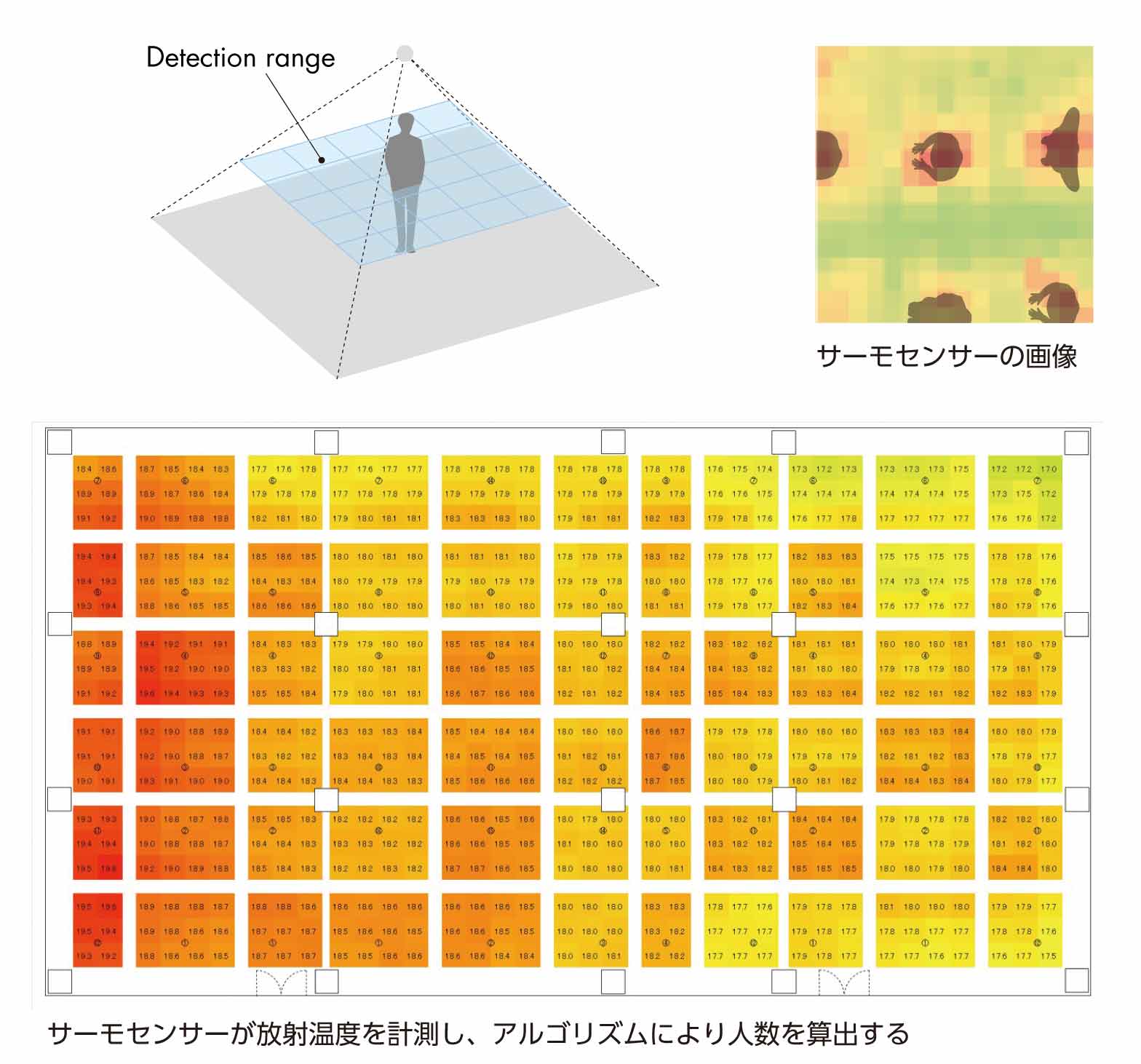
Thermosensors to Find Numbers of Room Occupants
Visualizing the Vacancy of Lavatory Booths
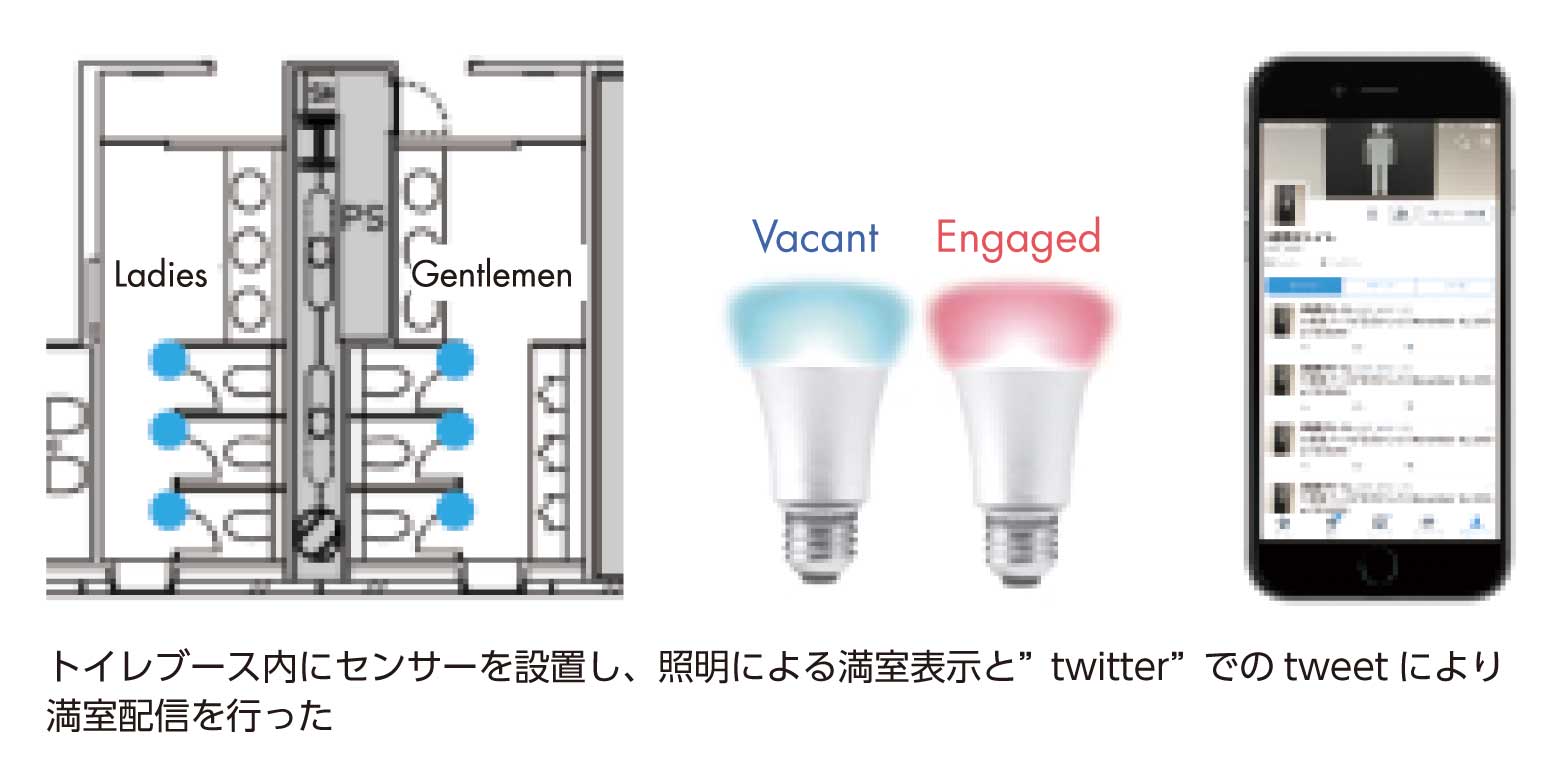 Sensors were installed inside the restroom stalls to indicate when a stall was occupied via lighting and to post updates on Twitter.
>画像を拡大する
>佐藤孝輔
>平田裕信
Adaptable Lighting Achieves Transformation in the Workplace
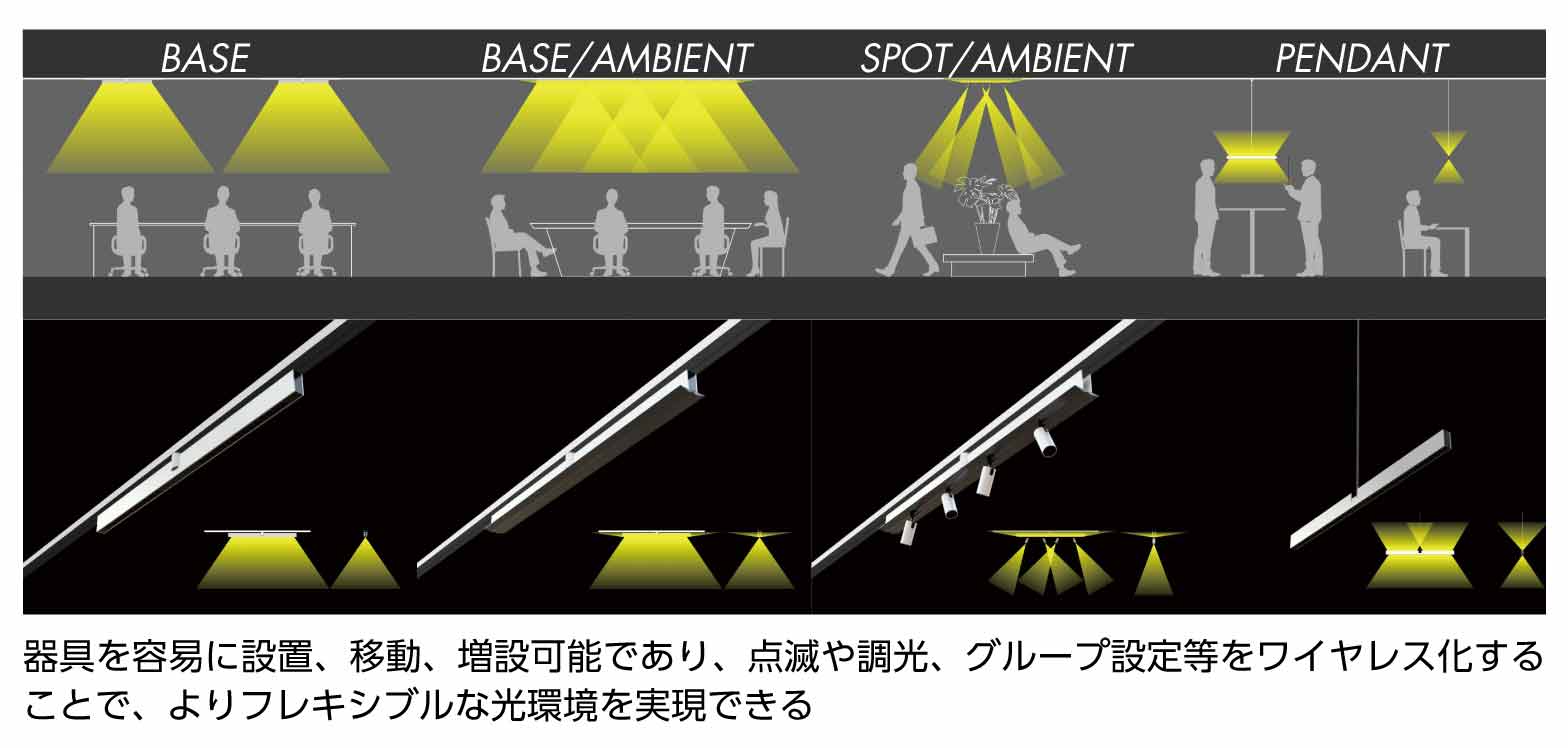 The fixtures can be easily installed, moved, and expanded, and by enabling wireless control of functions such as flashing, dimming, and group settings, a more flexible lighting environment can be achieved.
>画像を拡大する
>横田雄史
>楠田貴昭
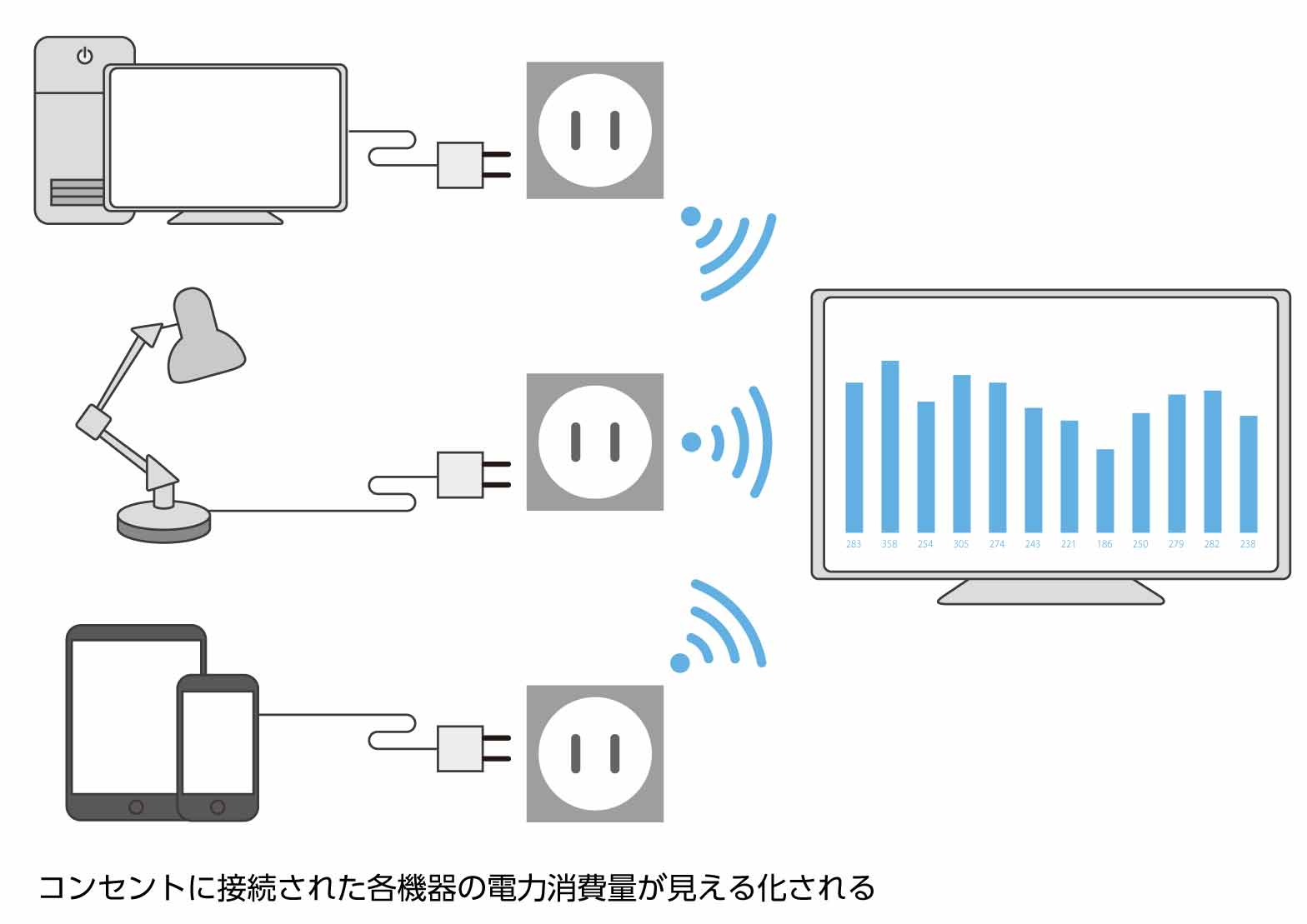
Using Smart Outlets to Reduce Power Use in Offices
>画像を拡大する
>川合満男
>山岸陽子