
WELLNESS
Designing offices with “WELLNESS” as the next-generation keyword

SCROLL DOWN

A survey of office environment design among office tenants found that 73% of them put importance on interior environments. That underlines the fact that 67% of them see shortage of workers as a risk. The aim until now has been to produce high-quality, uniform office space with small amounts of energy, but offices now are expected to adapt to changing workstyles, and allow office workers to work in good health and with high intellectual productivity. That background has prompted the development of “WELL Building Standard”, in Japan and overseas. It is an era of change, so that interior environments, which are important from the wellness perspective, are now being designed comprehensively, to incorporate numerous factors, such as radiation, air quality, humidity, and colors, with the aim of providing diverse environments.

WELLNESS will change the architectural space design

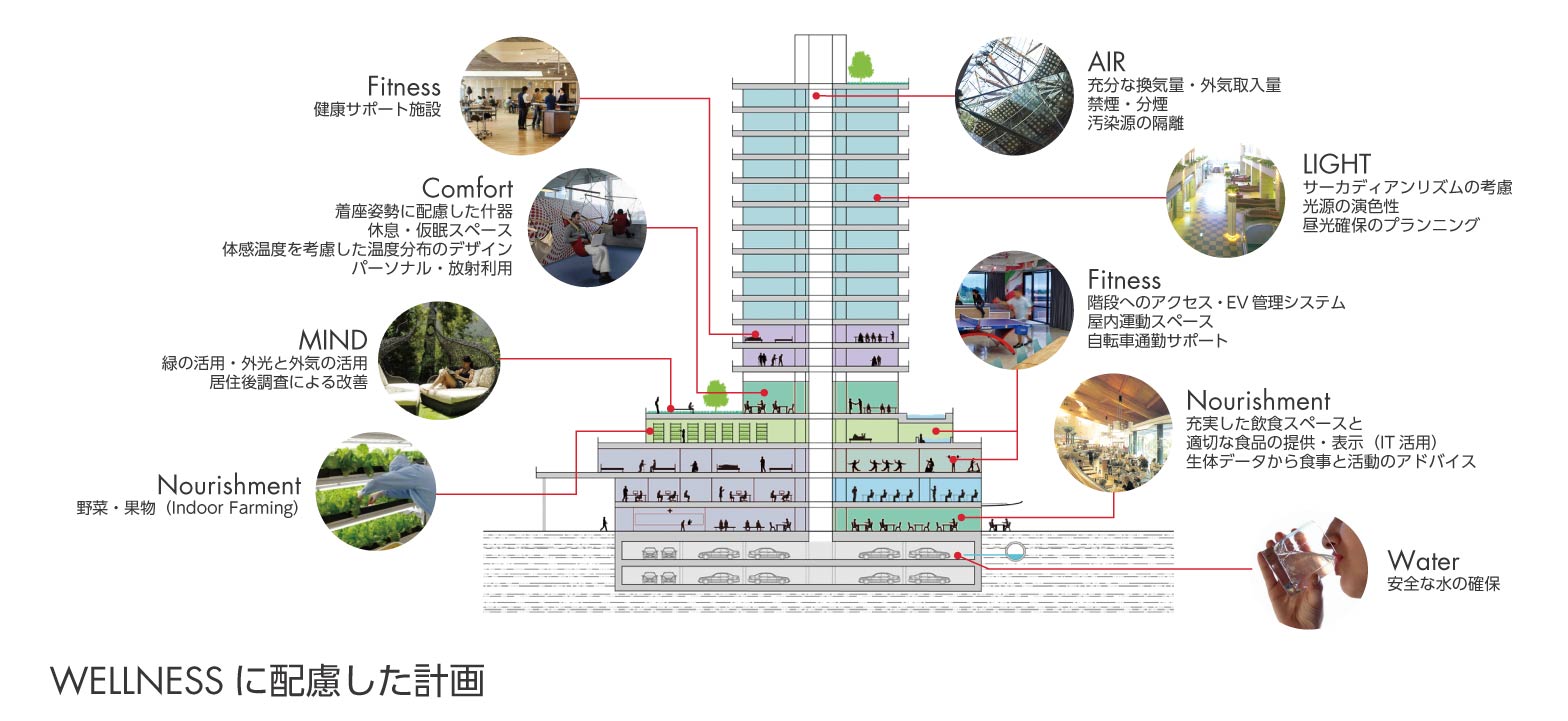
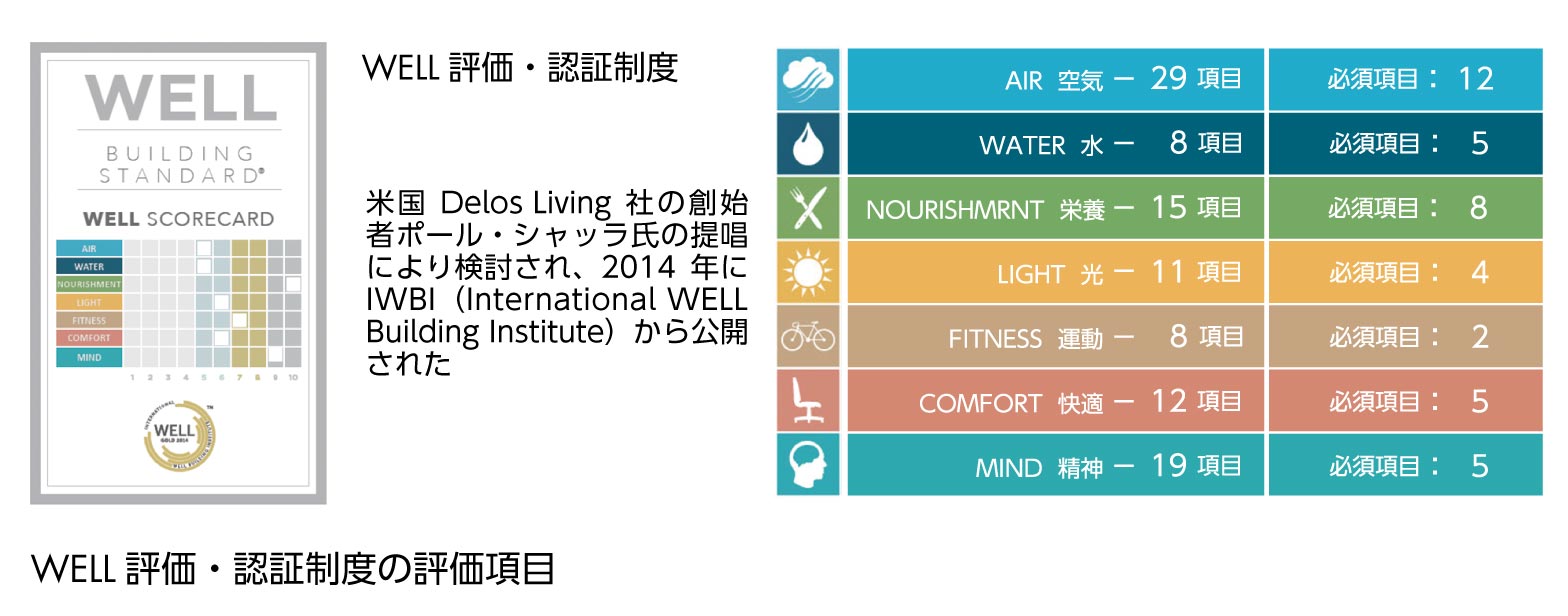
It has been calculated that if office utility costs are set as “1”, rent is “10”, and worker salaries are “100.” That means that an office designed with worker health in mind has a high added value. It has also become clear that the design of interior environments has a major impact on intellectual productivity. Against that background, the WELL Building Standard was developed to assess “offices which are comfortable and good for the health of the people who inhabit the building”. The seven assessment items are air, water, nourishment, light, fitness, comfort, and mind. Compared to previous building assessment indices, WELL places more emphasis on management principles and workers’ diverse behaviors.
In Wellness design, it is important to have a deep understanding of human physiology, as well as of changing of workstyles. People in the latest offices use cafes as work spaces, and there are napping rooms where people can refresh themselves by taking a nap. The optimum interior environment must be offered in each of these diverse spaces, based on human physiology. To that end, environmental control of aspects such as humidity, radiation, color, and odor, becomes necessary, in addition to the kind of design that has previously emphasized air temperature and brightness. For example, in hospital rooms which use radiant cooling, measurement has confirmed that needless body movement during sleep, due to air conditioner drafts, has almost completely ceased.
Radiant Heating and Cooling Is a Keyword for WELLNESS

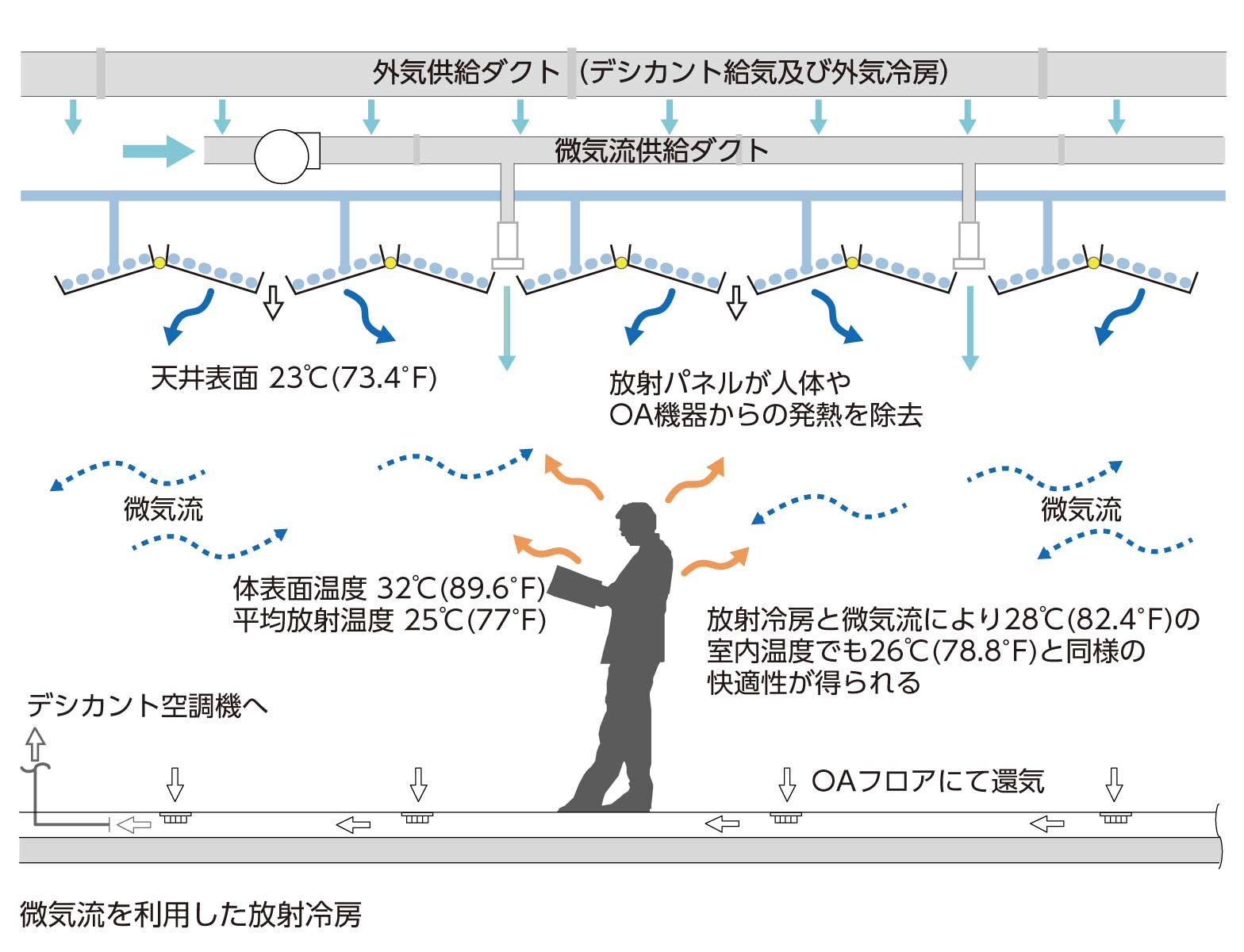
From the perspective of wellness, it is important for thermal loads on the human body to be small. Radiant cooling controls the surface temperatures of the walls, ceilings, and floors that surround the human body. That method can form a superior thermal environment, which imposes little thermal burden on the body. Research cases have been presented in which body exergy is smallest (i.e. the load on the body is small) in a thermal environment where MRT (Mean Radiant Temperature) is 2°C lower than air temperature.
It may somehow make occupants feel hot and stressed when the thermal environment is too still. In some cases, radiant cooling has been adopted that controls a slight and subtle air flow, to provide a feeling of coolness and to lower stress.
The TABS (Thermal Active Building System) has been proposed as a system for cooling concrete structural frames at night and then using their radiant cooling to handle interior loads during the day. TABS uses the heat capacity of the structural frame, so it can be used as a demand response tool, making it possible to cut the capacity of heat sources. The large surface area of the concrete structural frame can be used as radiant surfaces, which makes it possible to build low-cost radiant cooling systems.

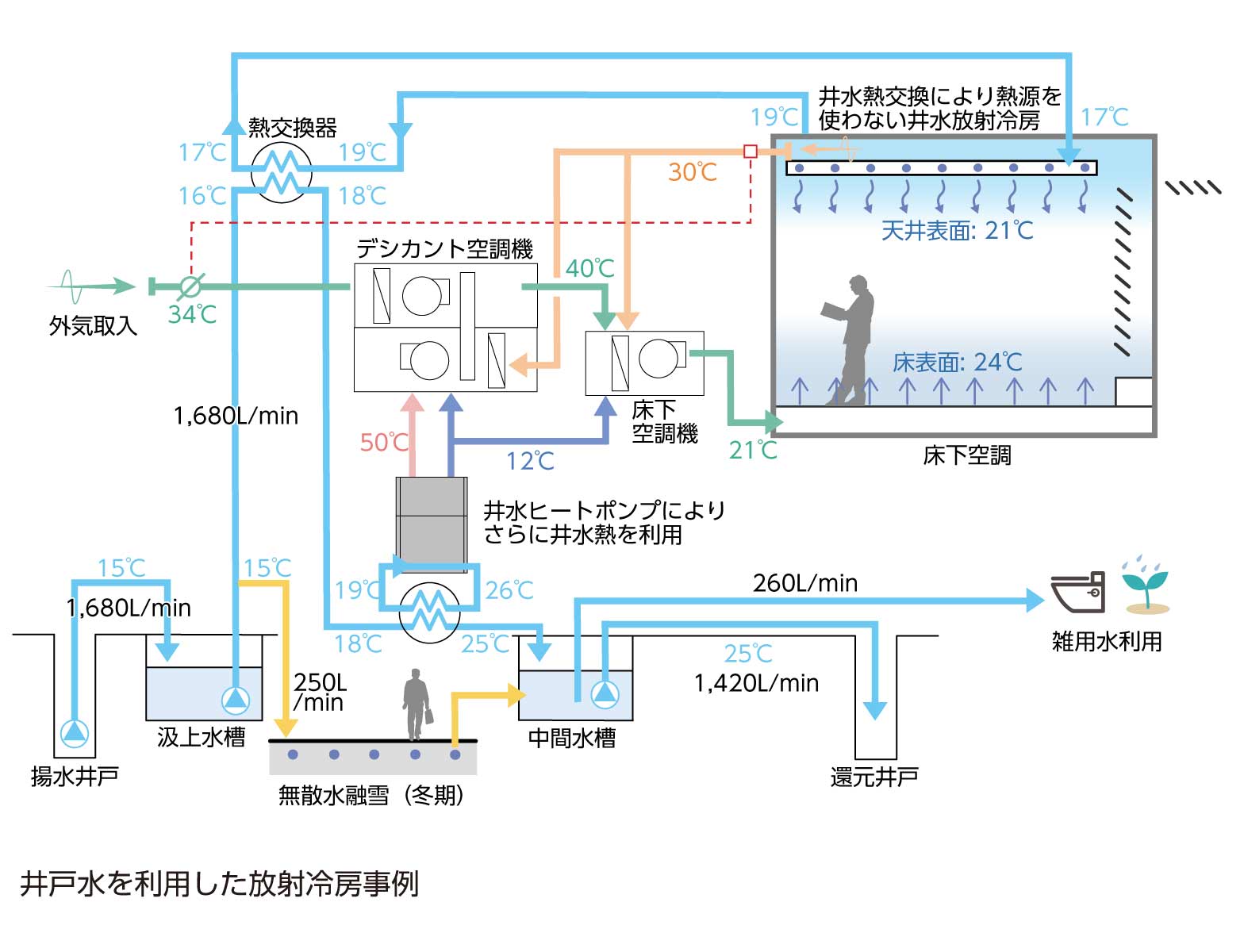
Ordinary air conditioning requires chilled water at around 7°C, but radiant cooling can function with chilled water at around 17°C. Well water, which is cool even in summer, is a good fit with radiant cooling, and circulating well water through radiant panels can provide cooling from natural energy. When a high-quality interior environment is achieved using systems that use the potential of nature, that feels good for the occupants.

Air Effectively Humidified within 30cm from Personal Humidifier
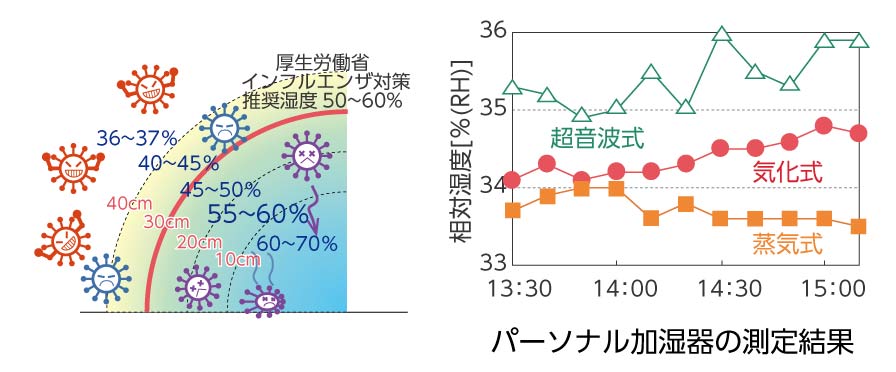
 小型加湿器を使って、オフィス空間でどれだけ局所的な加湿ができるか?これまで熱と気流をコントロールしてきたパーソナル空調に、湿度コントロール機能を加え、湿度に対する嗜好の個人差に対応できる新パーソナル空調を提案。(野口尚子)
>画像を拡大する
>野口尚子

Enriching Air with Indoor Foliage
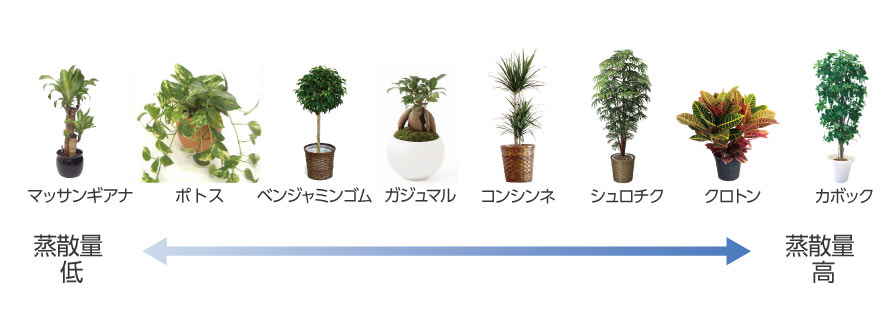
 室内緑化は、視覚的な効果に加えて、蒸散による加湿や空気浄化効果がある。樹種によってそれらの効果は異なり、樹種の選択で健康に配慮できる可能性がある。(安澤百合子)
>画像を拡大する
>安澤百合子

5% Working Hour Decrease by Staggered Time
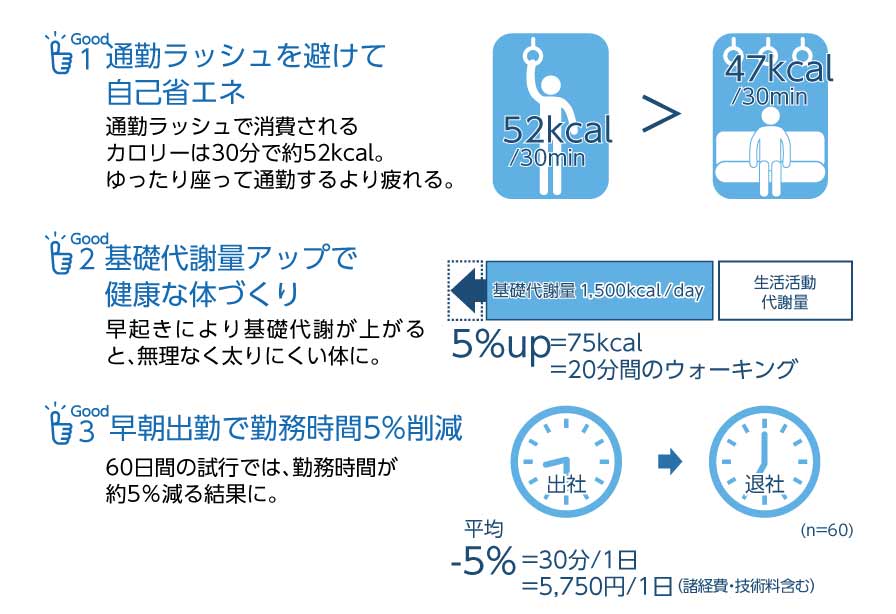
 時差BIZを実際に体験し、その効果を定量的に把握した。疲労を軽減し仕事に活力を向けられ、健康な体づくりにも寄与し、ワークライフバランスの観点からも有効である。(久保木真俊)
>画像を拡大する
>久保木真俊

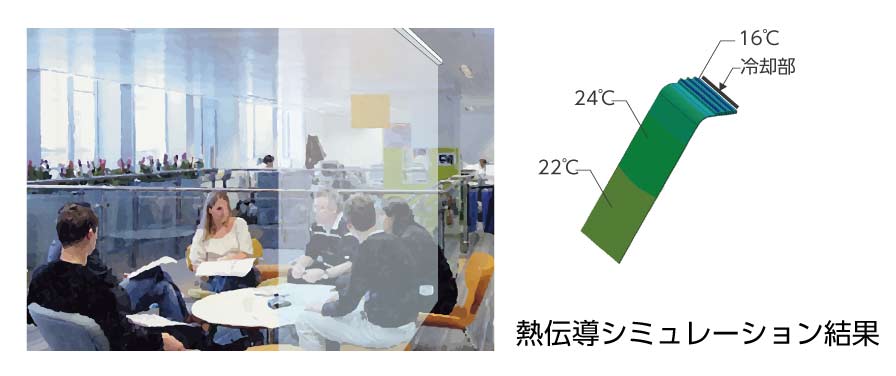
Portable Radiation Screen

 「より手軽に」「より身近に」「必要な時だけ」使うことができる薄膜を放射面とするスクリーン型の放射冷暖房装置を提案する。シミュレーションにより素材と厚さを検討。(舘 景士郎)
>画像を拡大する
>舘 景士郎

What Happens in Low Humidity Environment?
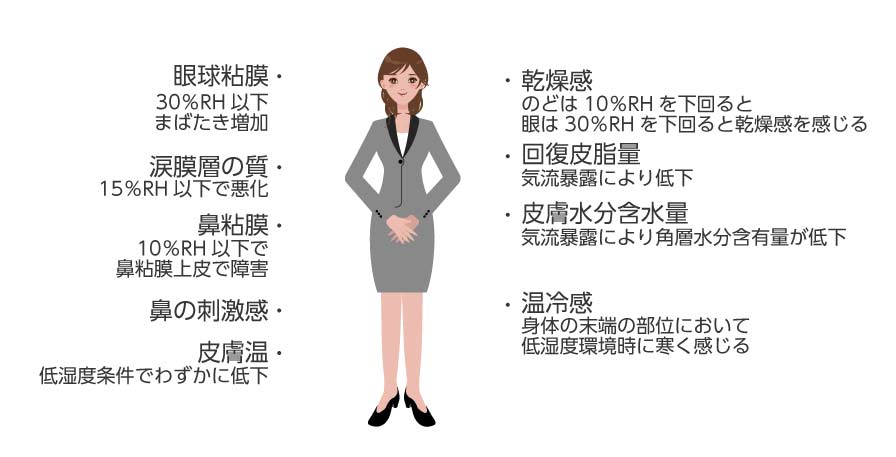
 低湿度は人の体にさまざまな影響を及ぼす。高品質な室内環境を実現するためには湿度のコントロールが必須。乾燥には気流の影響もあり、併せて配慮が必要となる。(安澤百合子)
>画像を拡大する
>安澤百合子

Relaxing Colors and Stimulating Colors
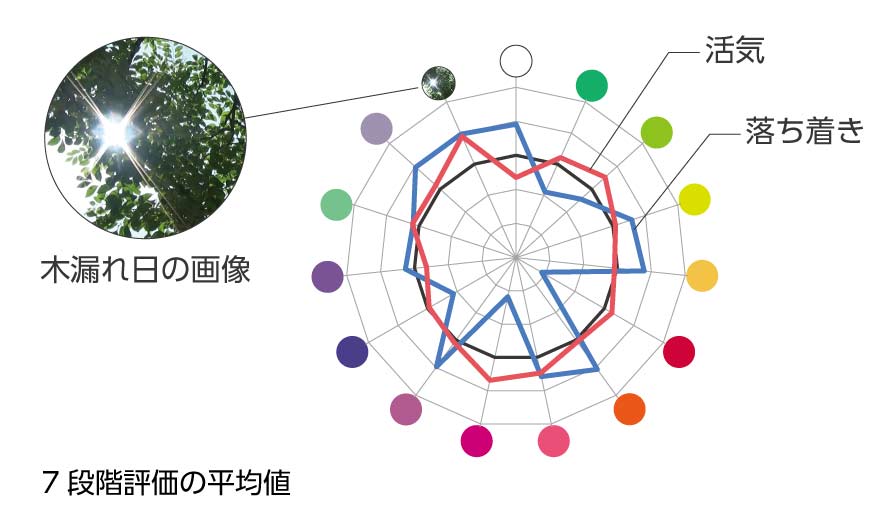
 「落ち着き」や「活気」を感じる色はどれかを実験で確認した。例えば、オレンジ色・紫色で「落ち着く」の申告が多かった。小型で高い制御性を持つLEDの普及により、人の生理・心理を考慮した付加価値を持つ光環境の実現が可能となってきている。(綿貫 將)
>画像を拡大する
>綿貫 將

The Ultimate Personal Wearable Heating and Cooling
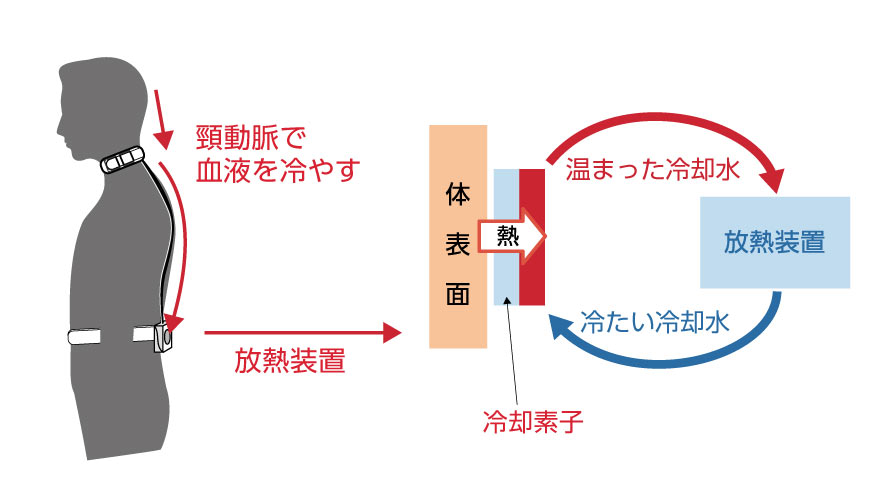
 身体的な個人差やその時々の活動量の差に即座に対応できる冷暖房の究極の姿が、ウェアラブル冷暖房である。身体への負担やストレスをどの程度低減できるのか、建築空間へどのように応用するかを検討。(藤井拓郎、田端康宏)
>画像を拡大する
>藤井拓郎
>田端康宏

VDT Brightness for Computer Eye Strain Relief
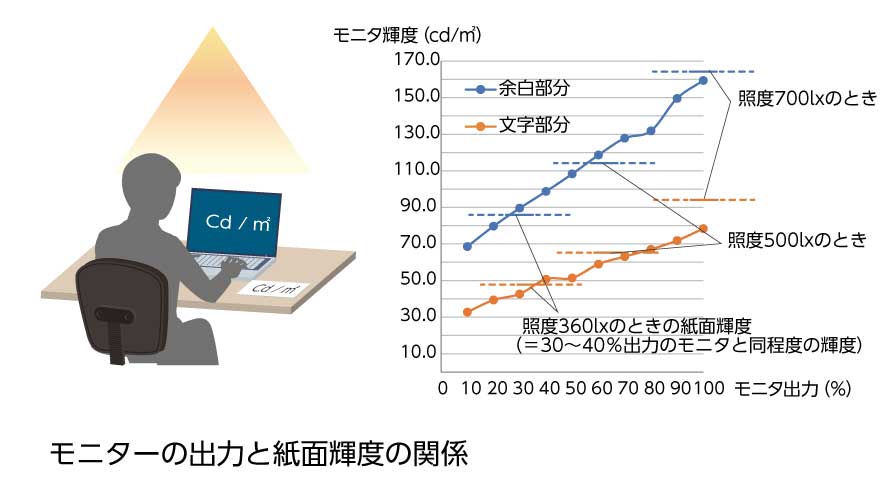
 モニターの明るさを環境の照度に応じて適切に調整することで、目への負担を軽減することが可能。実験では、 例えば照度360lxの環境ではモニターの出力を30~40%程度に設定した時に紙資料とモニターの輝度の差が最も小さくなった。(田村博史)
>画像を拡大する
>田村博史

Ventilation Control by Odor
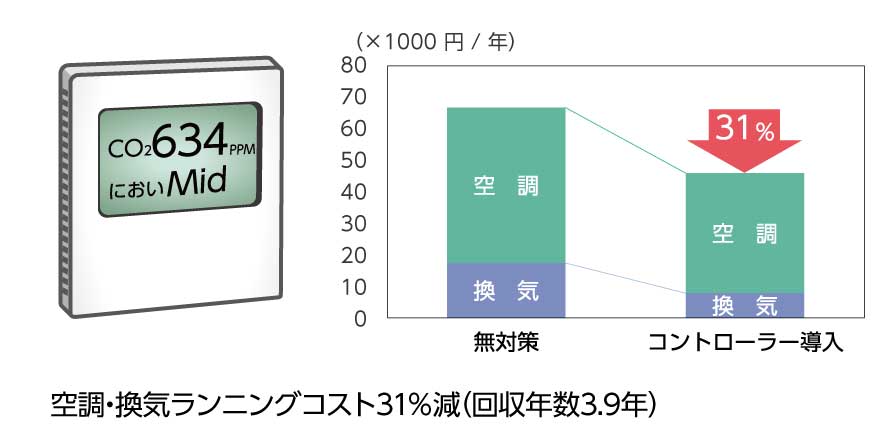
 においを計測し換気量をコントロールすることで、室内環境を向上しながらの省エネが可能。従来のCO2コントローラーににおい感知機能を加えることを検討。(寺島 聡、山本純子)
>画像を拡大する
>寺島 聡
>山本純子

Measuring Relaxation at the Fingertips
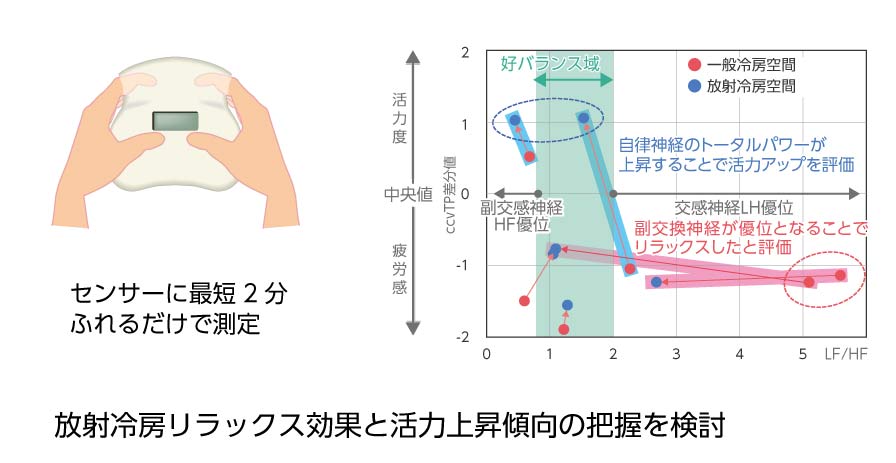
 室内環境変化によるストレスを数値化し、ストレスの小さい環境を構築したい。指先で脈波と心電波を測定し、データ解析することで、自律神経バランスと自律神経機能を評価。実験では一般空調から放射冷暖房の空間に移動した後のリラックスと活力アップの傾向把握を試行している。(田端康宏)
>画像を拡大する
>田端康宏

Fatigue Due to Office Furniture

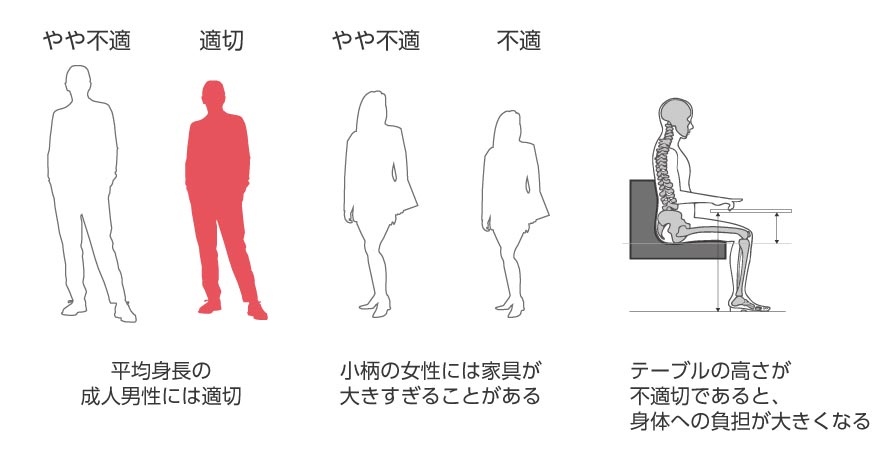
 オフィスの家具は、平均的な身長の成人男性を前提に設計されている。体格の大きさや個人差により、適切な執務姿勢をとることができる家具の大きさや形状は異なる。高さ可変の家具や、使う家具を自由に選べるフリーアドレスの導入が望ましい。(原 耕一朗)
>画像を拡大する
>原 耕一朗

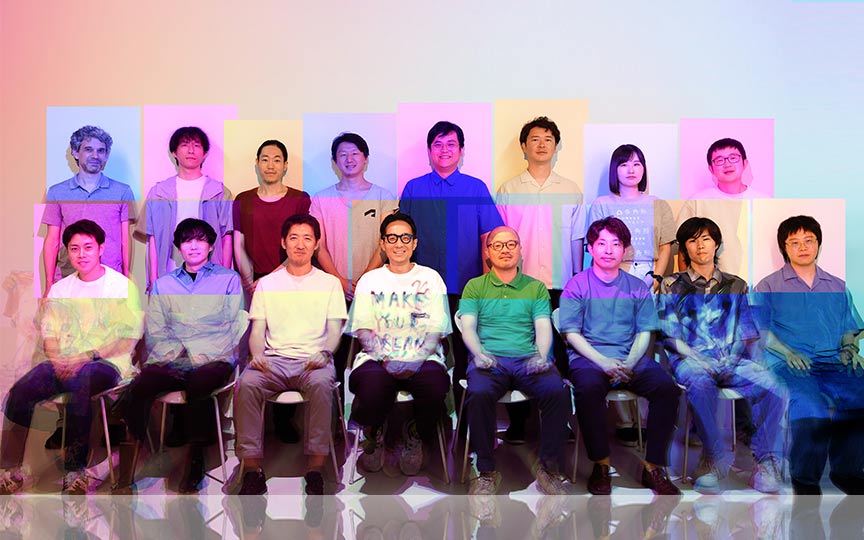
These ideas originated with "ID200", an activity where about our 200 engineers from the Building Services Design Division propose suggestions each year.

This site uses cookies. By continuing to use this website, you consent to the use of cookies.Our policy.